Thrift Store vs Consignment Store
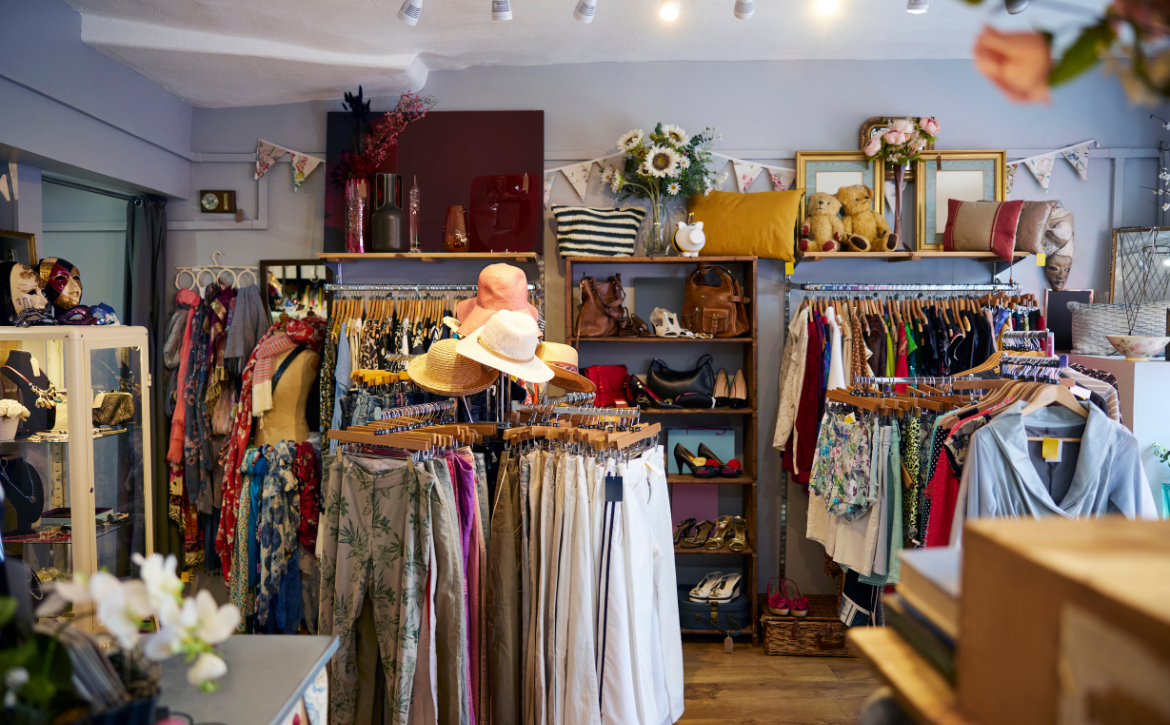
You won’t be surprised to know that we are huge lovers and advocates of thifting here at Thrift Town! Taking in donations, displaying items, and ensuring that they go off to a great new home is at the heart of what we do. However, we know just how easy it is to confuse a thrift store with a consignment store!
In this blog post, we are going to compare thrift vs consignment so that you can get a better sense of both and how they differ. Let’s get straight into it.
Getting to Know Thrift Stores and Consignment Stores
On a very simple level, a consignment store vs a thrift store are similar, but there are key differences. While both stores tend to sell secondhand items, they do so in different ways.
Thrift stores tend to sell an uncurated collection of donated items that tend to be lower in price. They can also be non-profits and support charities with the money generated, although not all thrift stores do.
Consignment stores tend to offer more of a curated collection of items that can often be high-end or designer. As such, their price points tend to be higher. They are also for-profit companies where owners of the items sold bring them in and split the profits with the store.
To help you get a better understanding, we are now going to drill down on the key differences between a thrift store and a consignment store in more detail.
What is a Thrift Store?
A thrift store is a type of retail store that exclusively sells donated, secondhand items. This can be anything from clothing and accessories to books and homewares, with many stores selling a mix of things.
Many thrift stores are run by charitable causes, such as Goodwill. This means that the money generated from the store will go towards supporting their initiatives. Alongside that, thrift stores can often house an eclectic mix of items with a high turnover of stock.
Thrift stores are a great way to help the environment and support sustainable consumption by reducing the amount of waste sent to landfills and giving more unused items a longer lifespan.
How Are Thifted Items Sourced?
Many thrift stores will rely solely on donations for stock. This can be in the form of free donations to the store, hosting clothing drives, or even picking up items that are donated by homes or businesses. Donations will then be sorted by staff so that they are ready to sell.
Some stores may also obtain items from estate sales or flea markets to find unique and one-of-a-kind items for their stores. This can often be the case in specialist vintage thrift stores.
What Price Points Are Chosen?
Price points are generally low for the secondhand items sold in thrift stores, although some specialist stores may be different. In many cases, there may be a flat-rate pricing for all items of a set type, such as coats or books. However, prices can vary.
Employees will often conduct research to ensure that they are pricing items correctly, such as comparing to sites like eBay. At the same time, the brand and condition of the item will also be considered, which may fetch a higher price point.
In some stores, automated tools are used to make recommendations on fair price points, too.
How Are They Sold?
Many thrift stores will sell their items in-store only, although some specialist stores may also sell online via their website or a marketplace, like eBay. Because thrift stores rely on donations, they can have a fast-moving inventory. Items will often come in quickly and be sold quickly, meaning there is always a fresh turnover of items or hidden gems for shoppers to find.
What is a Consignment Store?
A consignment store is a for-profit retail store that also sells secondhand items, predominantly clothing and accessories, along with homeware, furniture, and books too. However, these items are not donated for free. Instead, the consignment store sells the products on behalf of the item owner. This means that the store is acting as the middleman!
When an item is sold, the store will then take a cut of the sale once the item has sold. Commission rates can be around the 40%-60% mark. The items do not belong to the store, they still remain under the original ownership.
When comparing thrift vs consignment, it’s important to acknowledge that consignment stores tend to stock a curation of specific items. For example, some stores may only sell high-quality design brands or vintage items. They may sell only clothing and shoes, or include a mix of lifestyle items. Either way, the stock is highly curated.
How Are Consignment Items Sourced?
The products sold in consignment stores are brought in by individual sellers who wish to display their items in the store. A seller would visit the store and have their items assessed. This ensures that they suit the store’s market and meet their quality and condition standards. Sometimes, the brand will be factored in.
The store and the seller will come to an agreement on the profit split between them, along with the consignment duration and the agreed-upon price, often signing a contract to the effect. A huge benefit of this is that owners can sell their items without the hassle of actually marketing and selling them, and buyers are able to grab great finds at a more affordable price point than buying brand new.
What Price Points Are They At?
In terms of the price points themselves, they will often be higher than what you would find in a typical thrift store. This is because the items are likely to be more high-end or meet a certain quality standard.
Items will always be priced to sell, meaning they will be discounted based on the retail price and the condition of the item. Some stores may then adjust the price if it does not sell within 30, 60, or 90 days, for example.
How Are They Sold?
Many consignment items will be showcased for sale and also listed online or even on social media. They will be curated and displayed well in-store to attract shoppers and encourage a sale. If items do not sell, they may be returned to the original owner or even donated, depending upon the agreement made.
Thrifting with Thrift Town Stores Today!
When it comes to understanding the difference between thrift vs consignment, it’s all in how the items are sold and what items are sold in general. At Thrift Town, we love to share a range of great thrifted and donated finds with you all. So come on down to one of our stores today and find your next thrifted item!