

How to Wash Jeans
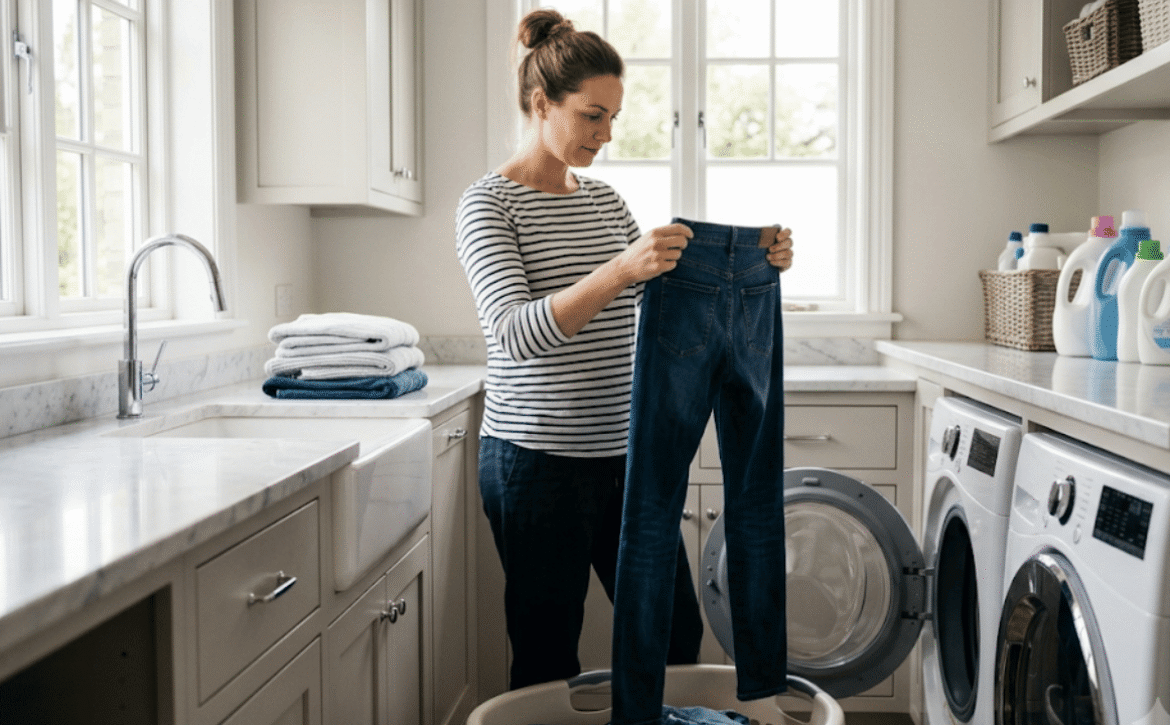
As you probably already know, a high-quality pair of jeans can last for years, but keeping them around that long requires you to treat them well.
The majority of the wear and tear that jeans experience doesn’t actually come from being worn. Instead, the damage results from the washing and drying that comes after. High heat can shrink cotton, while hot water temperatures can fade the color. Even high spin speeds can damage the fabric by causing stress around the seams.
Because of this, it’s a good idea to learn how to wash jeans properly. You’re probably going to own several pairs throughout your lifetime, so learning the basics could save you a lot of heartache and money.
How frequently should you wash jeans?
Strangely, the answer is usually less than you would think. Denim is a sturdy fabric, but if you wash it too often, the cumulative effect of loosening fibers and removing dye will add up. Eventually, jeans will look washed out and slack if you wash them every week.
Because of this, many clothing shops and laundromats only recommend washing jeans when they need it, such as when they have visible stains or they smell bad. Usually, they’re fine for five to ten everyday wears, especially if you’re not exercising or sweating a lot in them.
Interestingly, you can keep your jeans fresh between washes by hanging them outside in the fresh air instead of leaving them piled up. You can also spot clean them with a damp cloth and some mild soap if you want to avoid a full wash.
Prepping your jeans before washing
Prepping your jeans before washing makes a lot of sense and prevents them from wearing out so quickly.
- Empty your jean pockets. If you leave a ballpoint pen in there by accident, all of the ink can spill out during the wash and damage not only your jeans but also other clothes.
- Make sure you zip up the zipper and fasten the button to prevent it from catching on the rest of your laundry.
- Turn your jeans inside out. This step protects the outer surface, which contains most of the dye.
- Sort your jeans by color. If you wear dark denim, then wash it by itself for the first few washes, as the dye can run out and damage the rest of your clothes.
Choose the correct water temperature
When washing jeans, it’s critical to choose the right water temperature. If it’s too hot, you’ll damage the material, but if it’s too cold, it may not shift heavy dirt or oil.
Generally speaking, it makes sense to put jeans in a cold wash. Not only does it use less energy than a hot wash, but it can also reduce the risk of shrinking and is gentle on stretch fibers that are now part of most denim clothing.
Usually, your jeans will come with a care label. Follow the instructions on this label to take care of each particular pair.
The best washing machine settings for jeans
When it comes to washing jeans, the cycle you choose matters as much as the temperature. Washing machines can sometimes be a bit rough with clothing, so choose carefully.
Choose a gentle or delicate wash if you have the option. For the spin speed, pick a low or medium spin, since fast spins can twist the legs too much and put a strain on the seams. Don’t overfill the washing machine. Make sure your jeans have plenty of room to move around during the cycle.
For selvedge or raw denim, you need to be even more careful. Hand washing is often the best option in this case. All you need to do is fill a tub or the sink in your bathroom with some cool water, add some mild detergent, and allow the jeans to soak for 30 to 45 minutes. Afterwards, rinse them in clean, cold water and press the water out gently before drying.
Choose the right type of detergent
Always use mild liquid detergents for jeans, and don’t use a high quantity. If you add too much soap to the wash, it can leave a residue that stiffens the fabric jeans are made of and dulls their color slightly.
Liquid is preferable to powder because it dissolves better in cold water and doesn’t leave white streaks that some solid detergents can.
If you like dark or black jeans, get detergents made specifically for these colors. Avoid detergents that contain any forms of bleach or whiteners, especially those branded as “whiter than white.”
Lastly, stay away from fabric softener. It can damage jeans that contain stretchy elastane and leave them saggy. If you want your jeans to feel softer when you put them on after a wash, you can add a cup of white vinegar to the rinse cycle.
How to dry jeans without any shrinking or fading
Drying jeans without shrinking or fading is notoriously challenging. The best way to do it is with air drying.
- Shake the jeans out when the wash finishes to loosen the wrinkles.
- Lay them flat on a drying rack or hang them by the waistband from a line.
- Don’t drape them over anything.
- Keep them out of direct sunlight due to the risk of UV damage.
- Leave them alone until they’re dry.
Caring for secondhand vintage jeans
If you’re like a lot of people, you know that denim is great value for money and often available at thrift stores. It can be the perfect way to deck out your new wardrobe, and many pairs of jeans already come broken in. When a pair no longer fits, you can also give it a second life as a donation.
That said, vintage clothes in general require a bit of extra care. Older denim tends to be thinner, so most experts recommend hand washing or putting it on a very gentle cycle. Again, only wash it when you need to, and follow the instructions on the tag if there are any. If you’re not sure how old a pair is, our guide on how to read vintage Levi’s tags by year can help.
How to keep your jeans looking good for longer
Ultimately, keeping your jeans looking good for longer requires adopting a few sensible habits:
- Turn them inside out when you wash them and avoid using too much harsh soap.
- Choose gentle cycles and cooler temperatures, always remembering to let them air dry.