
How Many Times Should You Wash Thrifted Clothes?
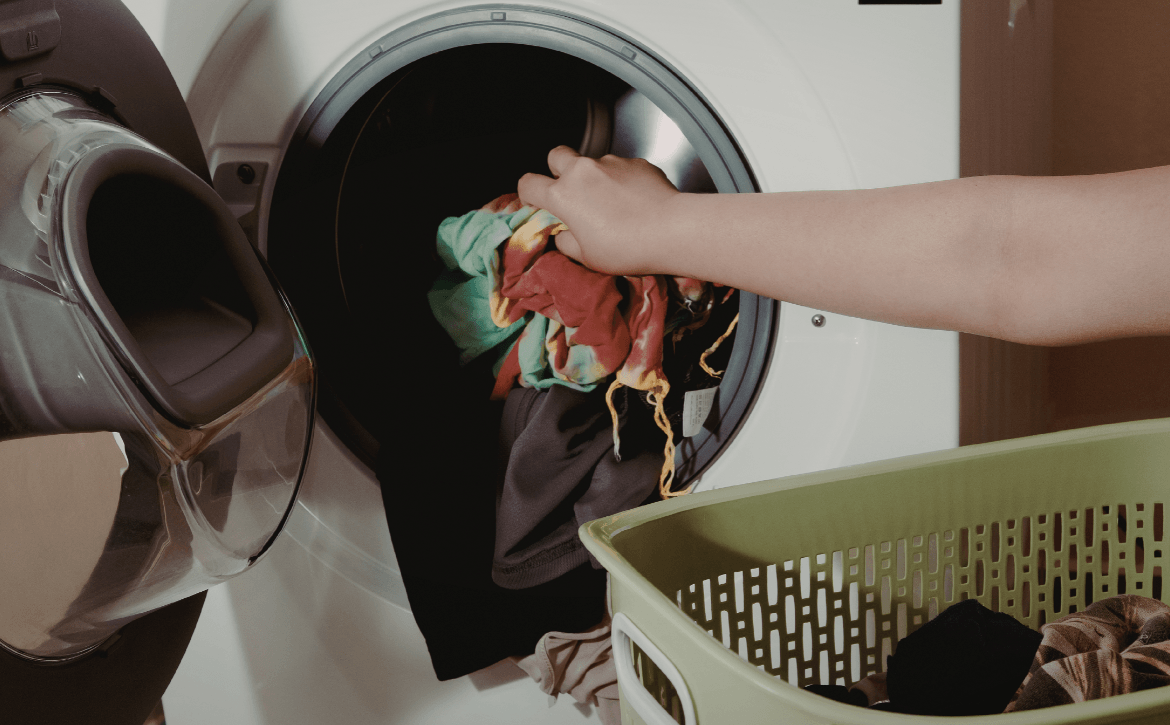
Thrifted clothes come with stories. That’s the charm. A denim jacket that looks like it has already survived three road trips. A silk blouse that somehow feels more interesting than anything on a mall rack. A sweater with the exact kind of slouch you can never find when you’re actually looking for it.
But before that thrifted piece becomes part of your closet, it needs one very important thing.
A proper wash.
Not a quick “it looks clean enough” sniff test. Not a five-minute tumble in the dryer. Not a hopeful spray of fabric refresher and a prayer.
A real clean.
So, how many times should you wash thrifted clothes?
The honest answer is: usually once is enough, if you wash them properly. But some items need a second wash, and a few need a more careful approach before they ever touch your skin.
Let’s break it down in a way that actually makes sense.
The First Wash Matters More Than the Number
Most thrifted clothes do not need to be washed three, four, or five times. That can damage the fabric, fade the color, stretch the shape, or make a good secondhand find look tired before you even wear it.
The goal is not to punish the clothing. The goal is to clean it well.
A single thorough wash can remove everyday dirt, body oils, dust, deodorant residue, perfumes, storage smells, and whatever else the item picked up before it landed in your cart.
The keyword here is thorough.
That means sorting it properly, checking the care label, using the right water temperature, choosing the right detergent, and drying it completely. A rushed wash is what makes people feel like they need to wash thrifted clothing again and again.
Do it right the first time, and most items are ready to wear.
Start With the Care Label, Even If You’re Excited
You found the perfect thrifted dress. It fits. It has personality. You want to wear it tomorrow.
Still, pause.
Check the care label first.
Thrifted clothes have already lived a little, which means the fabric may be more delicate than it looks. Cotton T-shirts, jeans, workout tops, and most casual basics can usually handle a normal wash. But wool, silk, rayon, linen blends, leather, suede, beaded items, vintage pieces, and structured jackets may need special care.
The care label tells you what the fabric can tolerate. Warm water may be fine for one shirt and terrible for another. A dryer may freshen up one pair of jeans and ruin another item completely.
When there is no label, treat the piece gently. Use cold water, a mild detergent, and air drying. It is better to be careful than to shrink your new favorite find into doll clothing.
One Wash Is Enough for Most Everyday Thrift Finds
For most thrifted everyday clothing, one proper wash is enough.
This includes:
T-shirts, jeans, casual pants, cotton dresses, hoodies, sweatshirts, pajamas, washable skirts, blouses, and most children’s clothing.
Wash these items before wearing them, even if they look spotless. Clothes can carry invisible residue from storage, handling, transportation, changing rooms, and previous use. You do not need to panic about it, but you also do not need to put it straight on your body.
A good basic method is simple: wash similar colors together, use detergent, choose the warmest water the fabric can safely handle, and dry the item fully.
If the item comes out smelling clean and looking fresh, you are done.
Really. Done.
No need to overwash.
When a Second Wash Is the Smarter Move
Sometimes one wash does not quite do the job. You pull the item from the machine, and something still feels off.
Maybe it smells musty. Maybe it has a strong perfume scent. Maybe it came from a storage bin and has that closed-up, stale odor. Maybe it is a workout top, swimsuit, undershirt, or something that sits close to the skin.
That is when a second wash makes sense.
A second wash is also wise if the first wash water seemed especially dirty, the item had visible stains, or the clothing still feels stiff or coated after drying.
But do not just repeat the same wash and hope for magic. Change your method.
For lingering smells, soak the item before washing again. For washable fabrics, a soak in cool water with a mild detergent can help loosen old residue. Some people like adding white vinegar to the rinse cycle to help with odors, but you should avoid using vinegar on delicate fabrics without testing first. It can be helpful, but it is not a miracle for every material.
If the item smells fresh after the second wash, you are good.
If it still smells deeply musty, smoky, sour, or chemical, the problem may be inside the fibers. At that point, you need a longer airing-out period, a specialty cleaner, or professional cleaning.
The Thrift Store Smell Is Not Always Dirt
Let’s talk about the smell.
You know the one.
That thrift store scent is often a mix of many things: fabric softener, detergent, dust, cardboard, plastic bags, storage rooms, perfumes, and different homes all blended together. It does not always mean the clothing is dirty. It means the clothing has been around other clothing.
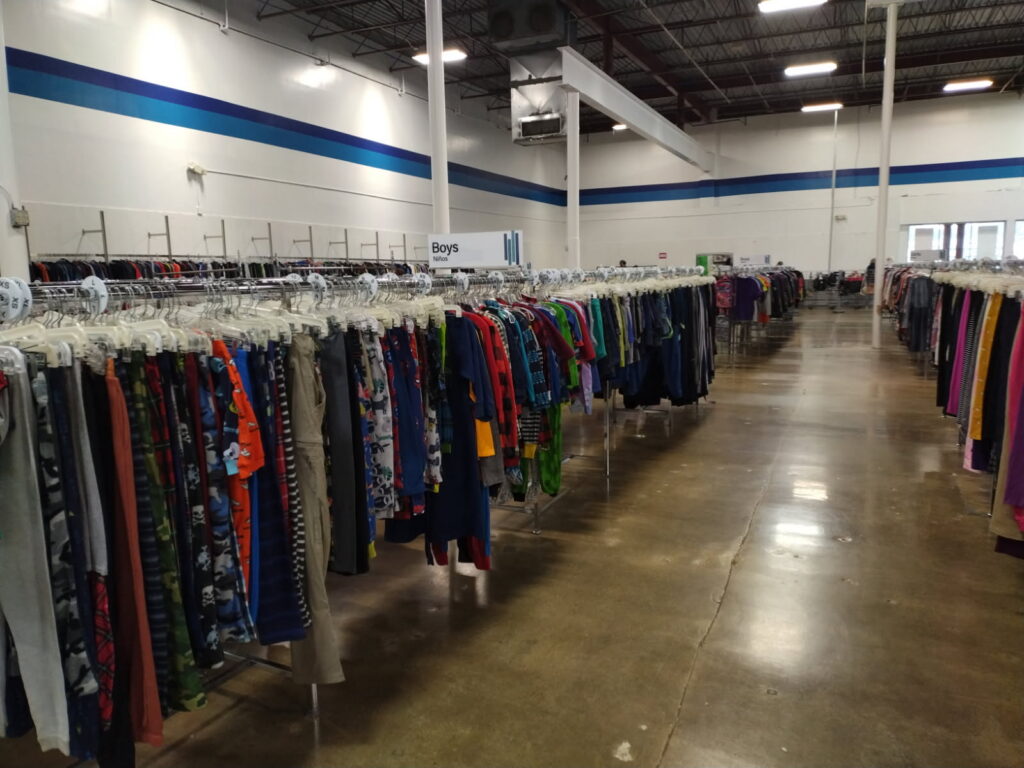
Still, you want your clothes to smell like you, not like a mystery closet.
For washable items, one proper wash usually removes the smell. For stubborn odors, air the item outside in a shaded area before washing. Fresh air can do more than people think, especially for coats, sweaters, and heavier fabrics.
Avoid spraying fragrance over the smell. That usually creates a new smell, not a cleaner garment. A floral-musty mix is not the goal.
Clean first. Fresh second.
What About Delicate, Vintage, or “Do Not Wash” Items?
This is where you need to slow down.
Not every thrifted item belongs in the washing machine. Some pieces need hand washing. Some need steaming. Some need dry cleaning. Some need nothing more than careful spot cleaning and airing out.
Vintage clothing can be especially tricky because older fabrics, seams, buttons, linings, and dyes may not react well to modern washing machines. Even if the item looks strong, age can make fabric fragile.
For delicate pieces, hand-wash in cool water with a gentle detergent, then rinse carefully and lay flat to dry.
Do not twist or wring the fabric. That can stretch or damage it.
For structured blazers, wool coats, formal dresses, leather, suede, and heavily embellished pieces, dry cleaning is usually the safest option. Yes, it costs extra. But if the item is special, the cleaning is part of the investment.
You thrifted it because it was worth finding. It is worth treating properly.
Don’t Forget the Items That Touch Skin Closely
Some thrifted pieces need extra attention because of where they sit on your body.
Think underwear, swimsuits, leggings, sports bras, socks, sleepwear, and tight workout clothing.
Many people prefer not to buy certain intimate items secondhand, and that is understandable. But if you do thrift something like a swimsuit or activewear, wash it carefully and thoroughly before wearing it. Use the warmest water the care label allows, and make sure it dries completely.
For activewear, avoid too much fabric softener. It can cling to performance fabrics and trap odor instead of helping. A good detergent and proper drying matter more.
Also, inspect elastic closely. Thrifted activewear and swimwear may look fine on the hanger, but stretched-out elastic can turn a bargain into a regret.
Heat Helps, But Only When the Fabric Can Handle It
Hot water and high dryer heat can help clean sturdy fabrics, but they are not safe for everything.
Cotton towels, some cotton basics, and sturdy jeans may tolerate warmer washing. Delicates, dark colors, wool, silk, rayon, and many blends may shrink, bleed, weaken, or lose shape if exposed to too much heat.
So the rule is not “wash everything hot.”
The better rule is: use the warmest safe option for the fabric.
Drying matters too. Clothes that stay damp too long can develop a mildew smell, which means you may have to wash them again. Whether you use a dryer or air drying, make sure the garment is fully dry before it goes into your closet.
A half-damp thrifted sweater folded into a drawer is basically an invitation for trouble.
Stains Need Treatment Before the Wash
Washing thrifted clothes without treating stains first can set the stain deeper, especially if you use heat.
Before you wash, look at the item in good lighting. Check collars, cuffs, underarms, hems, pockets, waistbands, and the front of shirts. These are the places stains like to hide.
For washable clothing, apply a stain remover or a small amount of detergent directly to the stain. Let it sit for a little while before washing. Do not scrub aggressively, especially on delicate fabric. Gentle pressure is usually better.
After washing, check the stain before drying. If the stain remains, treat it again and rewash. Heat from the dryer can make some stains harder to remove permanently.
This is one of those small laundry habits that saves good clothes.
Shoes, Bags, and Accessories Have Their Own Rules
Thrifted clothing is one thing. Thrifted accessories are another.
Shoes, handbags, belts, hats, scarves, and costume jewelry need different cleaning methods.
Washable canvas sneakers can often be cleaned with mild soap, water, and a brush. Leather shoes need leather cleaner or conditioner. Suede needs special care and should not be soaked. Hats can lose shape if washed too roughly. Bags may have linings that hold crumbs, dust, or old scents.
For accessories, focus on surface cleaning, deodorizing, and drying. Wipe down hard surfaces. Vacuum inside bags. Air items out. Use the right cleaner for the material.
And again, do not trap anything damp in a closet.
Dry is your friend.
A Simple Thrifted Clothing Cleaning Routine
Here is a practical routine you can use after a good thrift trip.
First, keep thrifted clothes separate from your regular laundry until they are cleaned. You do not need to be dramatic about it. Just place them in their own bag or basket.
Next, inspect each item. Look for stains, damage, missing buttons, loose seams, and care labels.
Then sort by color and fabric type. Do not throw a red vintage blouse in with white shirts and hope everyone behaves.
Treat stains before washing.
Wash according to the label. Use detergent. Avoid overloading the machine, because clothes need room to move to get clean.
Dry completely.
Finally, smell and inspect the item again. If it smells fresh and looks clean, wear it. If not, wash it one more time using a more targeted method.
That is it. No complicated ritual required.
So, How Many Times Should You Wash Thrifted Clothes?
For most thrifted clothes, wash them once before wearing.
Wash them twice if they still smell, feel coated, have been heavily stored, sit close to the skin, or did not come clean the first time.
Use professional cleaning for delicate, structured, vintage, or high-value items that cannot be safely washed at home.
The bigger truth is this: thrifted clothes do not need fear. They need care.
When you clean them properly, you get all the fun of secondhand style without the guesswork. You get the better price, the more interesting closet, the little thrill of finding something nobody else has.
And once it is washed, dried, and ready?
It is not just thrifted anymore.
It is yours.