
How Much Do Thrift Stores Pay for Clothes
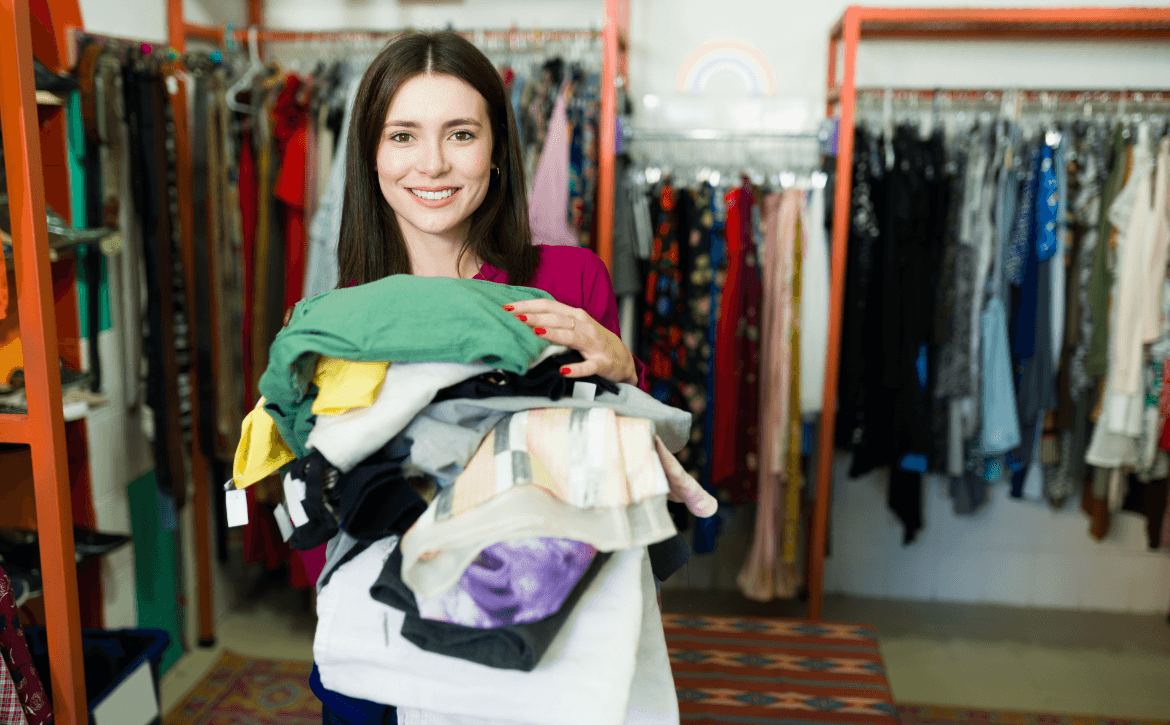
Most people have at least a few items sitting in their wardrobes that rarely get worn. Whether it is a jacket that no longer fits, a pair of jeans that have fallen out of rotation, or a dress purchased for a special occasion, unwanted clothing often takes up valuable space.
Selling those items to a thrift store can be a convenient way to declutter while earning a little extra money. One of the most common questions sellers ask is how much thrift stores pay for clothes.
The answer varies depending on several factors, including brand, condition, demand, seasonality, and resale potential. Unlike traditional retailers, thrift stores must carefully evaluate each item to determine whether it is likely to sell and what price customers may be willing to pay.
Understanding how stores assess second-hand clothing can help you set realistic expectations before bringing items in for evaluation. It can also help you identify which pieces are most likely to earn stronger offers.
How Thrift Stores Decide What to Pay
There is no standard payout that applies across every thrift store. Each retailer has its own buying policies, customer base, and inventory needs.
When staff assesses clothing, they are usually trying to answer a simple question. How likely is this item to sell? If the answer is very likely, the store may be prepared to offer more. If demand appears uncertain, the offer will often be lower.
Most thrift stores buy clothing at a percentage of the price they expect to sell it for. This is what allows them to cover operating costs and also account for the fact that not every item purchased will ultimately find a buyer. Some things may not sell, and some things may not make it to the rack.
Depending on the retailer, sellers may receive cash, store credit, or a combination of both. Some stores offer a higher value when customers choose store credit because it is something that massively encourages future purchases while helping the business maintain inventory turnover.
A typical offer may represent anywhere from twenty to fifty per cent of the anticipated resale value, although the exact amount varies from one store to another.
Brand Value Has a Significant Influence
Brand recognition is one of the strongest factors affecting how much a thrift store is willing to pay for clothing. Certain labels consistently attract customer interest and therefore carry less resale risk.
Designer brands, premium fashion names, and popular high street labels often receive better offers than clothing from unknown manufacturers. For example, a well-looked-after jacket that is from a recognized brand may get a larger payout than a similar item from an unknown brand.
This does not mean only luxury labels have value. Many everyday brands maintain strong demand because shoppers trust their quality, fit, or durability. Stores often track which brands sell quickly and use that information when making buying decisions.
Fashion trends also influence resale demand. A brand that feels current may receive stronger offers than one that has fallen out of favor with shoppers.
Condition Matters More Than Many Sellers Realize
Even highly desirable brands can lose value if the condition is poor. Most thrift stores want clothing that is ready for the sales floor with minimal preparation.
Staff typically inspect garments for stains, tears, missing buttons, broken zips, loose stitching, excessive fading, pilling, and strong odors. Any of these issues can reduce the resale appeal of an item.
Clothing in excellent condition generally receives stronger offers because it presents well to customers and requires less work before being displayed for sale.
Presentation matters too. Freshly washed, neatly folded garments often create a better impression during the assessment process than items that appear neglected or poorly stored.
Before visiting a thrift store, it is worth taking a few minutes to inspect each piece. Replacing a missing button or removing a small mark may improve the chances of acceptance.
Demand Often Matters More Than Age
Many people assume that newer clothing automatically has greater resale value than older clothing. In reality, demand often matters more than age.
Fashion trends change constantly. An item purchased several years ago may still attract significant interest if it aligns with current styles, while a newer garment may struggle if demand has faded.
A five-year-old denim jacket that matches current fashion preferences may be worth more to a thrift store than a recently purchased item that reflects an unpopular trend.
Stores pay close attention to customer buying habits. Their goal is not simply to acquire clothing. They want inventory that is likely to sell quickly and consistently.
Seasonality Can Affect Payouts
Seasonality plays a major role in second-hand clothing resale. During autumn and winter, stores often focus on coats, knitwear, jackets, boots, and other cold-weather items.
As temperatures rise, attention typically shifts towards dresses, shorts, sandals, lightweight shirts, and holiday clothing.
Bringing winter coats into a store during October may result in a stronger offer than bringing the same items in during the middle of summer.
Timing does not guarantee a higher payout, but presenting seasonal items when stores actively need them can improve acceptance rates.
How Do Thrift Stores Price Their Items?
Another common question is how thrift stores price their items. Setting resale prices requires balancing affordability with profitability.
The original retail price often provides a useful reference point. A coat that originally sold for one hundred pounds will usually be viewed differently from one that retailed for twenty pounds.
However, retail price alone does not determine resale value. Brand reputation, condition, local demand, and inventory levels all influence the final price displayed on the sales floor.
Items that look like they are nearly new often justify higher prices than garments that are showing visible wear. Stores also consider how many similar products they already have in stock.
Experienced thrift store managers use past sales data and local shopping habits to determine prices that balance customer expectations with business needs.
The Difference Between Buy-Outright and Consignment Stores
Not every second-hand retailer follows the same business model. Some thrift stores buy clothing outright, while others operate on a consignment basis.
When a store buys clothing outright, sellers receive payment immediately if their items are accepted. Ownership transfers to the retailer, which then keeps any future profit from the sale.
This model appeals to people who value speed and convenience. There is no need to wait for the item to sell before receiving payment.
Consignment stores operate differently. Instead of paying upfront, they display items on behalf of the owner and share a percentage of the final sale price if the item sells.
Consignment can sometimes produce high returns, particularly for premium brands and designer clothing. The trade-off is uncertainty because payment depends on finding a buyer.
Why Some Clothes Are Rejected
Many sellers feel disappointed when certain items are declined. In most cases, rejection has little to do with the seller and more to do with inventory needs or customer demand.
A thrift store may reject clothing because similar items are already overstocked, the style no longer appeals to local shoppers, or the item is out of season.
Condition is another common reason for rejection. Stains, odors, damage, and excessive wear can make an item difficult to resell.
Different stores have different priorities. An item rejected by one retailer may be accepted elsewhere, particularly if another store serves a different customer demographic.
For that reason, it can be worthwhile seeking a second opinion if you believe your clothing still has resale potential.
What Sellers Can Do to Maximize Payouts
Although no seller can control the level of market demand, there are several practical ways to improve potential offers.
Start by bringing clothing that is freshly washed, neatly folded, and free from obvious defects. Presentation can influence how staff perceive an item’s resale potential.
Focus on quality rather than quantity. A smaller selection of desirable items with usually perform better than a large collection of low-value garments. You may find that it’s better to bundle low value items together.
Selling seasonally can also help. Bringing winter clothing before colder weather arrives and summer clothing before warmer months begin may increase acceptance rates.
Checking garments for missing buttons, loose stitching, or minor marks before visiting the store can further improve your chances of receiving a favorable assessment.
Understanding the Economics Behind Resale Pricing
Many sellers wonder why thrift stores do not offer a larger percentage of the eventual selling price. The answer lies in the costs associated with operating a retail business.
After purchasing clothing, stores must cover expenses such as staff wages, rent, utilities, inventory management, cleaning, pricing, marketing, and payment processing.
Not every item purchased will sell. Some garments remain on the rack for weeks or months before being discounted. Others may never sell at all.
Because stores absorb this risk, payouts represent only a portion of the expected resale value. Without this pricing structure, many retailers would struggle to remain profitable while continuing to purchase inventory from sellers.
Why Thrift Stores Remain Popular
The popularity of second-hand shopping continues to grow because it offers benefits for both buyers and sellers. For sellers, thrift stores provide a straightforward way to convert unused clothing into immediate value.
There is no need to create online listings, answer messages, negotiate with buyers, or arrange collections. The process is usually much quicker and simpler.
For shoppers, thrift stores offer access to affordable clothing, unique finds, and recognized brands at lower prices than traditional retail stores.
The arrangement helps extend the life of clothing while creating opportunities for people to buy and sell quality items within their local communities.
Final Thoughts
Understanding how much thrift stores pay for clothes helps set realistic expectations before entering the resale process. Brand value, condition, demand, seasonality, and resale potential all influence what a store is willing to offer.
The strongest payouts usually go to clothing that is clean, well-maintained, fashionable, and likely to sell quickly. Stores are constantly balancing customer demand with business costs when evaluating inventory.
Knowing how thrift stores price their items can also help sellers understand why offers vary between retailers. Every store has different customers, different inventory needs, and different pricing strategies.
By focusing on quality items, presenting them well, and understanding what stores look for, seller can improve their chances of receiving the best possible offer while giving unwanted clothing a second life.