Thrift Town

  • Home
  • Locations
  • Contact
    • About Us
  • Donations
  • Join Our Family
  • Blog

Thrift Town

  • Home
  • Locations
  • Contact
    • About Us
  • Donations
  • Join Our Family
  • Blog
  • Home
  • Locations
  • Contact
    • About Us
  • Donations
  • Join Our Family
  • Blog

Thrift Town

Thrift Town

  • Home
  • Locations
  • Contact
    • About Us
  • Donations
  • Join Our Family
  • Blog
Author: Arturo
Home Articles Posted by Arturo
Most Popular Vintage Clothing Brands
Uncategorized
August 6, 2026

Most Popular Vintage Clothing Brands

You know that feeling. You’re sliding hangers across a packed rack at your local thrift store, the metal-on-metal clicking, when suddenly your fingers hit something different. The fabric is thicker. It has that perfectly broken-in weight. You pull it out, flip over the collar, and there it is: a faded, beautifully designed retro tag.

That spark of discovery is exactly why vintage fashion has completely taken over the world.

For decades, fashion was a one-way street dominated by mass-produced fast fashion. But today, collectors, resellers, and style enthusiasts are looking backward. Wearing vintage can be a great way to save a few bucks and keep textiles out of landfills. It’s about expressing your individuality. It’s about wearing a piece of history that has a story, a soul, and a level of craftsmanship you just can’t find in modern malls.

If you want to transition from a casual browser to a seasoned thrift hunter, you need to know exactly what you’re looking for. Understanding the most popular vintage brands is like having a cheat code, so let’s dive into the legendary vintage brands that collectors obsess over and explore why they still dominate the fashion landscape today.

The Sportswear Giants

Long before athleisure was a buzzword, athletic brands were creating durable, high-quality gear designed to survive tough workouts. Decades later, those same pieces have evolved into the crown jewels of streetwear.

Champion

If you find a vintage Champion piece, you’re probably holding a piece of design history. Founded in 1919, Champion literally invented the hoodie. But what collectors really lose their minds over is their patented Reverse Weave technology, introduced in the 1930s.

To prevent shrinkage, Champion started cutting the fabric on the cross-grain. The result? A heavy, incredibly durable sweatshirt that retains its shape for decades.

Nike

Vintage Nike is arguably the most sought-after sportswear on the secondhand market. Collectors trace Nike’s history through its collar tags.

In the 1970s, you had the iconic Orange Tag. The 1980s brought the Blue Tag, and the 1990s gave us the blocky Grey Tag.

Finding an original 90s windbreaker with a massive swoosh embroidered on the back, or an early graphic tee featuring a caricature of Michael Jordan, is an instant win. The quality of vintage Nike cotton is famously thick, meaning these shirts drape beautifully and last practically forever.

Adidas

For a classic retro European vibe, nothing beats vintage Adidas.

Collectors hunt for pieces sporting the old-school Trefoil logo (the three-leaf shape used before they switched to the modern three bars mountain logo in 1997). Vintage Adidas track jackets, especially those made in the USA or West Germany in the 70s and 80s, are style staples that instantly elevate a simple pair of jeans.

The Denim Legends

Denim was originally created as rugged workwear for miners, farmers, and laborers. That means vintage denim was built to survive literal dirt, sweat, and heavy machinery. So it’s no wonder these pieces are still in fantastic shape today.

Levi’s

Levi’s is the undisputed king of denim. While you can buy a pair of 501s at a department store today, they simply don’t compare to the vintage versions.

Vintage Levi’s denim was made with high-quality, heavy-weight, 100% cotton denim that molds to your body over time. Collectors look for specific details to date their finds:

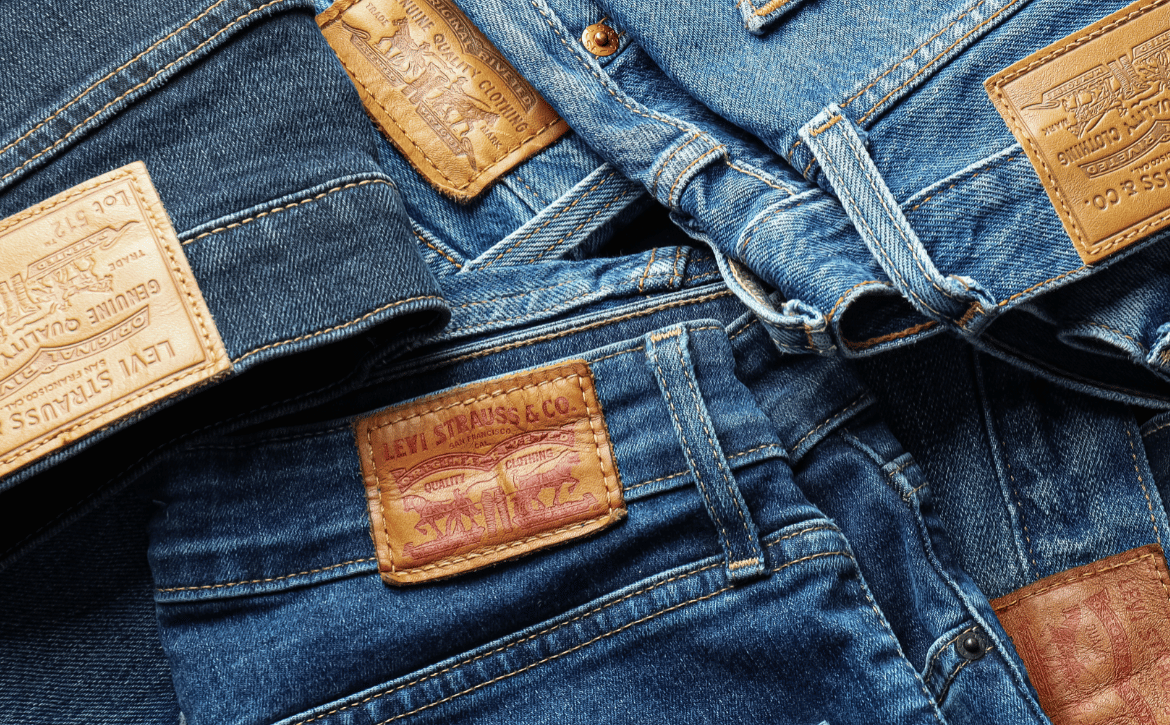
  • The Big E: Look at the red tab on the back pocket. If the E in Levi’s is capitalized, the jeans were made before 1971. These are incredibly rare and valuable.
  • Single-stitch back pockets: Jeans made before the mid-1970s feature a single thread line across the top of the back pockets instead of a double chain stitch.
  • Made in the USA: Levi’s shifted its manufacturing out of the United States in the early 2000s. Any pair with a Made in USA tag is instantly highly collectible.

Wrangler and Lee

While Levi’s gets most of the spotlight, vintage Wrangler and Lee are prized for their unique fits and cowboy heritage.

Vintage Wrangler jeans feature deep, sturdy pockets and a higher waist, while Lee is famous for its Buddy Lee advertising history and super-soft, broken-in feel. Keep an eye out for Lee Rider jackets or Wrangler denim western shirts with pearl snap buttons.

Calvin Klein

If you want to capture the sheer, unfiltered aesthetic of 1990s minimalism, you look for vintage Calvin Klein denim. Ever since Kate Moss and Brooke Shields made these jeans a cultural phenomenon, they’ve been a staple for vintage collectors.

Vintage Calvin Klein is celebrated for its sleek, high-waisted, and straight-leg cuts that defined the grunge-meets-runway era. Collectors specifically hunt for the classic Omega topstitching on the back pockets and the minimalist black-and-white fabric patch on the waistband.

Finding a pair of 90s CK light-wash jeans or a stiff denim trucker jacket is like pulling a time capsule straight out of a vintage MTV music video.

Pop Culture and Workwear Staples

Some of the most popular vintage brands weren’t designed for athletes or cowboys. Instead, they were made for blue-collar workers or sold at concert merchandise booths. Today, they’re absolute grails.

Carhartt

Carhartt has transitioned from construction sites to runway fashion. Vintage Carhartt jackets, especially the active jackets with thermal lining or the classic Detroit Jacket, are incredibly hot right now.

Collectors actively look for jackets with natural wear like fading, grease stains, paint splatters, and frayed cuffs that actually increase the value. It tells a story of hard work, and the heavy duck canvas only gets softer and more comfortable with age.

Dickies

Much like Carhartt, Dickies made the leap from Texas grease monkeys to skate parks and high-fashion runways without missing a beat. Founded in 1922, they’re the architects of the legendary 874 work pants.

Vintage collectors hunt down old-school, USA-made Dickies pants and Eisenhower jackets. The holy grail here is finding the older fabric blends that featured a stiffer, ultra-durable poly-cotton twill. They hold a razor-sharp crease down the front, bag out perfectly over a pair of sneakers, and are virtually indestructible.

If you spot a pair with the classic horseshoesque logo tag tucked under the waistband, grab them immediately!

Harley-Davidson

You don’t need a motorcycle to appreciate a vintage Harley-Davidson tee. In the 80s and 90s, local Harley dealerships had free rein to design their own custom t-shirts. This led to an explosion of stunning, highly detailed, and often wild graphic designs featuring bald eagles, 3D engines, and lightning bolts.

The best vintage Harley shirts have a killer faded wash, cracked graphics, and a distinct, boxy fit.

Vintage Band Tees

Whether it’s a 1983 Iron Maiden tour shirt, a 90s Nirvana tee, or a classic 80s Madonna graphic, vintage band tees are cultural artifacts. They’re highly personal, instantly recognizable, and represent a specific moment in music history.

And because many of these shirts were worn to death, finding one in good condition is rare but a huge find to celebrate.

How to Spot the Real Deal

How do you tell if that cool tee is a true 90s relic or just a modern reproduction made to look old? Use these simple, hands-on tests to verify your finds:

1. Check the stitching

Look closely at the sleeve cuffs and bottom hem. If you see a single row of stitching (single-stitch), the shirt was likely made before the mid-to-late 90s. Modern shirts almost always use a double row of stitching (double-stitch) for speed and cost-saving.

2. Inspect the tag

Look for tags that say “Made in USA.” Many classic vintage tags are made of paper-like material or have bold, retro typography that screams 80s or 90s.

3. Assess the fabric

Trust your touch. Modern fast-fashion t-shirts are thin and often blended with synthetic fibers. True vintage tees are either sturdy 100% cotton or a super-soft 50/50 polyester and cotton blend. The older they are, the more unique the texture.

Strike Gold at Thrift Town

Now that you know what to look for, you don’t need to spend hundreds of dollars on trendy online resell apps. You can find these legendary brands waiting for you on the racks of your local thrift store for a fraction of the price!

At Thrift Town, we’re constantly stocking our shelves with fresh arrivals, making us the ultimate hunting ground for vintage lovers, casual fashionistas, and seasoned resellers alike.

Whether you’re hunting for a pair of vintage Levi’s, a cozy Champion hoodie, or an iconic graphic tee, the next great find is waiting for you.

Ready to score amazing deals?

We have five incredible, easy-to-shop locations stocked with stylish, affordable clothes for every member of your family:

  • Austin, TX: 5700 Manchaca Rd, Suite 240
  • Dallas, TX: 1516 Westmoreland R
  • San Antonio, TX: 2864 Thousand Oaks
  • Richardson, TX: 1455 W Buckingham Rd
  • Albuquerque, NM: 3900 Menaul Blvd NE

Want to save even more? Sign up to become a Thrift Town VIP Member! It’s incredibly simple: spend $1, earn 1 point, and redeem your points for exclusive discounts and rewards.

Got some gently used items you no longer need? Bring them by! Your generous donations help stock our shelves and directly support our mission to serve the local community.

Stop by Thrift Town today. Come thrift more, save more, and smile more!
Read More
By Arturo
How to Read Vintage Levis Tags by Year
Uncategorized
August 4, 2026

How to Read Vintage Levi’s Tags by Year

Vintage Levi’s have a way of catching your eye. Maybe it’s the worn denim. Maybe it’s the red tab. Maybe it’s the feeling that the jeans already had a life before they ever landed on the thrift rack, but if you want to know whether a pair is truly vintage, the tag is where the real story begins.

Learning how to read vintage Levi’s tags by year can help you identify production eras, spot valuable details, and avoid confusing older-looking jeans with actual vintage pieces. Levi’s has changed its tabs, care labels, waistband patches, and date codes over time, and those changes are exactly what make dating them possible.

The good news is that you do not need to be a denim expert to figure it out; you just need to know what to look for:

Why Levi’s Tags Matter

Levi’s has been around for a long time, and that means its labeling has gone through many changes. Those changes are useful because they give you clues about when a pair was made. A red tab, a care label, a patch, or a printed code can all help narrow down the era.

That matters for a few reasons.

  • If you are thrifting, it helps you decide whether a pair is worth picking up. 
  • If you are reselling, it helps you describe the item accurately and price it with more confidence. 
  • If you are collecting, it helps you separate real vintage from later reproductions or modern jeans made to look old.

While the tag is not the whole story, it is one of the best starting points.

The Red Tab

One of the easiest things to check is the red tab on the back pocket.

The most important detail is whether it says Big E or small e. Big E Levi’s tabs spell LEVI’S with a capital E, while small e tabs use a lowercase e. That tiny difference matters a lot.

Big E tabs are generally associated with jeans made before 1971. Small e tabs were introduced in 1971 and are still used on later pairs.

That means a Big E tab is usually a strong sign of earlier vintage, while a small e tab simply tells you the jeans are from 1971 or later. It does not give you the exact year, but it helps place the jeans in the right time frame.

If you are holding a pair with a Big E tab, that is usually a good sign.

Orange Tab Levi’s

Orange tab Levi’s deserve their own section because people often overlook them.

Levi’s introduced the orange tab line in the late 1960s as a more fashion-driven range. These jeans often had trendier cuts and styling than standard red tab Levi’s. They became especially associated with the 1970s and 1980s.

That makes orange tab jeans a fun find for thrifters, but not every orange tab pair is from the same year or even the same decade. The line lasted a long time, so you still need to check the inside tags and construction details before making a call.

If you find an orange tab pair in good condition, it is worth checking carefully.

Care Labels and Eras

Inside care labels are some of the most helpful tools for dating Levi’s more precisely.

Older pairs may not have care tags at all. That can be a clue that the jeans are from an earlier era, especially if the rest of the construction also looks old. By the 1970s, paper-style care labels became more common. Later on, Levi’s moved toward more standardized labels and cleaner printed care information.

By the 1990s and 2000s, the tags usually look much more modern. They may include clearer text, country-of-origin details, and date codes that are easier to read at a glance.

A simple rule helps here: the plainer and rougher the tag looks, the more likely it is to be older. The more polished and standardized the label, the more likely it is to be later vintage or modern production.

That does not mean every clean tag is fake. It just means you need to match it with the rest of the jeans before deciding what you have.

How Date Codes Work

If you want to go beyond a general era and get closer to the actual production year, look for the date code.

Many Levi’s care tags include a small number sequence that tells you when the garment was made. The format has changed over time, which is why this part can look confusing at first, but once you understand the system, it becomes much easier to read.

Older tags may use shorter codes. Some require you to read them in context rather than as a simple month and year. Later vintage tags, especially from the 1990s, often use 4-digit codes. In many cases, those can be read as the month and year. For example, a code like 0496 is commonly read as April 1996.

More modern tags may use week-and-year formats instead. So a code like 4017 could mean the 40th week of 2017.

The key is not to guess blindly; the code only makes sense when it fits the tag style around it.

Waistband Patches

The waistband patch is another useful dating clue.

Levi’s patches have changed in material, print, and overall look over time. Older pairs may have leather-style patches. Later ones may use paper-like or synthetic materials. The wording and logo style also changed over the years.

This is where condition matters. An old patch should usually look old in a believable way. The wear should match the rest of the jeans. If the denim is heavily faded but the patch looks strangely crisp and modern, that can be a red flag.

Patches are especially useful when you compare them to the tab and care tag. If all three clues point to the same era, you are on much stronger ground.

Selvedge Details

Selvedge denim is another clue people love to talk about.

On many older Levi’s, especially earlier 501s, you may see a finished edge with a colored seam when you cuff the jeans. That is often associated with older, higher-quality denim construction, but selvedge is not a magic answer.

Modern Levi’s has also released selvedge styles, and some reproductions use selvedge details too. So while selvedge can be a great sign, it should never be your only sign.

The best way to use selvedge is as part of the bigger picture. If the jeans have a Big E tab, an older care tag, and selvedge construction, the odds are much better that you are looking at an authentic vintage pair.

Buttons and Stitching

If you really want to get better at spotting vintage Levi’s, pay attention to the hardware.

The top button, rivets, and stitching can all support the date story told by the tags. Button stamps may include factory numbers or other markings. Rivets may have older styles or finishes. Stitching can vary in color and placement depending on the era.

These details are especially helpful when the tag is missing or damaged. Sometimes the inside label has faded too much to read, or the waistband patch is gone. In those cases, construction details can help fill in the blanks.

This is also where fake or altered Levi’s can start to fall apart. A pair may have one vintage-looking feature but several modern ones that do not match up. That is why the whole jean matters, not just the logo.

How to Authenticate Vintage Levi’s

Authentication is all about consistency.

  • Start with the red tab. 
  • Then check the care label. 
  • Then look at the waistband patch, the button, the rivets, and the stitching. 

If all of those details fit the same general era, the jeans are much more likely to be authentic vintage.

A real vintage pair usually tells one clear story. A fake or mismatched pair often tells too many stories at once.

Here is a simple way to think about it:

  • The tab should match the era of the care label.
  • The care label should match the code format.
  • The patch should look right for the age.
  • The hardware should not feel out of place.
  • The wear should look natural, not overly staged.
  • If something feels off, trust that feeling.

Common Mistakes

A lot of people get tripped up by a few simple mistakes:

  • The first one is assuming that faded jeans are automatically vintage. Faded denim can look old without being old. Some modern jeans are even made to look heavily worn from the start.
  • The second mistake is reading one clue in isolation. A Big E tab is important, but it should still be supported by the rest of the jeans. A date code is useful, but only if the tag format makes sense.
  • The third mistake is forgetting that Levi’s changed a lot over time. Just because a pair does not look like the Levi’s you know today does not mean it is vintage in the collectible sense.

The more pairs you look at, the better your eye gets.

A Quick Era Guide

Pre-1971

Big E tab, sometimes no care tag, older construction. This usually means earlier vintage and often more collectible.

1970s

Small e tab, paper care labels, orange tab on some styles. This usually means true vintage with classic era details.

1980s

Small e tab, red batwing-style paper labels, transitional details. This usually means later vintage, often easier to date by tag style.

1990s

Black batwing and more standardized labels. This usually means vintage by resale standards, with clearer date codes.

2000s+

Cloth or ribbon-style tags, week/year codes, modern labeling. This usually means it is not considered classic vintage.

Buying Checklist

When you are shopping in a thrift store, keep your process simple.

  • First, check the red tab.
  • Then look inside for the care label.
  • After that, inspect the waistband patch and the back button.
  • If the jeans cuff well, take a look for selvedge.
  • Finally, make sure the details all agree with one another.

That sounds like a lot, but it only takes a minute once you know what you are doing. And that minute can save you from overpaying for a pair that only looks vintage from a distance. It can also help you recognize a real find before someone else does.

Final Thoughts

Learning how to read vintage Levi’s tags by year is one of the best skills you can build as a thrifter or reseller. It does not just help you spot valuable jeans. It helps you understand what you are looking at.

When all the pieces line up, you have a much better chance of finding authentic vintage Levi’s. You are not just buying jeans; you are reading a little piece of denim history.

Read More
By Arturo
How to Buy Thrift Clothes in Bulk
Uncategorized
July 15, 2026

How to Buy Thrift Clothes in Bulk

Buying second-hand clothing one piece at a time can be rewarding, but it is not always practical. Whether you are starting a resale business, stocking a vintage shop, running a market stall, or simply looking for affordable clothing in larger quantities, buying thrift clothes in bulk can offer significant advantages.

Bulk purchasing means you are ultimately going to be paying less per item, you can build a wider range of inventory, and have access to clothing that may never reach traditional thrift store shelves. It can also be an effective way to source unique pieces that stand out in a crowded resale market.

The challenge is knowing where to buy, what to look for, and how to avoid costly mistakes. Understanding how to buy thrift clothes in bulk can help you make better purchasing decisions and get the most value from every order.

Why Buy Thrift Clothes in Bulk?

Most people begin their second-hand journey by shopping in local thrift stores. While this can be a great way to find individual pieces, it becomes difficult when you need larger quantities of inventory.

Buying in bulk allows you to get hundreds or even thousands of garments at a lower average cost per item. This can be very useful for online clothing resellers, vintage clothing businesses, market traders, costume departments, charity fundraisers, and personal shoppers seeking affordable wardrobes.

Bulk buying also helps by saving time. 

Rather than having to visit multiple places or buy from multiple sellers online, buyers can source larger quantities from a single supplier. For many retail businesses, buying in bulk is often the only practical way to maintain a consistent flow of inventory.

A steady supply matters when you are selling online or in person. Customers expect to see fresh stock, and resale businesses need enough variety to be able to properly test what sells. Buying thrift clothes in bulk gives you more room to experiment with categories, styles, brands, and price points.

Understanding the Different Types of Bulk Clothing

Not all bulk clothing is sold in the same way. 

Before purchasing, it helps to understand the common types of bulk bundles you can often find. 

Mixed clothing bundles contain a variety of garments, sizes, brands, and styles. These lots are often sold by weight and can include everything from t-shirts and jeans to jackets, dresses, knitwear, and accessories.

Mixed lots tend to be more affordable, but they require additional sorting. Some items may be ready to sell immediately, while others may need cleaning, repair, or donation.

Sorted clothing has already been grouped into categories. Some suppliers pre-sort inventory into men’s clothing, women’s clothing, children’s clothing, sportswear, denim, vintage clothing, branded clothing, or seasonal stock.

Sorted inventory usually costs more because the supplier has already completed part o the work. The benefit is that buyers have a clearer idea of what they are receiving before the order arrives.

Premium or branded clothing bundles focus on recognized labels or higher-value items. These lots typically command higher prices, but they may offer stronger resale potential if the supplier’s grading is reliable.

Buying From Rag Houses

One of the most common methods for sourcing bulk second-hand clothing is through rag houses. A rag house is a facility that collects, sorts, and processes large volumes of donated clothing.

Most rag houses receive clothing from a mix of sources, including charities, donation bins, recycling schemes, and clothing collection services. Large volumes of garments arrive every day, so items are sorted before being sold on to buyers.

Items may be separated into vintage stock, export-grade clothing, recycling material, branded apparel, seasonal items, or general mixed clothing. This sorting process allows buyers to choose inventory that matches their needs more closely.

Rag houses are popular with experienced resellers because they provide access to clothing before it reaches retail thrift stores. 

Working With Wholesale Clothing Suppliers

Wholesale clothing suppliers are another common source of bulk thrift clothing. Unlike rag houses, wholesalers usually buy and process inventory before reselling it to retailers, resellers, and small businesses.

Many wholesalers offer smaller minimum orders, online ordering, detailed inventory descriptions, graded clothing categories, and a more consistent supply. This can make them easier for newer buyers to work with.

For example, a wholesaler may offer a forty-pound box of mixed women’s clothing, a branded sweatshirt bundle, a vintage denim lot, or a pallet of seasonal jackets. These clearly defined options make planning easier.

The trade-off is price. Wholesale inventory usually costs more than buying directly from a rag house or donation source because the supplier has already done some of the sorting and handling.

When comparing suppliers, pay close attention to minimum order requirements, shipping costs, return policies, clothing grades, and customer reviews. A slightly higher purchase price may be worthwhile if it results in cleaner, better sorted, and more saleable inventory.

Good wholesalers should be clear about what buyers can expect. Vague descriptions, unclear grading, and limited communication are warning signs, especially when placing a first order.

Sourcing Inventory Through Auctions

Clothing auctions provide another route for buying thrift clothes in bulk. Many charities, liquidation companies, storage facilities, estate clearance firms, and commercial sellers auction large lots of second-hand clothing.

Auction inventory can range from small local clothing lots to pallets or truckloads of apparel. Some lots are mixed and unsorted, while others may be grouped by category or source.

The main appeal of auctions is price. Buyers may be able to secure large quantities of clothing at a competitive rate, especially if there are few other bidders. The biggest risk with auctions is that you may have limited information. 

Buying Directly From Donation Centers

Some donation centers and charities sell excess inventory in bulk. Not every donated item reaches the retail floor, so this is your chance to directly buy from the donation center at potentially lower prices.  Stores often receive far more clothing than they can display, especially during busy donation periods.

Excess inventory may be sold by weight to recyclers, exporters, wholesalers, or approved bulk buyers. In some cases, local resale businesses may be able to arrange direct purchasing relationships with donation centers.

Buying directly from donation centers can sometimes provide access to inventory at lower prices than traditional wholesale channels. It may also help local organizations move stock efficiently while supporting their wider work. You should bear in mind that availability can vary by location, and building relationships is important. 

How Bulk Clothing Is Sold By Weight

Many bulk clothing suppliers sell inventory by weight rather than by individual item. Buyers may purchase clothing by the pound, kilogram, bale, box, pallet, or truckload, depending on the supplier.

This system allows suppliers to process large quantities quickly. Instead of counting garments ever, clothing is grouped into larger units that can be priced, moved, and shipped more efficiently.

The number of items you receive depends on what is inside the lot. A fifty-pound box of t-shirts will contain more individual garments than a fifty-pound box of winter coats or denim jeans.

When comparing suppliers, RS asks what the advertised weight includes. Some lots may include accessories, damaged items, or lower-grade garments. Others may be more tightly sorted.

For new buyers, smaller weight-based orders are often the safest starting point. They provide a chance to understand the supplier’s quality before committing to larger quantities.

Common Mistakes New Buyers Make

Many first-time buyers make similar mistakes when learning how to buy thrift clothes in bulk. One of the most common is buying too much too soon.

A large order may look appealing because the price per item is lower, but it can quickly become overwhelming. Clothing needs to be sorted, cleaned, stored, photographed, priced, listed, and sold.

Another mistake is focusing only on quantity. A thousand low-value garments are not always more useful than one hundred well-chosen pieces with stronger resale potential.

Some buyers also overlook storage. Bulk clothing takes up more room than expected, especially when dealing with coats, denim, shoes, or mixed pallets.

The best approach is to start with manageable quantities, track results carefully, and learn which categories produce the strongest returns.

How Bulk Buyers Maximize Value

Experienced buyers often maximize value by specializing rather than trying to sell everything. Common niches include vintage clothing, workwear, sportswear, denim, designer labels, streetwear, children’s clothing, or plus-size fashion.

Specialization helps buyers recognize quality quickly. Someone who understands vintage denim, for example, can spot valuable cuts, washes, labels, and details that another buyer may overlook.

A focused niche also makes pricing, listing, and marketing easier. Instead of managing a random mix of clothing, buyers can build a clear identity around the categories they know best.

Good sorting systems also help. Separating items by quality, season, size, brand, and resale channel can make bulk inventory easier to manage.

Is Buying Thrift Clothes in Bulk Worth It?

For the right buyer, purchasing thrift clothes in bulk can provide access to affordable inventory and strong resale opportunities. The key is understanding where to source inventory, how suppliers operate, and what level of quality to expect.

Rag houses, wholesalers, auctions, and donation centers each offer different advantages. The best option depends on your budget, experience level, storage space, and goals.

Learning how to buy thrift clothes in bulk takes time. Early orders may involve trial and error, especially when testing suppliers or unfamiliar clothing categories.

Buyers who focus on supplier relationships, inventory quality, realistic costs, and careful sorting are usually better positioned for long-term success.

Whether you are building a resale business or simply looking for larger quantities of affordable clothing, buying in bulk can open the door to opportunities that traditional thrift store shopping cannot provide.

Read More
By Arturo
How Much Do Thrift Stores Pay for Clothes
Uncategorized
July 13, 2026

How Much Do Thrift Stores Pay for Clothes

Most people have at least a few items sitting in their wardrobes that rarely get worn. Whether it is a jacket that no longer fits, a pair of jeans that have fallen out of rotation, or a dress purchased for a special occasion, unwanted clothing often takes up valuable space.

Selling those items to a thrift store can be a convenient way to declutter while earning a little extra money. One of the most common questions sellers ask is how much thrift stores pay for clothes.

The answer varies depending on several factors, including brand, condition, demand, seasonality, and resale potential. Unlike traditional retailers, thrift stores must carefully evaluate each item to determine whether it is likely to sell and what price customers may be willing to pay.

Understanding how stores assess second-hand clothing can help you set realistic expectations before bringing items in for evaluation. It can also help you identify which pieces are most likely to earn stronger offers.

How Thrift Stores Decide What to Pay

There is no standard payout that applies across every thrift store. Each retailer has its own buying policies, customer base, and inventory needs.

When staff assesses clothing, they are usually trying to answer a simple question. How likely is this item to sell? If the answer is very likely, the store may be prepared to offer more. If demand appears uncertain, the offer will often be lower.

Most thrift stores buy clothing at a percentage of the price they expect to sell it for. This is what allows them to cover operating costs and also account for the fact that not every item purchased will ultimately find a buyer. Some things may not sell, and some things may not make it to the rack. 

Depending on the retailer, sellers may receive cash, store credit, or a combination of both. Some stores offer a higher value when customers choose store credit because it is something that massively encourages future purchases while helping the business maintain inventory turnover.

A typical offer may represent anywhere from twenty to fifty per cent of the anticipated resale value, although the exact amount varies from one store to another.

Brand Value Has a Significant Influence

Brand recognition is one of the strongest factors affecting how much a thrift store is willing to pay for clothing. Certain labels consistently attract customer interest and therefore carry less resale risk.

Designer brands, premium fashion names, and popular high street labels often receive better offers than clothing from unknown manufacturers. For example, a well-looked-after jacket that is from a recognized brand may get a larger payout than a similar item from an unknown brand. 

This does not mean only luxury labels have value. Many everyday brands maintain strong demand because shoppers trust their quality, fit, or durability. Stores often track which brands sell quickly and use that information when making buying decisions.

Fashion trends also influence resale demand. A brand that feels current may receive stronger offers than one that has fallen out of favor with shoppers.

Condition Matters More Than Many Sellers Realize

Even highly desirable brands can lose value if the condition is poor. Most thrift stores want clothing that is ready for the sales floor with minimal preparation.

Staff typically inspect garments for stains, tears, missing buttons, broken zips, loose stitching, excessive fading, pilling, and strong odors. Any of these issues can reduce the resale appeal of an item.

Clothing in excellent condition generally receives stronger offers because it presents well to customers and requires less work before being displayed for sale.

Presentation matters too. Freshly washed, neatly folded garments often create a better impression during the assessment process than items that appear neglected or poorly stored.

Before visiting a thrift store, it is worth taking a few minutes to inspect each piece. Replacing a missing button or removing a small mark may improve the chances of acceptance.

Demand Often Matters More Than Age

Many people assume that newer clothing automatically has greater resale value than older clothing. In reality, demand often matters more than age.

Fashion trends change constantly. An item purchased several years ago may still attract significant interest if it aligns with current styles, while a newer garment may struggle if demand has faded.

A five-year-old denim jacket that matches current fashion preferences may be worth more to a thrift store than a recently purchased item that reflects an unpopular trend.

Stores pay close attention to customer buying habits. Their goal is not simply to acquire clothing. They want inventory that is likely to sell quickly and consistently.

Seasonality Can Affect Payouts

Seasonality plays a major role in second-hand clothing resale. During autumn and winter, stores often focus on coats, knitwear, jackets, boots, and other cold-weather items.

As temperatures rise, attention typically shifts towards dresses, shorts, sandals, lightweight shirts, and holiday clothing.

Bringing winter coats into a store during October may result in a stronger offer than bringing the same items in during the middle of summer.

Timing does not guarantee a higher payout, but presenting seasonal items when stores actively need them can improve acceptance rates.

How Do Thrift Stores Price Their Items?

Another common question is how thrift stores price their items. Setting resale prices requires balancing affordability with profitability.

The original retail price often provides a useful reference point. A coat that originally sold for one hundred pounds will usually be viewed differently from one that retailed for twenty pounds.

However, retail price alone does not determine resale value. Brand reputation, condition, local demand, and inventory levels all influence the final price displayed on the sales floor.

Items that look like they are nearly new often justify higher prices than garments that are showing visible wear. Stores also consider how many similar products they already have in stock.

Experienced thrift store managers use past sales data and local shopping habits to determine prices that balance customer expectations with business needs.

The Difference Between Buy-Outright and Consignment Stores

Not every second-hand retailer follows the same business model. Some thrift stores buy clothing outright, while others operate on a consignment basis.

When a store buys clothing outright, sellers receive payment immediately if their items are accepted. Ownership transfers to the retailer, which then keeps any future profit from the sale.

This model appeals to people who value speed and convenience. There is no need to wait for the item to sell before receiving payment.

Consignment stores operate differently. Instead of paying upfront, they display items on behalf of the owner and share a percentage of the final sale price if the item sells.

Consignment can sometimes produce high returns, particularly for premium brands and designer clothing. The trade-off is uncertainty because payment depends on finding a buyer.

Why Some Clothes Are Rejected

Many sellers feel disappointed when certain items are declined. In most cases, rejection has little to do with the seller and more to do with inventory needs or customer demand.

A thrift store may reject clothing because similar items are already overstocked, the style no longer appeals to local shoppers, or the item is out of season.

Condition is another common reason for rejection. Stains, odors, damage, and excessive wear can make an item difficult to resell.

Different stores have different priorities. An item rejected by one retailer may be accepted elsewhere, particularly if another store serves a different customer demographic.

For that reason, it can be worthwhile seeking a second opinion if you believe your clothing still has resale potential.

What Sellers Can Do to Maximize Payouts

Although no seller can control the level of market demand, there are several practical ways to improve potential offers.

Start by bringing clothing that is freshly washed, neatly folded, and free from obvious defects. Presentation can influence how staff perceive an item’s resale potential.

Focus on quality rather than quantity. A smaller selection of desirable items with usually perform better than a large collection of low-value garments. You may find that it’s better to bundle low value items together. 

Selling seasonally can also help. Bringing winter clothing before colder weather arrives and summer clothing before warmer months begin may increase acceptance rates.

Checking garments for missing buttons, loose stitching, or minor marks before visiting the store can further improve your chances of receiving a favorable assessment.

Understanding the Economics Behind Resale Pricing

Many sellers wonder why thrift stores do not offer a larger percentage of the eventual selling price. The answer lies in the costs associated with operating a retail business.

After purchasing clothing, stores must cover expenses such as staff wages, rent, utilities, inventory management, cleaning, pricing, marketing, and payment processing.

Not every item purchased will sell. Some garments remain on the rack for weeks or months before being discounted. Others may never sell at all.

Because stores absorb this risk, payouts represent only a portion of the expected resale value. Without this pricing structure, many retailers would struggle to remain profitable while continuing to purchase inventory from sellers.

Why Thrift Stores Remain Popular

The popularity of second-hand shopping continues to grow because it offers benefits for both buyers and sellers. For sellers, thrift stores provide a straightforward way to convert unused clothing into immediate value.

There is no need to create online listings, answer messages, negotiate with buyers, or arrange collections. The process is usually much quicker and simpler.

For shoppers, thrift stores offer access to affordable clothing, unique finds, and recognized brands at lower prices than traditional retail stores.

The arrangement helps extend the life of clothing while creating opportunities for people to buy and sell quality items within their local communities.

 Final Thoughts

Understanding how much thrift stores pay for clothes helps set realistic expectations before entering the resale process. Brand value, condition, demand, seasonality, and resale potential all influence what a store is willing to offer.

The strongest payouts usually go to clothing that is clean, well-maintained, fashionable, and likely to sell quickly. Stores are constantly balancing customer demand with business costs when evaluating inventory.

Knowing how thrift stores price their items can also help sellers understand why offers vary between retailers. Every store has different customers, different inventory needs, and different pricing strategies.

By focusing on quality items, presenting them well, and understanding what stores look for, seller can improve their chances of receiving the best possible offer while giving unwanted clothing a second life.

Read More
By Arturo
How to Throw Clothes Away
Uncategorized
May 29, 2026

How to Throw Clothes Away

Most people end up with a pile of old clothes at some point, and that could be because they don’t fit anymore, they’re damaged items at the back of the closet, or they’re clothes that have just been worn so much they’re basically falling apart. And although donating clothes is usually the first thing people think about, the reality is that not everything can actually be donated, especially if it’s stained, ripped, stretched, or heavily worn. 

That’s where a lot of people get stuck because they’re not really sure how to throw clothes away responsibly if donation isn’t an option anymore. The good news is that there are still quite a few better options than just stuffing everything into a trash bag and sending it all straight to landfill, so keep reading to find out more. 

Check Whether Clothes Can Be Reused

Before you throw anything away, it’s definitely worth properly checking whether clothes are still wearable first because a surprising number of people end up throwing away perfectly usable clothes just because they personally don’t want them anymore. However, if items are still clean and in good condition, charities, clothing banks, shelters, and second-hand stores might still be able to use them. 

Of course, if the clothing is damaged beyond normal use, that’s when recycling or repurposing is a better option instead. 

What About Textile Recycling? 

One thing a lot of people don’t know about or realize is that clothes don’t necessarily have to be wearable to be recycled – a lot of local recycling centers and clothing collection schemes totally accept damaged textiles because it’s the fabric itself that can still very often be reused in a variety of ways, including insulation, industrial cloths, stuffings, and so on. So again, it means the clothes aren’t just going to go to landfill. 

That’s why learning how to throw clothes away properly can really make a huge environmental difference, even if you might not think so at first. And the fact is that even quite badly damaged fabrics can still have some use left in them if they’re handled through proper recycling systems – it’s always worth a try. 

Some Clothes Can Be Repurposed At Home 

Not everything even needs to leave the house to be useful either – old t-shirts, towels, leggings, and all sorts of other soft fabrics can often be used for things like cleaning clothes, painting projects, pet bedding, or perhaps some DIY jobs around the home, for example. And some people like to use old fabric for sewing, patchwork, or other craft projects instead of throwing everything away right away. 

Of course, not everyone’s going to want bags of old fabrics hanging around forever waiting for a project that never happens, which is fair enough, but repurposing even a few items can still reduce your waste, so it’s a good idea to see what you can do. 

Fast Fashion Creates A Lot Of Waste

One reason clothing disposal is such a big issue now is that people generally buy a lot more clothes than they used to. That’s because fast fashion has made clothing cheaper and more disposable, but it’s also created massive amounts of textile waste because trends change quickly and a lot of cheaper clothes don’t last very long before they wear out or get damaged. 

That’s why more people are thinking about how to throw clothes away in the right and responsible way rather than just automatically treating unwanted clothes like ordinary trash. In other words, there’s plenty of growing awareness now that textile waste creates a lot of long-term environmental problems when huge amounts end up in landfill unnecessarily. 

Don’t Mix Wet Or Dirty Clothes With Recycling 

If you’re recycling clothes, it’s very important to make sure they’re dry before you drop them off. 

The fact is that wet or moldy clothing can damage other textiles, and that can mean that the whole collection can’t be used for anything. Plus, really dirty items might not be suitable for textile recycling, depending on the condition they’re in. 

It’s quite an easy issue to fix, and doing easy things like bagging clothes properly and checking local recycling guidance can make the process a whole lot easier. 

Some Items Need Special Disposal

There are also certain clothing-related items that might need separate disposal methods. Things like shoes, handbags, belts, and accessories might sometimes be collected separately depending on the recycling service being used. Plus, items that have any kind of electrical component, batteries, or specialist materials might not belong in the standard textile collections at all. 

So again, if recycling is something you want to do, that’s great, but do make sure you know the regulations and rules for your local area rather than just assuming everything can go into the same collection bin – it could save a lot of trouble later on. 

Buying More Carefully Helps Too

One thing that’s going to help with all this and really reduce clothing waste is just buying more carefully in the first place… 

We’re not saying no one should enjoy fashion or buy new clothes, obviously, but the fact is that choosing better quality items, repairing clothes if and when you can, and avoiding buying things that are only going to be worn once can all reduce waste in the future. 

And the reality is that most people probably don’t need as many clothes as they actually own already. 

Final Thoughts 

Learning how to throw clothes away responsibly is basically about understanding that clothing waste doesn’t always have to go straight to landfill, and there are plenty of options to try before you get to that stage, which should be seen as a last resort. You’ve got recycling, repurposing, and checking if fabrics can be reused, and those can all make a massive difference. 

And in the end, even little changes in the way people handle old clothes can help reduce a huge amount of unnecessary waste, and that’s always a positive thing to try to aim for. 

Read More
By Arturo
How Many Times Should You Wash Thrifted Clothes
Uncategorized
May 29, 2026

How Many Times Should You Wash Thrifted Clothes?

Thrifted clothes come with stories. That’s the charm. A denim jacket that looks like it has already survived three road trips. A silk blouse that somehow feels more interesting than anything on a mall rack. A sweater with the exact kind of slouch you can never find when you’re actually looking for it.

But before that thrifted piece becomes part of your closet, it needs one very important thing.

A proper wash.

Not a quick “it looks clean enough” sniff test. Not a five-minute tumble in the dryer. Not a hopeful spray of fabric refresher and a prayer.

A real clean.

So, how many times should you wash thrifted clothes?

The honest answer is: usually once is enough, if you wash them properly. But some items need a second wash, and a few need a more careful approach before they ever touch your skin.

Let’s break it down in a way that actually makes sense.

The First Wash Matters More Than the Number

Most thrifted clothes do not need to be washed three, four, or five times. That can damage the fabric, fade the color, stretch the shape, or make a good secondhand find look tired before you even wear it.

The goal is not to punish the clothing. The goal is to clean it well.

A single thorough wash can remove everyday dirt, body oils, dust, deodorant residue, perfumes, storage smells, and whatever else the item picked up before it landed in your cart.

The keyword here is thorough.

That means sorting it properly, checking the care label, using the right water temperature, choosing the right detergent, and drying it completely. A rushed wash is what makes people feel like they need to wash thrifted clothing again and again.

Do it right the first time, and most items are ready to wear.

Start With the Care Label, Even If You’re Excited

You found the perfect thrifted dress. It fits. It has personality. You want to wear it tomorrow.

Still, pause.

Check the care label first.

Thrifted clothes have already lived a little, which means the fabric may be more delicate than it looks. Cotton T-shirts, jeans, workout tops, and most casual basics can usually handle a normal wash. But wool, silk, rayon, linen blends, leather, suede, beaded items, vintage pieces, and structured jackets may need special care.

The care label tells you what the fabric can tolerate. Warm water may be fine for one shirt and terrible for another. A dryer may freshen up one pair of jeans and ruin another item completely.

When there is no label, treat the piece gently. Use cold water, a mild detergent, and air drying. It is better to be careful than to shrink your new favorite find into doll clothing.

One Wash Is Enough for Most Everyday Thrift Finds

For most thrifted everyday clothing, one proper wash is enough.

This includes:

T-shirts, jeans, casual pants, cotton dresses, hoodies, sweatshirts, pajamas, washable skirts, blouses, and most children’s clothing.

Wash these items before wearing them, even if they look spotless. Clothes can carry invisible residue from storage, handling, transportation, changing rooms, and previous use. You do not need to panic about it, but you also do not need to put it straight on your body.

A good basic method is simple: wash similar colors together, use detergent, choose the warmest water the fabric can safely handle, and dry the item fully.

If the item comes out smelling clean and looking fresh, you are done.

Really. Done.

No need to overwash.

When a Second Wash Is the Smarter Move

Sometimes one wash does not quite do the job. You pull the item from the machine, and something still feels off.

Maybe it smells musty. Maybe it has a strong perfume scent. Maybe it came from a storage bin and has that closed-up, stale odor. Maybe it is a workout top, swimsuit, undershirt, or something that sits close to the skin.

That is when a second wash makes sense.

A second wash is also wise if the first wash water seemed especially dirty, the item had visible stains, or the clothing still feels stiff or coated after drying.

But do not just repeat the same wash and hope for magic. Change your method.

For lingering smells, soak the item before washing again. For washable fabrics, a soak in cool water with a mild detergent can help loosen old residue. Some people like adding white vinegar to the rinse cycle to help with odors, but you should avoid using vinegar on delicate fabrics without testing first. It can be helpful, but it is not a miracle for every material.

If the item smells fresh after the second wash, you are good.

If it still smells deeply musty, smoky, sour, or chemical, the problem may be inside the fibers. At that point, you need a longer airing-out period, a specialty cleaner, or professional cleaning.

The Thrift Store Smell Is Not Always Dirt

Let’s talk about the smell.

You know the one.

That thrift store scent is often a mix of many things: fabric softener, detergent, dust, cardboard, plastic bags, storage rooms, perfumes, and different homes all blended together. It does not always mean the clothing is dirty. It means the clothing has been around other clothing.

Thrift Store Smell Is Not Dirt

Still, you want your clothes to smell like you, not like a mystery closet.

For washable items, one proper wash usually removes the smell. For stubborn odors, air the item outside in a shaded area before washing. Fresh air can do more than people think, especially for coats, sweaters, and heavier fabrics.

Avoid spraying fragrance over the smell. That usually creates a new smell, not a cleaner garment. A floral-musty mix is not the goal.

Clean first. Fresh second.

What About Delicate, Vintage, or “Do Not Wash” Items?

This is where you need to slow down.

Not every thrifted item belongs in the washing machine. Some pieces need hand washing. Some need steaming. Some need dry cleaning. Some need nothing more than careful spot cleaning and airing out.

Vintage clothing can be especially tricky because older fabrics, seams, buttons, linings, and dyes may not react well to modern washing machines. Even if the item looks strong, age can make fabric fragile.

For delicate pieces, hand-wash in cool water with a gentle detergent, then rinse carefully and lay flat to dry.

Do not twist or wring the fabric. That can stretch or damage it.

For structured blazers, wool coats, formal dresses, leather, suede, and heavily embellished pieces, dry cleaning is usually the safest option. Yes, it costs extra. But if the item is special, the cleaning is part of the investment.

You thrifted it because it was worth finding. It is worth treating properly.

Don’t Forget the Items That Touch Skin Closely

Some thrifted pieces need extra attention because of where they sit on your body.

Think underwear, swimsuits, leggings, sports bras, socks, sleepwear, and tight workout clothing.

Many people prefer not to buy certain intimate items secondhand, and that is understandable. But if you do thrift something like a swimsuit or activewear, wash it carefully and thoroughly before wearing it. Use the warmest water the care label allows, and make sure it dries completely.

For activewear, avoid too much fabric softener. It can cling to performance fabrics and trap odor instead of helping. A good detergent and proper drying matter more.

Also, inspect elastic closely. Thrifted activewear and swimwear may look fine on the hanger, but stretched-out elastic can turn a bargain into a regret.

Heat Helps, But Only When the Fabric Can Handle It

Hot water and high dryer heat can help clean sturdy fabrics, but they are not safe for everything.

Cotton towels, some cotton basics, and sturdy jeans may tolerate warmer washing. Delicates, dark colors, wool, silk, rayon, and many blends may shrink, bleed, weaken, or lose shape if exposed to too much heat.

So the rule is not “wash everything hot.”

The better rule is: use the warmest safe option for the fabric.

Drying matters too. Clothes that stay damp too long can develop a mildew smell, which means you may have to wash them again. Whether you use a dryer or air drying, make sure the garment is fully dry before it goes into your closet.

A half-damp thrifted sweater folded into a drawer is basically an invitation for trouble.

Stains Need Treatment Before the Wash

Washing thrifted clothes without treating stains first can set the stain deeper, especially if you use heat.

Before you wash, look at the item in good lighting. Check collars, cuffs, underarms, hems, pockets, waistbands, and the front of shirts. These are the places stains like to hide.

For washable clothing, apply a stain remover or a small amount of detergent directly to the stain. Let it sit for a little while before washing. Do not scrub aggressively, especially on delicate fabric. Gentle pressure is usually better.

After washing, check the stain before drying. If the stain remains, treat it again and rewash. Heat from the dryer can make some stains harder to remove permanently.

This is one of those small laundry habits that saves good clothes.

Shoes, Bags, and Accessories Have Their Own Rules

Thrifted clothing is one thing. Thrifted accessories are another.

Shoes, handbags, belts, hats, scarves, and costume jewelry need different cleaning methods.

Washable canvas sneakers can often be cleaned with mild soap, water, and a brush. Leather shoes need leather cleaner or conditioner. Suede needs special care and should not be soaked. Hats can lose shape if washed too roughly. Bags may have linings that hold crumbs, dust, or old scents.

For accessories, focus on surface cleaning, deodorizing, and drying. Wipe down hard surfaces. Vacuum inside bags. Air items out. Use the right cleaner for the material.

And again, do not trap anything damp in a closet.

Dry is your friend.

A Simple Thrifted Clothing Cleaning Routine

Here is a practical routine you can use after a good thrift trip.

First, keep thrifted clothes separate from your regular laundry until they are cleaned. You do not need to be dramatic about it. Just place them in their own bag or basket.

Next, inspect each item. Look for stains, damage, missing buttons, loose seams, and care labels.

Then sort by color and fabric type. Do not throw a red vintage blouse in with white shirts and hope everyone behaves.

Treat stains before washing.

Wash according to the label. Use detergent. Avoid overloading the machine, because clothes need room to move to get clean.

Dry completely.

Finally, smell and inspect the item again. If it smells fresh and looks clean, wear it. If not, wash it one more time using a more targeted method.

That is it. No complicated ritual required.

So, How Many Times Should You Wash Thrifted Clothes?

For most thrifted clothes, wash them once before wearing.

Wash them twice if they still smell, feel coated, have been heavily stored, sit close to the skin, or did not come clean the first time.

Use professional cleaning for delicate, structured, vintage, or high-value items that cannot be safely washed at home.

The bigger truth is this: thrifted clothes do not need fear. They need care.

When you clean them properly, you get all the fun of secondhand style without the guesswork. You get the better price, the more interesting closet, the little thrill of finding something nobody else has.

And once it is washed, dried, and ready?

It is not just thrifted anymore.

It is yours.

Read More
By Arturo
Thrift Store vs Consignment Store
Uncategorized
May 1, 2026

Thrift Store vs Consignment Store

You won’t be surprised to know that we are huge lovers and advocates of thifting here at Thrift Town! Taking in donations, displaying items, and ensuring that they go off to a great new home is at the heart of what we do. However, we know just how easy it is to confuse a thrift store with a consignment store!

In this blog post, we are going to compare thrift vs consignment so that you can get a better sense of both and how they differ. Let’s get straight into it.

Getting to Know Thrift Stores and Consignment Stores

On a very simple level, a consignment store vs a thrift store are similar, but there are key differences. While both stores tend to sell secondhand items, they do so in different ways. 

Thrift stores tend to sell an uncurated collection of donated items that tend to be lower in price. They can also be non-profits and support charities with the money generated, although not all thrift stores do.

Consignment stores tend to offer more of a curated collection of items that can often be high-end or designer. As such, their price points tend to be higher. They are also for-profit companies where owners of the items sold bring them in and split the profits with the store.

To help you get a better understanding, we are now going to drill down on the key differences between a thrift store and a consignment store in more detail.

What is a Thrift Store?

A thrift store is a type of retail store that exclusively sells donated, secondhand items. This can be anything from clothing and accessories to books and homewares, with many stores selling a mix of things. 

Many thrift stores are run by charitable causes, such as Goodwill. This means that the money generated from the store will go towards supporting their initiatives. Alongside that, thrift stores can often house an eclectic mix of items with a high turnover of stock.

Thrift stores are a great way to help the environment and support sustainable consumption by reducing the amount of waste sent to landfills and giving more unused items a longer lifespan.

How Are Thifted Items Sourced?

Many thrift stores will rely solely on donations for stock. This can be in the form of free donations to the store, hosting clothing drives, or even picking up items that are donated by homes or businesses. Donations will then be sorted by staff so that they are ready to sell.

Some stores may also obtain items from estate sales or flea markets to find unique and one-of-a-kind items for their stores. This can often be the case in specialist vintage thrift stores.

What Price Points Are Chosen?

Price points are generally low for the secondhand items sold in thrift stores, although some specialist stores may be different. In many cases, there may be a flat-rate pricing for all items of a set type, such as coats or books. However, prices can vary.

Employees will often conduct research to ensure that they are pricing items correctly, such as comparing to sites like eBay. At the same time, the brand and condition of the item will also be considered, which may fetch a higher price point.

In some stores, automated tools are used to make recommendations on fair price points, too.

How Are They Sold?

Many thrift stores will sell their items in-store only, although some specialist stores may also sell online via their website or a marketplace, like eBay. Because thrift stores rely on donations, they can have a fast-moving inventory. Items will often come in quickly and be sold quickly, meaning there is always a fresh turnover of items or hidden gems for shoppers to find.

What is a Consignment Store?

A consignment store is a for-profit retail store that also sells secondhand items, predominantly clothing and accessories, along with homeware, furniture, and books too. However, these items are not donated for free. Instead, the consignment store sells the products on behalf of the item owner. This means that the store is acting as the middleman!

When an item is sold, the store will then take a cut of the sale once the item has sold. Commission rates can be around the 40%-60% mark. The items do not belong to the store, they still remain under the original ownership.

When comparing thrift vs consignment, it’s important to acknowledge that consignment stores tend to stock a curation of specific items. For example, some stores may only sell high-quality design brands or vintage items. They may sell only clothing and shoes, or include a mix of lifestyle items. Either way, the stock is highly curated.

How Are Consignment Items Sourced?

The products sold in consignment stores are brought in by individual sellers who wish to display their items in the store. A seller would visit the store and have their items assessed. This ensures that they suit the store’s market and meet their quality and condition standards. Sometimes, the brand will be factored in.

The store and the seller will come to an agreement on the profit split between them, along with the consignment duration and the agreed-upon price, often signing a contract to the effect. A huge benefit of this is that owners can sell their items without the hassle of actually marketing and selling them, and buyers are able to grab great finds at a more affordable price point than buying brand new.

What Price Points Are They At?

In terms of the price points themselves, they will often be higher than what you would find in a typical thrift store. This is because the items are likely to be more high-end or meet a certain quality standard.

Items will always be priced to sell, meaning they will be discounted based on the retail price and the condition of the item. Some stores may then adjust the price if it does not sell within 30, 60, or 90 days, for example.

How Are They Sold?

Many consignment items will be showcased for sale and also listed online or even on social media. They will be curated and displayed well in-store to attract shoppers and encourage a sale. If items do not sell, they may be returned to the original owner or even donated, depending upon the agreement made.

Thrifting with Thrift Town Stores Today!

When it comes to understanding the difference between thrift vs consignment, it’s all in how the items are sold and what items are sold in general. At Thrift Town, we love to share a range of great thrifted and donated finds with you all. So come on down to one of our stores today and find your next thrifted item!

Read More
By Arturo
Difference Between Fake and Bootleg
Uncategorized
April 29, 2026

What Is the Difference Between Fake and Bootleg?

When it comes to purchasing products that you love, it’s always important to make sure that you choose items that not only bring you joy, but also feel ethical to consume too! At Thrift Town, we’re all about recycling different items and finding new homes for things that people no longer need and want. In most cases, these items will be clothing, merchandise, and general household items that need to find a new home. But sometimes, we can get some interesting pieces too, and that’s half the fun!

Of all the unique and interesting pieces that exist in the world of clothing and merchandise specifically, there are two types that can crop up that have the potential to cross a questionable boundary. These are fake and bootleg items. But if you’re wondering, what’s the difference between fake and bootleg, you’re not alone. Many people can get the two easily confused, but they are not, in fact, one and the same.

In this blog post, we are going to dive into the bootleg meaning and outline the key differences from counterfeit or fake items, especially when it comes to clothing and merchandise.

What is the Difference Between Fake and Bootleg?

So first of all, let’s outline the general and most basic difference that distinguishes both fake or counterfeit and bootleg items.

Fake items are deceptive in their nature. They are openly and intentionally made to look like a replica of an official brand’s product. Sometimes, the packaging is even copied in at attempt to make the item look authentic. You may find that the makers even want to mimic the quality in order to correctly pass it off as an original.

Bootleg items, on the other hand, are more creative and quite commonly quite obvious versions of something the brand would have (or has) created. While they are still unauthorized products, the aim of their creation is more about creating something for fans, rather than being an illegal fake or scam.

A really simple way of looking at this is that a fake product is meant to pass for an original, while a bootleg is meant to be different in nature, but it was still created without permission from the brand. Essentially, they can be fan-created, for example.

What is a Fake or Counterfeit Item?

So let’s drill down on fake items in more detail. When it comes to counterfeit items, they are made, bought, and used with the intention of them being perceived as the real deal (think designer bags and sunglasses). 

In terms of how they look, they will attempt to be as identical to the original as possible, often copying the logo, lining, branding, and more in order to look the part. However, many people will be able to tell that they aren’t quite original based on the quality, as counterfeit items may be made out of substandard materials. 

For example, a fake Louis Vuitton bag may have a lining that doesn’t quite look like the original.

What is a Bootleg Item?

In a start contrast, bootleg items have much purer intentions! Rather than trying to trick consumers, bootlegs are often created to cater to fans or appeal to the idea of nostalgia. As such, rather than attempting to look almost identical to an original item, they are quite clearly different or completely unique.

A bootleg item isn’t trying to pass off as an exact replica. It can often be a new version of something that the original brand didn’t make, or even something that a fan created to fuel their love of the topic in question. In terms of quality, it can vary based on who made it and how. Either way, bootleg items can often be loved by fans and collectors because they’re different, interesting, and appealing.

Great examples here include band tees or bobbleheads of popular characters.

What Makes Bootleg Products so Great?

In many cases, consumers love bootleg products. Rather than being seen as knock-offs of the original, they are appreciated for their accessibility or obvious difference! When different items are hard to get or super expensive, collectors can be pretty happy with a bootleg, particularly if it feels nostalgic.

If a bootleg item is something that the original brand didn’t think of or create, the consumers will love that it’s available or appreciate its creativity.

Why Shoppers and Collectors Love Bootleg Products

Still not convinced about what sets bootleg products apart? Let’s take a look on why buyers love them so much!

The Great Price Point

So first of all, a lot of bootleg can be wildly more affordable in comparison to an authentic product from the brand. For many people, the price point is the biggest draw.

Ease of Acquiring Them

If a certain product isn’t available in a set market or it can be really hard to get one, bootleg items can be a great option due to how easy they are to access.

Fun and Creative Designs

For some fans and collectors, the fun and creative designs are a huge attraction. Whether it’s different derivations or colors, or sometimes being so obviously not an original.

The ‘Memorabilia’ Effect

For collections, looking to find unique items can be exciting. If they are vintage takes on certain items or even considered to be a ‘rare’ bootleg, they can have a sort of nostalgic memorabilia effect. 

Excellent Quality

In some cases, the quality for the price point is a draw. There are some products that are made and sold by the same factory that made the original, meaning they aren’t too dissimilar in quality.

Cool Extra Features

For fans and collectors, some bootleg items have been made to fill gaps in the market. When you think about toys and figurines, for example, added extras can be included that fans may want to collect, particularly if the brand has not made anything like it!

Finding Items You Love With Thrift Town Today!

So there you have it! Now you know the difference between fake and bootleg and why telling the difference is so important. Understanding the bootleg meaning can also help you to buy with confidence and not worry about what you’re picking up!

If you love shopping for rare and unique items, head to Thrift Town today to see what thifted items we have in stock for you to fall in love with.

Read More
By Arturo
Tips for Thrifting Kids Clothes
Uncategorized
March 20, 2026

7 Tips for Thrifting Kids’ Clothes

Anyone who has children definitely knows how quickly they can go through clothes – one minute something fits perfectly and looks so cute, and the next minute the sleeves are halfway up their arms and the pants are suddenly too short. It happens so fast that buying everything brand new can start to feel a little pointless, especially when some items are only worn a handful of times (if that) before they’re outgrown. 

That’s one of the reasons thrifting has become so popular with parents. Thrifting for kids’ clothes isn’t just about saving money, although that’s obviously a big advantage, it’s also about being able to find practical pieces that can handle real life without worrying too much if they get muddy, painted on, or just completely worn out from play. 

Of course, just going in blindly when it comes to thrift shopping isn’t ideal – there’s a certain way of making it a good experience, and once you get used to it, it’s going to be so much easier to find things that are definitely going to work. With that in mind, keep reading to find out more. 

Start With The Right Stores

Not every thrift store is the same, and once you start looking around, you’ll start to notice that some places are a lot better for children’s clothes than others. For example, stores in neighborhoods where lots of families live tend to have a pretty constant turnover of kids’ items just because children grow so quickly, and that means the chances of finding good quality pieces are much higher. 

If you’re serious about thrifting for kids’ clothes, it’s worth visiting a few different stores to see which ones regularly have good selections. Some shops restock on certain days, so you might find that going at the same time every week gives you first pick of the newest arrivals. 

Basically, it’s a bit like treasure hunting, and after a while you get a feel for where the good finds usually pop up. 

Check Quality Before Style 

It’s really easy to get distracted by cute patterns or trendy designs, but durability always matters a lot more – kids are hard on their clothes, and that means items are going to need to survive playgrounds, spills, and endless washing cycles (or at least that’s how it tends to feel). 

That’s why it’s best to look at the fabrics first. Heavier cottons, sturdy denim, and well-constructed seams are the things that usually last longer than thinner materials, and you’ll also want to check knees, cuffs, and elbows because they’re the first places wear shows up. If those areas are still looking good and strong, the items will probably hold up well. 

When thinking about tips for thrifting kids’ clothes, this one tends to matter most – a simple, durable shirt is always more useful than something fashionable that falls apart after a few wears. 

Think Ahead On Sizing 

One of the advantages of thrift shopping is that prices are low enough to plan ahead, so if you spot something in a slightly larger size that looks perfect for the next season, it usually makes sense to grab it. 

Children grow quickly, but they don’t grow to a specific schedule, and buying one or two sizes up on occasion can help you stay prepared without paying full retail prices because you need something in a hurry later on. 

In fact, a lot of parents who regularly do thrifting for kids’ clothes keep a small storage box at home for the next few sizes, so when the growth spurt arrives, the next wardrobe is already waiting. 

Look For Everyday Basics 

Some of the best thrift store finds are the simplest things, like plain t-shirts, leggings, sweatshirts, and jeans, for example, because they’re the things that can be mixed and matched with pretty much anything else. 

Yes, it can definitely be quite tempting to search for standout items, but the truth is that building a collection of reliable basics is usually a lot more helpful because they’re the clothes the kids are going to wear to school, play, and all kinds of other activities, so having a number of affordable options makes life easier. 

A lot of tips for thrifting kids’ clothes focus on finding those dependable staples that can be worn time and again. 

Don’t Be Afraid Of Minor Wear

Not everything needs to look brand new to be useful, and some small signs of wear are usually completely fine, especially if the price reflects it. A faint fade or a tiny mark might not even matter at all once the item becomes part of a regular play wardrobe. 

The key is knowing the difference between harmless wear and damage that will quickly get worse – loose seams, large stains, or stretched-out fabric are usually better left behind, but light wear that doesn’t affect how comfortable the clothes are or how long they’ll last can still be a great find. 

Part of successful thrifting for kid’s clothes is learning to spot pieces that still have plenty of life left in them. 

Wash And Refresh Everything 

Once you bring thrifted clothing home, a good wash really can make all the difference. Using gentle detergent and checking care labels is the first thing to do, as that’s going to help preserve the fabric and removes any lingering odors. 

Some parents also like to re-dry items on low heat or give them a quick steam so they feel fresh and ready to wear. After that, most thrifted clothing blends right into the rest of the wardrobe without anyone noticing where it came from. 

Accept That Not Every Trip Is Going To Be Successful

One thing worth remembering is that thrift stores are unpredictable, and some visits are going to turn up more than one great find, but others might mean you leave empty handed. 

That’s totally normal, and people who enjoy thrifting for kid’s clothes usually see it as a long-term habit rather than a one-time shopping trip. Over time, any small discovery you make is going to add up and give you a practical wardrobe at a fraction of the usual cost.  

Read More
By Arturo
How To Tell If Thrift Clothes Are Worth Saving
Uncategorized
March 19, 2026

How to Tell if Thrift Store Clothes Are Worth Money

Anyone who spends any time in thrift stores eventually runs into the same questions – you find something interesting, maybe even exciting, but then you hesitate because you’re not sure whether it’s actually a good find or just something that looks pretty promising on the hanger… 

That’s the tricky part of thrifting because not everything deserves to come home with you, and sometimes the difference between a great piece and a mistake isn’t all that obvious at first glance. 

Learning how to tell if thrift clothes are worth saving takes a bit of practice, but once you know what to look for, it becomes a lot easier to sort through racks quickly and focus on the items that are genuinely worth keeping. 

Start With The Fabric 

Fabric is usually the first clue because some materials just age better than others, and that means they’re far more likely to survive years or wear and still look good. Natural fibers like cotton, wool, linen, and denim tend to hold up really well, and that can usually be nicely refreshed with proper washing or some light repairs. 

On the other hand, very thin synthetic fabrics can sometimes show wear more quickly. They might stretch out of shape, pill heavily, or perhaps they’ll lose their structure if they’re once more than a few times. That doesn’t mean they’re necessarily bad finds, but it does mean you should check them more carefully. 

When you’re thinking about how to tell if thrift clothes are worth saving, fabric quality can usually give you an early hint about whether the item still has any life left in it. 

Look Closely At The Seams 

Look Closely At The Seams 

Construction is actually probably just as important as the material, so when you find something you like, turn the garment slightly and take a good look at the seams – are they straight and secure? Do the stitches look strong or are they loose and falling apart? 

Well-made clothes usually have neat seams and reinforced areas around what are known as the stress points like shoulders and underarms, so if those areas still look good, the item probably has a lot of wear left in it. 

Loose threads or slightly open seams aren’t always a problem, of course, and in fact, they’re often easy fixes, but large areas where the stitching has completely come away might need more repair work than the garment is worth. 

Understanding how to tell if thrift clothes are worth saving can often come down to recognizing the difference between quick and easy repairs and real structural damage. 

Check For Stains Carefully 

Stains can be pretty tricky because some look worse than they really are, and others seem small but they turn out to be permanent. If you spot a mark, look closely at its color and location – oil stains, ink, and bleach marks are going to be hard to remove completely, but food and dirt stains might wash out with the right treatment. 

It’s also worth considering where the stain is. A small mark near the hem might be easy to hide or trim out, but one in the center of the chest could be harder to deal with. 

Part of learning how to tell if thrift clothes are worth saving means developing a bit of a sense of which imperfections are manageable and which ones just need to be avoided completely. 

Consider The Possibility Of Repairs 

Not every thrifted item needs to be perfect, and in fact a lot of great finds do need a little bit of work to bring them back up to scratch. You could find things with missing buttons, loose hems, or maybe a minor issue with a seam, and those are pretty simple fixes – people who are comfortable with basic sewing might even see them as opportunities rather than problems, especially because the things with slight issues will usually cost less to buy. 

More complicated repairs, like replacing zippers or reshaping garments, for example, might need a bit more time and skill, and unless you know you can make the repairs or you know someone who could help, it’s often best to pass those ones by. 

Knowing how to tell if thrift clothes are worth saving often includes thinking realistically about the repairs you’re willing to make. 

Look At The Overall Shape 

Even if the fabric and seams are in good condition, the garment should still have its original shape – if a shirt looks permanently stretched, or a sweater hangs unevenly, it might not sit properly when you’ve got it on, and then you just won’t wear it. 

Clothes that have lost their structure are usually harder to fix, and although washing or steaming might help a little, it won’t always give you back the original fit. That’s why checking the overall silhouette is another useful step in learning how to tell if thrift clothes are worth saving. 

Think About Longevity 

Finally, think about whether the piece is something you’d realistically wear for a while because a good thrift find isn’t just about the price or brand – it’s about how much use you’ll get out of it. 

If the item is durable, fits well, and suits your style, it’s much more likely to become a regular part of your wardrobe, and those are the pieces that make thrifting worthwhile. 

In the end, the goal isn’t to collect as many items as you can (although that might be how it seems at first, until you get the hang of it), and instead it’s to choose carefully so that what you bring home can still serve its purpose – and you enjoy it too. 

Final Thoughts 

Thrifting can feel unpredictable at first, but learning how to tell if thrift clothes are worth saving makes the process a lot easier and more enjoyable. With practice, knowing what to look for becomes second nature, and when it does, going to a thrift store means discovering clothes that still have plenty of life left in them. 

Read More
By Arturo
  • 1
  • 2

Copyright © 2020 BigHearts by WebGeniusLab. All Rights Reserved