
Category: Uncategorized

Thrifting Supports Local Communities
Uncategorized

How Thrifting Supports Local Communities

Thrifting has become a popular way to shop and curate fashion. While this seems like a recent trend, thrifting has a long and interesting history that is worth exploring. As people become more conscious of what they consume, sustainability and how they can support local businesses, there is no wonder that thrifting is thriving. 

One of the main reasons why thrift shops are popular with Gen Z and people from all ages is that they offer affordable shopping options. However, they offer a lot more to local communities than affordability. While this is a huge benefit and reason, thrift stores have a far-reaching impact that goes beyond money. From supporting charity programs to crafting community spirit, thrift stores play an important role in many neighborhoods. 

To help you understand just how beneficial thrift stores are, here are just some of the ways that they support the local community.

Boosting the local economy 

Local communities are positively impacted by thrift stores through the economic impact they provide. This is one of the most tangible ways a thrift shop is supportive. When you shop in a thrift store, you contribute to the local community. 

You create more jobs for people, as the store requires full-time and part-time help to manage the day-to-day operations of the store, including collecting donations, sorting donations, pricing items, serving customers and overall maintenance of the store. Typically running as nonprofits, thrift stores help individuals with work, especially if they face challenges. 

Money is then circulated through the community and indirectly supports other businesses in the local community. Many thrift stores source their supplies from local communities, while encouraging customers to spend their money in other local stores. 

Raising funds for charities and community programs

As most thrift stores are run by nonprofits, a good portion of the revenue goes towards charitable causes and local programs. This is the main goal and focus of the stores. These causes tend to be ones that support the local community, such as with shelters, food banks, mental health initiatives and youth programs. 

Creating a sense of community 

Thrift stores, while offering an abundance of second-hand items for people to purchase, also serve as community hubs. People are known to create connections in these spaces, which can help to build a stronger, friendlier community. It positively impacts the sense of belonging and the way residents relate to one another. 

Volunteers are the backbone of these charitable causes, which offers individuals within the community to help and to give back. This creates a sense of purpose and overall a positive atmosphere within a community. New skills are developed, and friendships are forged. This can have a positive ripple effect. 

Many thrift stores have a secondary purpose of gathering spaces. Beyond the business nature of the shop, they often provide a space for friends and neighbors to spend time together, chat and exchange ideas. In smaller communities, more often than not, thrift stores offer collaborations with charities, such as coffee mornings or board game evenings. They  become a place where people from all backgrounds can come together and interact in a safe and supportive environment. This creates a strong community. 

Encouraging sustainability and reducing waste

One of the major benefits of thrift stores is the environmental impact overall, but also within a local community. The presence of thrift stores helps to raise awareness of the impact of waste on local environments as well as provide a space for people to get involved in better, more sustainable practices. Thrift stores enable the local community to donate items that someone else can benefit from at a low rate, which supports local causes. 

With the wide range of items available, including branded and high-quality items, it has become more appealing to people to shop second hand rather than investing in companies with bad ethics. This investment helps shoppers to contribute to the circular economy and divert items from landfills. It can be rewarding to know that you are doing your part and donating items and buying secondhand. Items are a lot more affordable for people, and can be given a second life. 

The collective carbon footprint of the community is lowered, with fast fashion and mass production becoming more concerning by the day. This creates less strain on natural resources and helps communities become more sustainable as they reduce their impact on the planet. 

Offering affordable items for everyone to access

One of the primary reasons thrift stores are used is due to their affordability. For individuals or families who are facing financial challenges, thrift stores can provide a place for people in the community to feel safe and welcome. They are able to purchase anything from furniture and household items to clothing, at a fraction of the cost of new items. 

Thrift stores create an inclusive community economy where anyone, on any budget, has the chance to thrive and make an impact.

Building logical identity and pride

Thrift stores can reflect the uniqueness and the character of the different communities that they serve. Whether through the causes they support, the items they have available, or the way they engage with the local people, thrift stores can craft a sense of pride and identity within a community. 

Thrift stores can often specialize in locally made crafts and vintage clothing, sharing the past and present of the community. The culture of the community can be preserved through thrift stores, and their history can be celebrated. Visiting a thrift store in Richardson might give you a different experience than a local thrift store in San Antonio.

Community events are popular with thrift stores, and often include community support such as fashion shows with vintage clothing, educational workshops, art and creativity classes and community clean-ups. These events can bring communities closer together, strengthen their bonds and encourage social responsibility. When people care about other people in the community as well as the environment, it creates an unmatched, thriving local community. 

Thrift stores offer affordability and accessibility to everyone, regardless of social status, budget or circumstances. However, they go far beyond getting a good deal; they are critical at contributing to the strength and wellbeing of local communities.
History of Thrifting
Uncategorized

The History of Thrifting

Thrifting is more than just a way to save money. Thrifting has evolved into a cultural phenomenon that encourages sustainability and individuality within society. It is very much welcomed in a very heavy, fast-fashion and consumerism-focused world. The joy of hunting for unique treats and the rewarding feeling you get when you find something is great. 

Not many people realize that thrifting is not new. In fact, it has a very rich and complex history that is rooted in early practices of repurposing. What started as a small and humble activity has now become a mainstream activity. If you are interested in thrifting, then you may just be interested in its unique past that showcases human behaviors, changing social values and economic shifts. 

The roots of reuse 

People have been “thrifting” since before the term became popular. Before online retail and shopping malls, it was the norm to find ways to reuse and repurpose items out of necessity. As people grow up today in a society that has everything available at a click with next day delivery, it can be hard to see how things were before. It wasn’t just due to a lack of funds or resources, but just good practice to make the most out of items.

Passing items down from generation to generation used to be the norm, and even goes back as far as ancient civilizations. From clothes to tools to food, families and communities have always made good use of items. 

During times of economic hardship and war, people were well-practised in making do with what they had. For many, they didn’t know any difference, not until big retail in modern society became popular. At times, repurposing was a matter of frugality, and at other times, it was for survival. 

Clothing used to be expensive to make, especially in Europe, so reusing garments had been a long-standing practice. This meant that clothes were worn until they could no longer be mended. Garments were also altered or recycled into other useful items.

The Industrial Revolution in the 18th and 19th centuries introduced new clothing and mass production, making these items easily available. This sparked the first wave of consumerism in society. 

The birth of secondhand retail 

The concept of secondhand retail began to form in the 19th and 20th centuries. Thrift stores are retail shops that sell donated or pre-owned items, including clothing, furniture, books and household goods, at affordable prices. Many thrift stores are operated by charitable organizations, using the proceeds from sales to support community programs while giving unwanted items a second life.

Charity shops began to spring up, with the simple idea that if you had items you no longer wanted, they could be sold at an affordable price to raise money for charity. Charity shops were known as thrift stores, with the first opening in the UK in 1899. In the United States of America (USA), charity shops didn’t catch on until the early 20th century, with Goodwill Industries spearheading the efforts. They had a dual-purpose – offering low cost items to people who needed them the most while helping people donate their items rather than throw them in the trash. 

In these early days of thrifting, these shops were not seen as fashion but more necessities. The shops were used by those who needed something. Glamor was not something that was associated with thrifting at the time. 

The rise of consumerism 

After World War II, consumerism exploded in the USA, as well as other Western nations. The American Dream became a thing, which was very much centred around new items and abundance. The economy boomed, with mass-produced goods hitting the market and their contents becoming ingrained in everyday life. It was not a great time for thrift stores, as they were overlooked and shadowed by the culture of “new is better”. 

A shift in attitude soon swept the nation in the 1960s and 1970s. Movements began to emerge that rejected consumerism and mainstream values. Thrifting, in a way, became a form of rebellion. Secondhand clothes enabled people to find and create unique styles that helped them to express themselves, be more individual, while rising up against consumerism. The hippie movement was a big part of this. 

Around the same time, concerns for the environment were becoming more present. The idea of recycling and reusing items was pushed and made more appealing, as overconsumption was not good for the environment and was encouraging a lot of waste. Society became quite a “throw away” culture in the rise of consumerism and just buying more or new. Long before the green movement took shape, thrifting became an early way for people to be more conscious of the environment.  

Grunge fashion emerged in the 1980s and 1990s, popularized by bands like Nirvana. With the anti-fashion ethos, thrift stores were embraced. Grunge fashion was built on ripped jeans and vintage items, which were commonly found at thrift stores. Thrift stores become less about the financially disadvantaged and more about the unique, edgy fashion looks that young people were creating. 

Thrifting was at the heart of both rebellion and style. Celebrated for their potential, thrift stores were helping bold fashion statements and indirectly supporting secondhand shopping. 

Thrift stores become mainstream

Thrift stores had become more mainstream by the 2000s. Television shows like Sex and the City helped to encourage and normalize secondhand shopping, as thrifting was integrated into the work of the costume designers to create unique looks. Vintage clothing became extremely popular. What had once been associated with necessity and poverty was seen as trendy. Thrift stores became treasure troves for unique finds, even for fashion influencers and designers. 

Online platforms like eBay and Etsy also helped the online resale market, opening up opportunities to sell secondhand items, collectibles, vintage items and more. Thrift stores everywhere (San Antonio, Albuquerque, etc) in the US got a bin influx in customers.

The push of technology and fast fashion also played a role in the growth of thrifting. Many people began to question the ethics of mass-produced clothes at such low costs. 

A new era of resale culture 

Today, you can see that thrifting has clearly evolved into an economic and cultural powerhouse. With the rise of social media, flipping and repurposing items has become extremely popular and fuels the desire to shop second-hand, be more eco-friendly and express oneself with clothing. 

Millennial and Gen Z generations are embracing thrifting over mass-produced items. It isn’t just about shopping for cheap clothes (while that is a bonus during a cost-of-living crisis) but more about ethical fashion and individuality. 

You can see through the history of thrifting the creativity and resilience of individuals. With social and economic conditions changing, people adapt and continue to care about the environment. As the world continues to face challenges, thrifting is a practice that will likely continue to grow.

Why Thrifting Is Popular With Gen Z
Uncategorized

Why Thrifting Is Popular With Gen Z

Thrifting has become far more than simply a budget-friendly alternative to mall shopping. For Generation Z, secondhand fashion represents a positive convergence, where values, creativity and practicality meet. What previous generations may have seen as necessity driven, or a niche interest, is now a mainstream, intentional choice, and one that reflects how Gen Z thinks about money, identity, and the planet.

Anyone who pays attention to relevant cultural commentary and reporting in influential outlets can see that the shift is far from accidental. It is the result of several factors shaping how Gen Z shops, and why secondhand stores have become central to the lives of older teens and young adults.

Economic pressure meets smart spending

Gen Z is coming of age in a uniquely challenging economic moment. Many among this cohort entered adulthood during or after the COVID-19 pandemic, facing rising costs, high rent, inflation and a competitive job market. Against that backdrop, traditional retail, and especially fast fashion with steepling prices, often feels unsustainable.

Thrifting delivers a practical solution: secondhand stores allow shoppers to find high-quality clothing at a fraction of the cost of buying new, and often with greater durability than the lower-cost online retailers. In an age where cost of living is spiraling, thrifting allows young people to play around with style without the financial guilt that comes with bigger spends on trendy outfits that may only be worn a handful of times.

It’s not just about being cheap, though – there is a degree of strategy to it, too. Gen Z is, more than most generations, focused on being highly price-aware and intentional with their spending. Thrifting is fully in keeping with a mindset that prioritizes value over labels, and longevity over impulse.

A rejection of fast fashion culture

One of the most visible drivers behind Gen Z’s embrace of thrifting is a growing awareness of the environmental cost of fast fashion. Research cited by sustainability organizations and resale advocates points to a fashion industry that is one of the world’s largest polluters, with a disturbing track record on water waste, carbon emissions, and overflowing landfills. Deep dives on the comparison between thrifting and fast fashion make it clear: buying secondhand directly extends the life cycle of clothing. Every thrift purchase represents one less piece produced, shipped, and discarded.

For most in Gen Z, this matters on a fundamental level. Surveys consistently show that this generation places a higher value on sustainability than any that went before. Thrifting allows Gen-Zers to participate in fashion without giving their support to systems they see as exploitative or environmentally damaging. More and more, young shoppers are consciously avoiding ultra-fast fashion brands, viewing thrifting as being a more ethical and transparent approach.

Individuality, not algorithm

Fast fashion has a very clear profile: one of trend replication and mass production. In comparison, thrifting is inherently unpredictable. It is this aspect that makes it so appealing to so many members of Gen Z.

Secondhand shopping allows for true individuality. No two thrift stores – even Thrift Town outlets in Dallas and Austin – are ever exactly alike. This gives Gen Z shoppers the chance to build wardrobes that feel personal, expressive, and irreplicable. Never mind what any algorithm tells you is “in” right now. Thrifting is all about experimentation, and the mixing of styles, eras and aesthetics.

This emphasis on authenticity fits perfectly with the broader cultural values of the generation. Clothing is seen as an extension of one’s identity, not a uniform dictated by clicks and numbers. Thrifting offers pieces with history, character, and novelty that is the polar opposite of what is offered by mass retailers.

The role of social media and thrift culture

Its place outside the fast fashion algorithm doesn’t mean that thrifting doesn’t fit with modern movements. Social media has played its part in normalizing and even celebrating a thriftier aesthetic. Platforms such as TikTok and Instagram are filled with thrift content, styling videos and thrift flips, where users upcycle secondhand finds into their own customized pieces. If there was once a stigma attached to preloved clothing, that’s gone now.

Instead of being seen as outdated or undesirable, thrifted items are aspirational in the late 2020s. The thrill of finding a hidden gem now drives content, and the process of looking for it can be seen as creative, social, and fun. And as a further result, this visibility has moved thrifting from a private activity to a more shared cultural experience. Gen Z thrifts, for sure – but it also documents it, and even builds communities around it.

A cultural shift that’s here to stay

The signs are there that thrifting is far from a passing generational trend. The secondhand market is growing faster than traditional retail, for a number of reasons including younger consumers beginning to see resale and thrifting as a default option rather than a chic alternative. Perhaps just as importantly, thrifting itself is seen as fashionable and style-conscious. Garments that stand the test of time matter more than brand-new looks or seasonal releases. And where Gen Z does find newer pieces irresistible, this is seen as more permissible when the overall trend is still stacked towards sustainability.

Let’s put it this way: can you imagine a time when people would look at ethical and sustainable shopping and think “no, that’s had its time”? It’s hard to picture, so it’s safe to assume that thrifting has secured a place among the long-term culture.

Thrifting’s popularity with Gen Z is not a result of any one thing; if it were, then it would be easier to dismiss it as an ephemeral movement. Instead, it is rooted in economic realism, environmental consciousness, and cultural creativity. It allows young shoppers in a cost-of-living crisis to save money, reduce waste, and be authentic in their self-expression, while rejecting the excesses of fast fashion. 

And as the fashion industry continues to evolve, Gen Z’s embrace of sustainable shopping is reshaping expectations and creating a new normal. Thrifting isn’t just how a generation shops – it’s how they align their style with their values.

Thrift Shopping vs Renting Clothes
Uncategorized

Thrift Shopping vs Renting Clothes

With sustainability increasingly a defining concern for modern consumers – especially younger generations – the fashion industry is having to reckon with alternatives to traditional fast fashion. Two of the solutions that are vying for business are thrift shopping and clothing rental services. Both options promise reduced waste; lower environmental impact; and a more conscious and affordable approach to style. They do, however, work in very different ways.

How do these models compare against one another? When you consider cost, sustainability, and long-term value, there are important distinctions that emerge. It is important to understand those differences in order to make a decision on which approach best fits your lifestyle, budget, and values.

What is thrift shopping?

To compare the two services, we need first to define them. So in the case of thrift shopping, the idea is purchasing pre-owned clothing and accessories, usually from charity shops, resale stores or independently-run secondhand retailers. Items can range from everyday basics to vintage and designer pieces. The prices are usually significantly reduced from what it would cost to buy these items new.

For decades, secondhand stores were primarily associated with affordability and thrifting was seen as a compromise. Today, it has evolved into a cultural movement with focuses on sustainability, individuality and intentionality. Affordability still plays a huge part, but even that is considered to have an eye on sustainability. Secondhand shopping extends the life of clothing that already exists, keeping it in circulation and out of landfills.

What is clothing rental?

For their part, clothing rental services allow consumers to borrow high-value garments for a limited period, usually through subscription models or one-time rentals. These services often focus on trend-driven pieces, special-occasion outfits, or designer fashion that would be expensive to purchase outright.

The appeal is centered on convenience and novelty: renters gain access to rotating wardrobes without the cost of long-term ownership. Once worn, the clothes are returned, cleaned, and sent to the next customer. In theory, this maximizes the use of each garment. However, the reality is a lot more complex.

Cost comparison: Ownership vs access

From a purely financial standpoint, thrift shopping is almost always going to be the more affordable option. Secondhand clothing comes with a one-time, low upfront cost. Shoppers can pick up everyday items, seasonal staples, and even name brands for a fraction of their original price. Once bought, these items are theirs to keep. Over time, this is a marker of lasting value, especially for core pieces that are worn repeatedly.

Clothing rental, on the other hand, often involves monthly fees or additional per-item charges. While renting may be cost-effective for a one-off event, ongoing subscriptions can add up quickly. And once the payments are stopped, the wardrobe goes away with them – meaning there is no asset to show for the money that has been spent. For consumers looking to build a functional everyday wardrobe, thrift shopping tends to deliver greater long-term value.

Sustainability: Which is better?

Thrifting and renting are often marketed as eco-friendly alternatives, but their own impacts differ considerably and in important ways.

Thrift shopping directly reduces demand for new clothing production. By reusing garments that already exist, it minimizes use of resources including water consumption and the carbon emissions associated with both manufacturing and shipping. Each thrifted item represents a tangible extension to the life cycle of a garment.

While clothing rental does reduce individual ownership, it does introduce other environmental costs. Frequent shipping, professional cleaning, repackaging, and logistics all contribute to further emissions. Several analyses suggest that the transportation and maintenance involved in rental services can offset some of their ecological benefits. And even if those clothes are worn just once per rental, the repeated cleaning between rentals shortens the life of such garments. So overall, thrifting has the clear sustainability advantage, particularly for everyday clothing.

Accessibility and practicality

Another factor to consider is accessibility. Thrift stores are widely available, often embedded in local communities, and do not require subscriptions, delivery coordination, or return deadlines. Shoppers can browse at their own pace, and leave with items that are ready to wear.

For example, visiting Thrift Town Stores offers immediate access to affordable, secondhand clothing while supporting local retail, and reuse culture. It reduces the mileage traveled by items, saving on transport, and highlights the community-driven nature of thrifting, which is something that cannot be easily replicated by rental platforms.

Rental services, while they may be convenient for some, depend heavily on logistics, sizing accuracy (often impossible to achieve at a distance), and timely returns. Missed deadlines or fitting issues can quickly turn convenience into frustration.

Who each option suits best

Thrift shopping is, broadly, clearly the better option for sustainability, value, and accessibility. This is a question where there is a right answer. Nonetheless, there are ideal use cases for both options. Thrift shopping is best for:

  • Everyday wear and wardrobe fixtures
  • Shoppers on a budget
  • Consumers focused on sustainability and waste reduction
  • Those who value ownership and long-term use

Rental, in turn, works for:

  • Special occasions and formal events – such as a tux or ballgown
  • Short-term access to designer or statement pieces
  • Consumers who enjoy constant novelty without the pressure of ownership

Some shoppers prefer a hybrid approach, renting occasionally for events, while relying on thrifting for daily clothing needs.

Secondhand vs rental: The final analysis

When comparing thrift shopping vs renting clothes, the differences go beyond convenience or trendiness. Thrift shopping offers stronger long-term value, clearer sustainability benefits, and greater support for developing your own personal style. Renting – while it has benefits in certain specific scenarios, does very little to positively impact the environment or to defray financial costs, particularly if used as a primary wardrobe solution.

As consumers continue to question fast fashion and rethink how they engage with the market, secondhand shopping stands out as the practical, grounded, and sustainable choice, and one that aligns cost savings with conscious consumption. Ultimately, the situation defines the best answer overall, but for most wardrobes, the answer is very clearly in favor of thrifting.

Thrift Store Flipping Best Items to Flip for Profit
Uncategorized

Best Things To Resell: Making Money From Thrifting

If you are looking for a side hustle that is a lot of fun, as well as being potentially profitable, then you could do a lot worse than to get into thrift store flipping. Yes, it’s already super popular right now, but that doesn’t mean you can’t still make a decent profit by getting into the game, especially if you really know how to flip thrift store items for profit, because so many people buy any old things and try to sell it on, not realizing that there is little to no profit in it.

Hopefully, the guide below, which delves into the best thrift store items for reselling will help you to become the savvy shopper you know you can be, so that you can make a great profit on your flipping journey.

Why Thrift Store Flipping Work

Okay, so before we go any further, let’s get into why thrift store flipping actually works and why it can really be profitable. Some factors in its effectiveness are:

  • Many items are only gently used and sometimes even new
  • Vintage brands pieces often gain value as the years go by
  • Certain categories always have demand
  • Thrift store prices are low enough that you can reach a healthy resale margin
  • Inventory is constantly changing
  • You can buy clothes in bulk

The key to success is, therefore, knowing what’s trending, what retains its value well and what buyers are actually buying online, as well as how much they are willing to pay.

Now, let’s take a look at some of the best thrift store items for reselling.

Best items to resell in 2026

1. Clothing (Especially Name Brands and Vintage)

Clothing is and has always been one of the best thrift store items for reselling due to its high availability and the strong demand for clothing across resale platforms, because everyone needs something to wear, right?

thrift flipping clothes

What to Look For

  • Premium outdoor brands like Patagonia and The North Face
  • Designer labels like Coach, Gucci and Lululemon
  • Vintage denim (Levi’s 501s are particularly sought after)
  • Band tees and concert merch
  • Leather jackets
  • High-quality natural fabrics, particularly wool
  • Items that are new with tags

Why it Sells

Clothing sells well because we all need it, and because it appeals to bargain hunters as well as collectors and people who are looking for more sustainable ways to shop.

In Thrift Town Dallas we have a huge selection of vintage and designer clothes you should check out.

Where to Sell

  • Poshmark
  • eBay
  • Depop
  • Vinted
  • Mercari 
  • Etsy (if it’s vintage)

Profit Potential

You could sell a $6 jacket for as much as $35+ if it’s interesting enough. If it’s a vintage denim jacket for example, then it could fetch as much as $120 depending on condition.

2. Shoes (Sneakers, Boots and Speciality Footwear)

Clothing is not the only thing we wear, and shoes can have just as much, if not more, resale profit, especially if they’re in good condition and are from a good recognized brand.

Look For

  • Running shoes like Hoka, Asics or Brooks
  • Leather boots, especially Doc Martens or Red Wing
  • Designer heels
  • Limited edition sneakers
  • High-quality children’s shoes (great because they are often lightly worn

Why Shoes Are Great to Flip

Shoes are great to flip because they are durable, you can clean them up easily, and they often retain their value well. Many shoppers like to buy gently used footwear, not just to save money, but also because they can get better brands for their money, and some people even find them more comfy.

Where to Sell

  • eBay
  • Poshmark
  • GOAT or StockX if they’re high-end sneakers

Profit Range

You can expect to sell a $10 pair of Hokas in good quality for $50-100. Designer boots and heels can potentially make hundreds of dollars depending on the brand.

3. Books (Especially Textbooks and Vintage Editions

Books are great because they’re really easy to list, store and ship, which is why many people start out their thrift store journeys with them.

Best Titles to Flip

  • College textbooks
  • Vintage hardcovers
  • First editions
  • Popular fiction series, like Harry Potter or Stephen King
  • Out-of-print speciality books
  • Cookbooks from well-known chefs

Where to Sell

  • Amazon
  • eBay
  • Etsy (for vintage books)
  • Facebook Marketplace (great if you have large sets to get rid of)

Profit Potential

Textbooks that you buy for 2 or three dollars could sell for $20-80, depending on the demand. Vintage hardcovers could sell for hundreds depending on how rare they are and how in demand. Signed books could fetch even more. Check out our Thrift Town San Antonio store for options.

4. Home Decor and Small Furniture

Home decor items are often very profitable to flip because they can be expensive to pick up new, but also because they are pretty easy to upcycle and give a new lease of life to, too.

Items to Look For

  • Mid-century modern furniture
  • Wall art
  • Vases, candleholders, and sculptures
  • High-quality baskets
  • Rugs in good condition
  • Mirrors (especially gilded, vintage or ornate ones)

Why It Sells

People are always looking for things to beautify their homes or add practicality to their spaces, and many of them are doing so on a budget.

Where to Sell

  • Facebook Marketplace
  • eBay
  • Etsy (vintage and upcycled pieces)

Profit Range

A vintage mirror bought for $15 could make as much as $75-150. Tables, chairs and dressers that you upcycle and flip could sell for hundreds. Shopping at Thrift Town Albuquerque will make your search a lot easier.

5. Kitchenware and Cookware

People love to cook and high-quality cookware can last decades, if not a lifetime, which is why they are very sought after in the secondhand market.

best things to resell Kitchenware and Cookware

Items Worth Flipping

  • Cast iron pans like Lodge and Griswold
  • Le Creuset and Staub cookware
  • Pyrex (especially if it is vintage or patterned)
  • Stainless steel pans
  • Quality utensils and serving sets

Where to Sell

  • eBay
  • Etsy
  • Facebook Marketplace (great for heavier items)

Profit Potential

Vintage Pyrex bought for $4-6 can sell for as much as $40-100 if you’re lucky. Cast iron pans can as much as triple your initial investment.

6. Electronics and Accessories

If you know what you’re looking for, electronics and accessories can be some of the best thrift store items for reselling, especially because certain older and vintage items can still have plenty of demand from collectors, gamers, photographers and people who simply want a cheaper alternative to buying new.

Items Worth Looking For

  • Older gaming systems like Nintendo, PlayStation and Sega consoles
  • Vintage cameras, especially recognizable film camera brands
  • Original game controllers and accessories
  • Functional headphones, speakers and audio equipment
  • Camera lenses and other photography accessories

Why It Sells

Electronics can be great to flip because they often have a strong secondhand market, particularly when the item is older, discontinued or difficult to find. Gamers and collectors are often willing to pay good money for older systems and accessories, while photographers may look for vintage cameras and lenses that are no longer being made.

The key here is to make sure everything works before you list it, because a cheap electronic item that doesn’t function properly can quickly turn into a loss.

Where to Sell

  • eBay
  • Facebook Marketplace
  • Mercari
  • Etsy (for vintage cameras and other qualifying vintage items)

Profit Potential

An older gaming system bought for $15-20 could potentially sell for $50-100 or more if it is in good working condition and comes with controllers and games. Vintage cameras can also be surprisingly valuable, with some models and lenses selling for hundreds of dollars depending on the brand, condition and demand.

So, is Thrift Store Flipping Worth it?

Yes, if you take it seriously, you learn how to flip thrift store items for profit, and you know which items are sought after, you can definitely make money with thrift store flipping, so why not head over to Thrift Town and start your thrifting journey today?

How Thrifting Lowers Your Carbon Footprint
Uncategorized

How Thrifting Lowers Your Carbon Footprint

Thrift shopping is a great way to find something unique to wear that you won’t see everyone else at the party also turning up in, right? But you know what? It’s much more than that. It’s a conscious way of dressing yourself; one that does the exact opposite of fast fashion and conserves the earth’s precious resources, lowers your environmental impact and enables you to dress the way you want to, completely guilt-free.

Below, we will take a closer look at the carbon footprint of thrifting and why it is such a good, sustainable choice, not only for your wallet, but for the planet too. We’ll look at how thrifting helps the environment and why your next trip to the thrift store could be the greenest decision you make all week.

Fast Fashion’s Environmental Impact and Why Secondhand Matters

Before we get into exactly what the environmental benefits of thrifting are, it is worth understanding the footprint of new clothing.

The fashion industry is responsible for:

  • 10% of all global carbon emissions
  • Over 92 million tons of textile waste annually
  • Massive water consumption (one cotton t-shirt can require as much as 2,700 liters of water to produce)
  • Chemical runoff from dyes, fabric treatments and manufacturing processes
  • Billions of items shipped around the world, contributing to transport emissions

Every single piece of new clothing has a carbon cost because materials need to be grown, manufactured and processed before being shipped and sold. Thrifting bypasses almost all of these emissions completely, and that’s why buying secondhand is such a powerful choice for us all.

How Thrifting Lowers Your Carbon Footprint

Now, let’s take a look at many of the ways that thrifting lowers your carbon footprint:

1. Thrifting Reduces Textile Waste

One of the biggest environmental benefits of thrifting is that it directly impacts on waste reduction in a positive way.

Clothing waste is a growing problem

Millions of tons of clothing end up in landfills every single year. Many items get thrown out long before they have passed their usability and are worn out. This is bad news, particularly because synthetic fabrics like polyester can take hundreds of years to decompose, and as they break down, they release microplastics into our soil and waterways.

Thrifting extends a garment’s life

The great thing about thrifting is that, when you buy something secondhand, you are rescuing it from landfill and that extended lifecycle:

  • Reduces waste
  • Cuts down on the demand for new products
  • Helps slow the fast-fashion cycle
  • Maximizes the use of items that still have plenty of life left

Every time you choose a pre-loved garment, you really are reducing textile waste and offering that piece of clothing a second chance.

2. Thrifting Conserves Natural Resources

As mentioned above, it takes a huge amount of water, land, energy and chemical processing to create a single garment of clothing, so by thrifting your clothes instead, you get to skip this process and conserve valuable natural resources.

Water conservation

Natural fibers such as cotton require huge amounts of water, and synthetic fibers require big energy-intensive processes that need fossil fuels to work.

So, thrifting eliminates the need for:

  • Cotton growth
  • Dyeing processes
  • Fabric finishing
  • Energy usage in factories

Buying secondhand = saving water and cutting back on energy-intensive manufacturing.

Fewer chemicals in the environment

Thousands of chemicals are used in the process of dyeing and finishing fabric and many of them end up in our waterways, which is bad news for wildlife and bad news for us. When you thrift your clothes, you help to reduce the demand for these chemical-heavy processes.

Less pressure on land and farming

Fast fashion increases the demand for wool, cotton and other fibers, and this means pressure is placed, in turn, on our farmland, soil and animal systems. Thrifting keeps garments that have already been created circulating for longer which eases off the pressure of production.

3. Thrifting Dramatically Lowers Carbon Emissions

Understanding the carbon footprint of thrifting means looking at the entire supply chain of new clothing.

Producing a new garment will usually involve:

  • Growing or manufacturing raw fibers
  • Chemical treatment and dyeing
  • Sewing and assembly in factories
  • Packaging
  • Shipping (often across numerous carriers)
  • Retail transportation and distribution

Each and every one of these steps has a carbon footprint of its own.

Secondhand shopping removes most of the supply chain

If that’s got you feeling more than a little bit depressed, the good news is that when you thrift, the garment you are buying already exists, and that means that no new energy is required to grow materials, produce fabric or manufacture the product. The carbon footprint of thrifting is, therefore, tiny when compared to buying new.

In fact, studies show that buying secondhand instead of new can reduce the carbon footprint of a garment by as much as 60-70 percent.

Local thrifting means lower transportation emissions

If you shop at local thrift stores, like Thrift Town Store Dallas, then your carbon footprint will be even lower because you will not need to use long-distance shipping to get it to you, which means the thousands of miles some new garments travel to get to you, will be reduced to no more than few miles within your own community.

4. Thrifting Supports a Circular Economy

A circular economy focuses on reusing, repairing, sharing, and recycling items to minimize waste and resource consumption. Thrifting is a core piece of this system.

Instead of “Make → Use → Throw Away”

Thrifting encourages:

Reuse → Repurpose → Resell → Re-love

This keeps clothing and household items in circulation for as long as possible, and a circular economy reduces environmental strain and helps shift consumer culture away from disposable buying habits. There is no loss here.

5. Thrifting Helps Reduce Overproduction

Fast fashion companies produce billions of garments each and every year, which is far more than consumers actually need. This is really bad because overconsumption leads to: 

  • Excessive waste
  • Cheap, throwaway clothing
  • Massive carbon emissions
  • Shortened garment life cycles

When more people choose to thrift their clothing, the demand for new garments decreases, and this means there is less pressure on companies to overproduce their goods. This is a crucial part of lowering global carbon emissions.

The Bottom Line?

Thrifting is more than just a trend or a way of saving money, it is an environmentally conscious way to shop that will reduce textile waste, conserve water and other raw materials, cut down on pollution and lower carbon emissions. It is important, and you can do your bit by recognizing that the carbon footprint of thrifting at places like a Thrift store in Austin Texas is dramatically lower than buying new, and then acting accordingly.

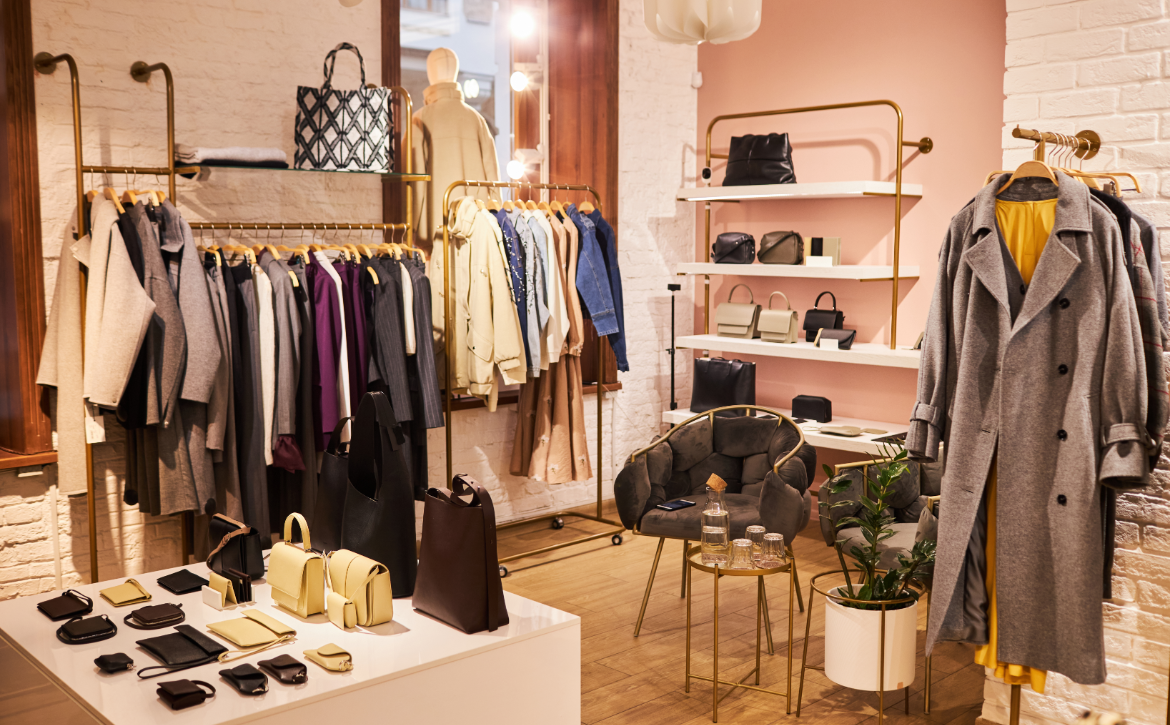
clothes racks along a brick textured wall with the racks topped with a selection of purses
Uncategorized

Thrifting vs Fast Fashion

Fashion has changed considerably in the last decade or so, especially with the influence of the internet and e-commerce. Fast fashion’s speed and accessibility are what have become attractive for many who buy brand new from their favorite stores.

However, thrifting remains a popular form of shopping for both individuality and sustainability. There’s also a growing secondhand market that has been influenced somewhat by Gen Z, who, as a generation, are considered to be incredibly eco-conscious in their buying habits.

So why are people choosing to shop secondhand? What are the differences between thrift shopping vs. fast fashion? From cost and quality to environmental and cultural factors, this guide will explore all of the above.

Cost and value: The real savings that are made

The allure of the fast fashion market is perhaps the appeal of low prices. But what’s the long-term cost of those low prices? Well, those responsible for making the garments are likely being paid very little. It’s not just the people making the garments that suffer, but the environmental damage incurred, too. 

From pollution damage to water consumption and landfill waste, fast fashion may be an appropriate choice for affordability, but the damage in the long term is significant. 

Thrifting, though, has a hidden advantage in comparison to fast fashion. You’re often getting higher-quality materials for the same or less money. 

Therefore, it’s important to shift your mindset when it comes to buying clothing. While you might get affordability with some fast fashion brands, you’ll get a lot of value per wear by thrifting instead.

The trade-offs of quality and longevity 

With fast fashion, you’ve got a relatively short life with most garments. Not only are they often made with disposable or trendy designs that inevitably go out of style, but they’re likely to be made out of cheaper materials, too.

Cheap materials like polyester and acrylic should be avoided. Older garments that you’ll find in thrift stores are more than likely to last longer as a result. The craftsmanship from the fabric to the stitching is likely to be better than most modern fast fashion brands offer.

The durability of fashion found in thrift stores creates nostalgia that you don’t get as often with fast fashion finds. Having pieces that last a lifetime is emotionally satisfying in comparison to those that won’t last more than a season, let alone several years.

The impact on the environment

There can be a significant negative impact on the environment where fast fashion. Many fast fashion businesses will produce a lot of stock for demand, but then end up overproducing too much, which is then just wasted inventory. 

As a result of this, any unsold or overproduced stock will end up in landfills. The production of fast fashion contributes greatly to pollution in the environment, too.

With thrifting, it creates what’s called a circular economy. Extending product life by reselling to others helps to reduce the demand for new production as a result.

Thrifting is all about conscious consumption. Making small changes that make a measurable difference is important for the environment, especially when it comes to the fashion industry in general.

The cultural appeal of expression over trends

There’s a cultural appeal that comes with expressions over trends. While fast fashion provides a lot in the way of output, a person’s individuality might be displayed more effectively through thrift shopping instead. 

Individuality vs. conformity 

Secondhand clothing is often considered a bit more creative in the way garments can be shopped and styled. As opposed to one fast fashion store, where you’ve only got a limited choice, thrift stores provide a whole array of brands from current ones to those that are no longer in existence.

Fast fashion is a conforming approach when it comes to shopping in this manner. You’re more likely to wear the same outfits as others, whereas thrift stores will likely lead to more of a unique closet with pieces that are hard to come by.

The social shift

With social media being what it is, influencers and communities alike are helping to normalize pre-loved fashion. From discovering small and independent thrift stores to trending social media ideas that share the appeal of thrift shopping.

An influencer’s role is one that often promotes resale platforms, providing tips on how to buy and even flip thrifted items for a profit. They also help to educate the public by creating content that educates audiences on the environmental impact of fast fashion and how circular fashion can be more effective.

As a community, communities provide the space for users to share tips on thrifting, upcycling, and mending. Many will also share the historical or cultural significance of vintage and pre-loved clothing as a way of preserving fashion history.

Storytelling through clothes

There’s an emotional connection that comes from finding clothes instead of simply buying them. With thrifting, it’s the excitement of the unknown. Every thrift store is unique and different from the next, so you never really know what you’re going to get when you go thrift shopping. 

It’s not quite the same when you’re shopping in fast fashion stores, especially when you can see what’s likely in-store, online. Thrifting is a fun experience every single time, and you’ll likely create a memory from shopping in thrift stores.

Mix fast fashion and thrifting 

When it comes to thrifting vs fast fashion, it’s important to think about how thrifting can help in being more environmentally conscious. Cost, quality, and sustainability all play a big part in today’s shopping decisions.

It’s therefore important to think about opting for secondhand. It’s a lifestyle to live by in order to help the environment and to reduce your carbon footprint, while still enjoying the experience of shopping for your closet.

While it might not be possible to completely shift over to thrifting straight away, you might find that mixing the two is a lot more doable than you initially believe it to be. Think about what changes you could make to your shopping habits to be more sustainable and eco-conscious in your efforts when spending money.

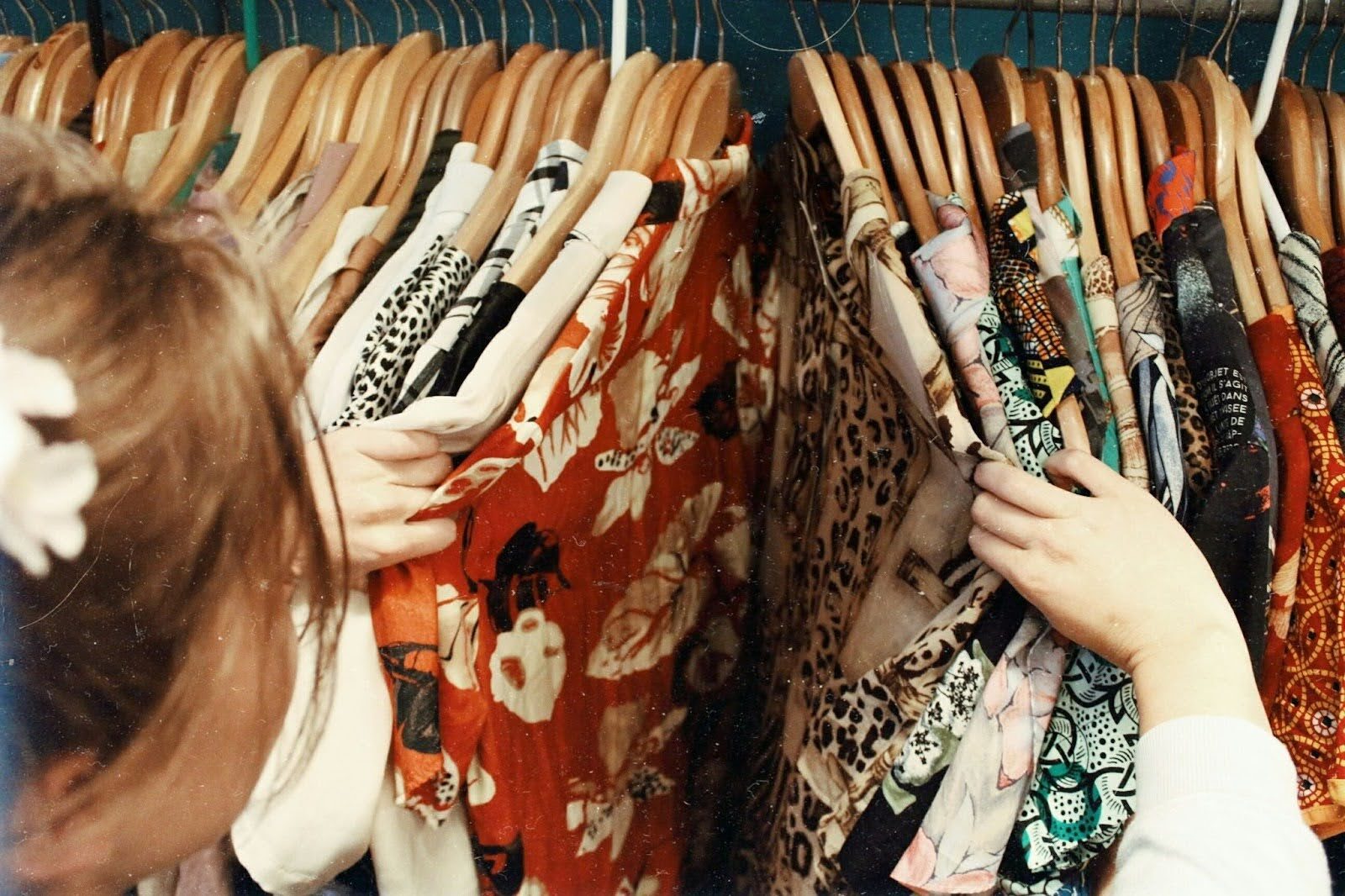
over the shoulder image of a woman sorting through shirts on a clothes rack
Uncategorized

Thrifting Tips for Shopping on a Budget

Thrifting has become a fashionable way to shop for those who are conscious about the environment and need more affordably-priced clothes. The fashion industry is highly saturated, and there’s a lot of clothing out there being mass-produced, which is harming the environment.

With thrift shopping, it’s a handy way of being more sustainable, shopping for unique items, and buying clothing for those on a budget. Strategy is important when shopping on a budget. It’s good to avoid impulse buys and instead focus on maximum value when spending your money.

Embracing a more thrift-dominant shopping attitude can help to make every dollar go further.

Plan ahead before shopping

Before hitting the thrift stores, you’ll want to do some local digging to see what local stores are available in your area and any sales that might have been recommended by local thrifters on social media, like local Facebook groups, for example.

There are often clearance events and local community thrift days available that you might not be aware of if you’re new to thrift shopping.

Aim to set a spending cap when it comes to shopping in general, so you’re not spending a fortune each time. A list of priorities is helpful so that you know exactly what you need, like a winter coat or a new going-out dress.

The best times to shop are helpful to get first dibs on the best pieces. Weekday morning and end-of-season donations are likely the best times to shop in these stores.

Tips for spotting quality and value when thrifting

If you’re thrifting on a budget, you’ll want to know the tips for spotting quality and value. This will hopefully ensure every item you shop, offers great value and longevity for wear.

1. Check fabric, labels, and stitching 

This helps to distinguish lasting quality and to ensure you’re not selecting from fast fashion cast-offs.

Take a close look at what the fabric is on the clothing, making sure to avoid the cheaper fabrics like synthetics. These include polyester, acrylic, as well as lower-quality rayon or viscose. Labels are always good to take a close look at. It’ll help you to work out if it’s a brand that you can trust for quality and value for money.

The stitching is something you should also pay close attention to. While it’s even a common occurrence in new garments, the outfits you’ll find in thrift stores might not always be in the best condition.

Therefore, it’s good to take a look at the stitching to make sure it’s all relatively intact. If not, you might want to assess the repair work or continue looking for other pieces in better condition. 

2. Understanding brand resale value 

Some secondhand finds are often a better investment when shopping in a thrift store than buying new off the rack.

You may find that some pieces that used to be brand new are now significantly less in price than they would have been if bought new. Sometimes you can find some really valuable finds in thrift stores, where you’ve saved yourself hundreds of dollars.

3. Inspect all your finds closely, both on the rack and when trying on 

A few minutes spent looking closely at your garment will help you decide if it’s worthwhile or not. It’s good to take a close look at the garment on the rack before you take it to the changing rooms.

Once you’re in the changing rooms, take care in trying on the outfit and make sure the changing room offers suitable lighting so you can get a good look at the garment.

4. Spend time in the outfit to make sure it’s the right choice

This is an important step because making a rushed decision might end up in the wrong choice being made. With that being said, spend time in the outfit to ensure it’s what you really want and that it suits you. Otherwise, it may end up in the closet, never to be touched again.

Make Every Find Last Longer

Every effort that’s made to ensure your thrift finds last longer is important. Not just to reinforce your efforts in being more sustainable, but to ensure your money has been well spent. Here are some helpful tips that will make every find you buy from the thrift store last longer.

Basic repair and care tips

A basic knowledge of repair and care will help get more life out of your outfits. From simple sewing fixes to following the labels when it comes to washing the garments.

Stain removal is also an important one to help keep the garment looking as new as when you got it from the thrift store.

Creative upcycling ideas

Sometimes, thrift finds can be transformed into something unique, especially if you’re a dab hand at DIY and crafts.

Rotate and restyle

It’s useful to look at all your thrifted pieces and to see what existing wardrobe staples you have that can be combined for fresh looks and styles. This could even be something you cross over seasons, as certain garments might be fashionable and wearable all year round.

Donate back once you’re done

To help continue the thrift experience for many more generations to come, it’s good to give back to thrift stores when you can. Once you’re done with an outfit, donate it back to a local thrift store, so that it can be enjoyed by someone else.

Get the most out of thrift shopping when on a budget

When you’re looking at how to thrift on a budget, it’s good to remember that thrifting isn’t just about saving money but about thoughtful consumption. Every purchase is an investment in your personal style and your sustainability efforts.

You’re likely to find plenty of thrift stores near you, so if you’re on a budget for your closet this year, thrift shopping is worth a try. Consider shopping in more thrift stores to help shop more sustainably and for the benefit of the world’s environment for years to come.

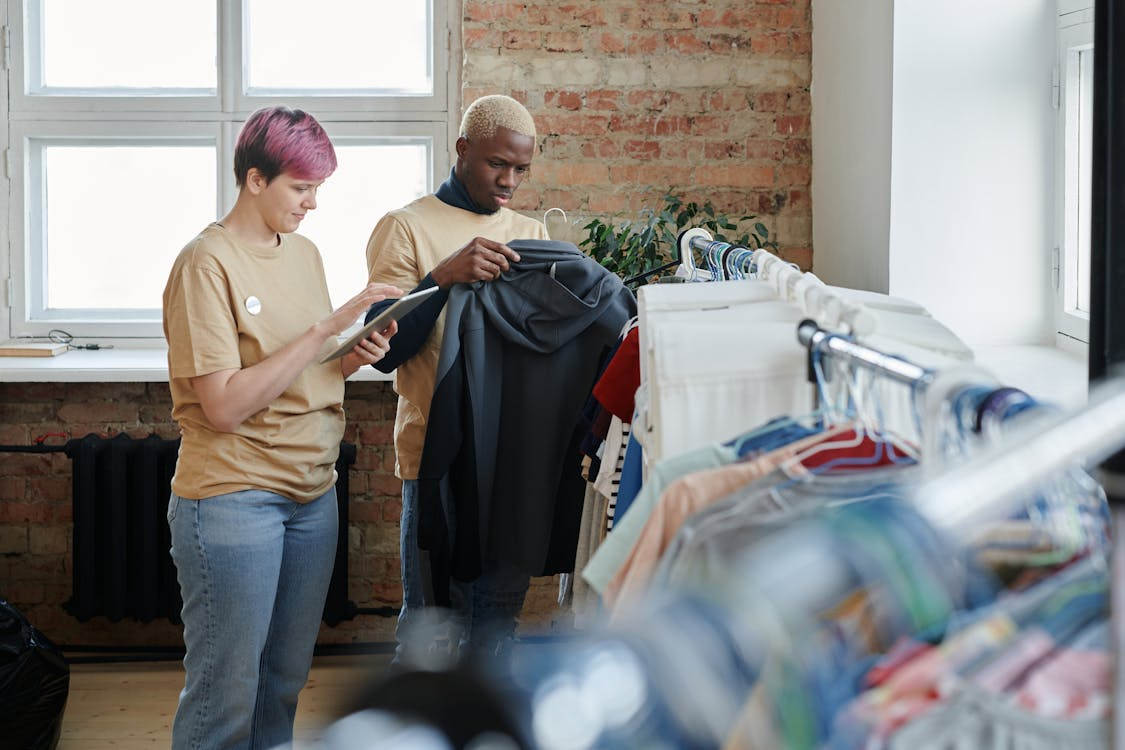
man and woman cataloging an article of clothing for donation for a thrift store
Uncategorized

How to Spot High-Quality Items at a Thrift Store

A trip to the thrift store is essentially a scavenger hunt, but for adults. You never know what you are going to find, and if you’re very lucky, you may even come across several hidden treasures. If you want to make solid decisions when shopping at a thrift store, then here’s what you need to know.

Spotting Maker’s Marks 

Paying attention to the material, construction method, weight, and little details of a specific piece can be a very good way for you to recognise a winner. A good thing to do is look out for the maker’s mark. This is a very distinctive mark that is found on older jewellery or pottery. The mark could represent the designer, manufacturer, or craftsperson. Every mark is different, and it could be a label, stamp, or even engraving. It could even be branding, or a metal tag. Some might include company logos or images, and others may include a name. Finding a mark can help you to find out if a piece is in fact authentic, but with that said, something not having a mark doesn’t mean that it’s not. Lacking a mark doesn’t mean that something is worthless, as it is possible for marks to wear away over time. If you want to identify a mark, you need to look in hidden spots if you can. On furniture, it may be inside the drawer, on the back panel, or on the leg. On ceramic pieces, it’s usually on the bottom.

Using Google Lens is a great workaround here, as you can use this to search for the mark and then identify the company. From there, you can find out its potential age. You can also compare it to a legitimate piece to find out if you have scored a bargain.

How to Identify Quality Expensive Ties at a Thrift Store

When browsing ties at a thrift store, start by checking the fabric and construction. High-quality ties are often made from silk or wool and feel smooth and substantial to the touch. Look for a label from a reputable brand, but also inspect the stitching, hand-stitched seams and a slightly uneven finish can indicate better craftsmanship than mass-produced alternatives.

Next, examine the lining and overall shape. A quality tie will have a wool or cotton interlining that helps it maintain structure and drape well when worn. Try gently folding it; it should spring back into shape without creasing. Also, check for patterns that align neatly and avoid ties with fraying, stains, or loose threads, as these reduce both value and longevity.

Looking out for High-End Brands

You also need to look out for high-end brands. Some brands are known for their quality, but others are known for their name and high value. You can even find vintage items online. If you have a list of manufacturers or brands that you would like to search for, as well as the popular items that are from that collection, you will find it easier to find what you are looking for. If you want a high-end piece of furniture, look out for Drexel Heritage, Henredon, Thomasville, and more. Glassware may include Murano and Steuben, and from there, you can find it easier to spot high-end pieces.  

Numbered Prints and Pencil Signatures

You should also keep an eye out for numbered prints, as well as pencil signatures. If you want to spruce up your space, art can be a good way to go, but at the same time, it can be difficult to find something that really speaks to you. Originals are worth more than prints, and if you want to score an original, you need to look out for the indicators present. One thing you can do is look out for visible brush strokes. You can also look out for artist notes as well as pencil sketch marks. If something is limited edition, this is also great. Finding a print that is limited to just 50 prints could make it valuable, but at the same time, a famous print limited to 1000 prints could be worth just as much. It might not be possible for you to determine the weight of the item, but as a general rule, the heavier an item is, the more likely it is to be valuable. 

Glass and Crystal

Another thing you need to look out for is whether something is glass or crystal. It’s very easy for crystal and cut glass to look similar. Crystal is normally a type of glass but has a higher amount of lead oxide. It’s also more expensive than cut glass, which is why it is beneficial to be able to identify it. While both options look great, glass is worth less. One way for you to distinguish between the two would be to tap it with your fingernail. If you hear a sound that is similar to a bell ringing, then there’s a good chance you have crystal. Cut glass won’t make a ringing sound. Crystal glassware also shows blue or even purple hues when you shine a light through it, with a prismatic effect. Crystal is also heavier with glass and tends to have more rounded edges.

Wood Furniture

If you want to buy some wooden furniture that is high quality then you don’t want to look for perfection. When something is made by hand, there are imperfections, and therefore, pieces are worth more. Look out for slight differences in the sheen or the color, and also take note of decorative detailing so you can find out if it is hand-crafted or not. When wood is carved by hand, you will see variations and inlays. It’s also possible that you can spot hand-crafted wood by looking at the less visible areas. An artisan piece of wood will still have carvings in lesser-seen areas, but if you have a more mass-produced piece, then it’s entirely possible that this will look unfinished on the sides, and that the underside won’t even be stained.

Although things like this tend to be small, it is a good way for you to make sure that you are not buying pieces that are not actually worth as much as you think. By doing your research and by having a keen eye for detail, you will find it easier to find pieces that really work for you and that stand out overall. If you want to go bargain hunting, you can visit one of our stores. We also have a loyalty program for those who want additional savings.

closeup of a row of colorful sweaters on hangers in a thrift store
Uncategorized

Best Days for Thrift Store Deals

Unlike normal retail stores, thrift stores don’t have specific sales cycles, as inventory always changes depending on the donations given. With that said, you can use patterns and seasonal adjustments to your advantage, so you can get some real bargains.

When are the Best Times to Shop at a Thrift Store?

One of the best times for you to go shopping would be on a Monday morning. Many people clear out their homes on a weekend, so this gives you a chance to have a look at new items with ease. Garage sales might have ended as well, and it’s not uncommon to see unsold items donated. You can also shop at the end of the month. Many thrift stores try to clear out old items for new ones, which can usually mean additional discounts. 

Seasonal shifts can also help you to time your thrift shop. As the weather turns, people’s needs for home decor and clothes change. This can lead to more of a certain item appearing. Spring cleaning is a big window that you can take advantage of here. People donate things that they don’t need, and as a result, thrift stores see an increase in their total products available.

In summary, the best days to go thrifting are:

  • Monday
  • Tuesday
  • Last days of the month
  • Start of a new season

Clothing Bargains

If you’re after clothing in particular, late summer and early fall are good windows for you to take advantage of. You might even find furniture from dorms during this time as well. As parents prepare for the school year, they often sell older clothes that still have plenty of wear left. Holidays can also be a good time for you to shop for clothes, as people clear out before Christmas to make room for more items. After Christmas, people also donate the things they don’t want, which can lead to an influx of new stock. As a result, thrift stores lower the prices of older stock.

Extra Thrifting Opportunities

If you want to capitalize on deals and discounts even more, then you should know that yard sales are very popular. Yard sale leftovers often get donated to local thrift stores, so if you know that there are a lot of sales in your local area, wait until they end and then visit the thrift store for even bigger savings. If you want to get the best result, then make sure that you visit as early as you can in the morning, as this is the best way for you to get access to new items.

Use Tech to Your Advantage

Technology can help you a lot with thrift shopping. Make sure that you follow your local thrift stores on social media, as this is a great way for you to learn about any upcoming sales or events. It also allows you to compare different deals. Thrift stores often post photos of the stock they have, which gives you a heads-up on what’s available. Some thrift stores also have their own app that you can use to monitor deals. Here at Thrift Town Stores, we give you the chance to save even more by becoming a VIP member as well. This is all managed digitally. If you spend $1, you earn 1 point, and when you get to 100 points, you can claim $5 off when you spend $15. We also offer a range of exclusive discounts, so it’s worth keeping an eye out for other things like this.

Be Patient

You also need to be patient. Patience is important when shopping at thrift stores, as they may not always have a set amount of inventory. Hunting is fun, however, so you need to be ready to search around. Online stores are great, as they can tell you about any nearby opportunities that you might not have been aware of. Regular visits do pay off, too, so make sure that you visit your local thrift store regularly. When you do, you will find things you never knew you needed. The great thing about thrift stores is that what was there yesterday might not be there today, so be opportunistic and be mindful of specific sales that are being advertised.

Get to Know the Staff

You should also get to know the staff who work at your local thrift store. They might be able to tell you about any local sales that they are hosting. Some may have preferences you can ask about as well. It’s smart to follow the rules and respect store policy, as this is a great way for you to build good relationships with the people who work there, while also setting yourself up for a successful go at shopping in the future. 

Getting the Biggest Deals and Discounts

Of course, if you want to get the biggest deals and discounts, you do need to make sure that you go to your local thrift shop in the morning, and right after Christmas. A lot of people go to thrift stores to try and find last-minute bargains, and although this is great, you do face a lot of competition. After Christmas, however, most people are shopped out and are looking for ways to try and clear out their home. This is your window, so try and make sure that you keep that in mind. You can also apply this concept to other items. Going to the thrift store after the school year has started, rather than before, is a good way for you to secure clothing bargains. Little tricks like this make total sense, and if you can keep them in mind, then you will find it easier to not only get the result you need out of your shopping, but also to make sure that you can get the biggest discounts possible. 

If you want to find some bargains, you can also visit our own thrift stores. We have four locations like San Antonio and Richardson Texas and one in Albuquerque New Mexico. Stock is always shifting, with loyalty schemes available for those who want more discounts. We’re open until 8 pm too, so you can shop later, while getting access to great deals.