Thrift Town

  • Home
  • Locations
  • Contact
    • About Us
  • Donations
  • Join Our Family
  • Blog

Thrift Town

  • Home
  • Locations
  • Contact
    • About Us
  • Donations
  • Join Our Family
  • Blog
  • Home
  • Locations
  • Contact
    • About Us
  • Donations
  • Join Our Family
  • Blog

Thrift Town

Thrift Town

  • Home
  • Locations
  • Contact
    • About Us
  • Donations
  • Join Our Family
  • Blog
Author: Joe Arduini
Home Articles Posted by Joe Arduini
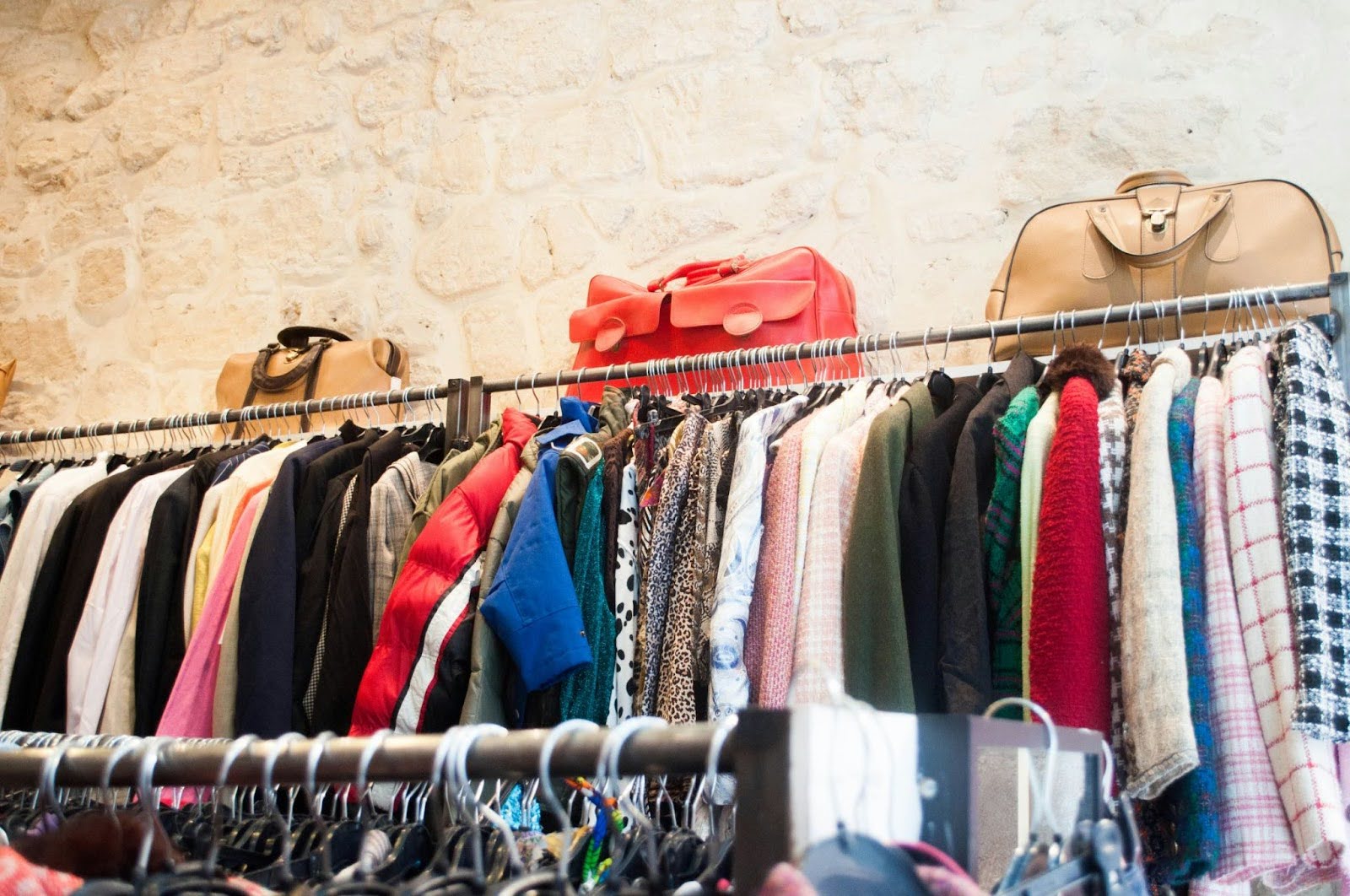
clothes racks along a brick textured wall with the racks topped with a selection of purses
Uncategorized
November 26, 2025

Thrifting vs Fast Fashion

Fashion has changed considerably in the last decade or so, especially with the influence of the internet and e-commerce. Fast fashion’s speed and accessibility are what have become attractive for many who buy brand new from their favorite stores.

However, thrifting remains a popular form of shopping for both individuality and sustainability. There’s also a growing secondhand market that has been influenced somewhat by Gen Z, who, as a generation, are considered to be incredibly eco-conscious in their buying habits.

So why are people choosing to shop secondhand? What are the differences between thrift shopping vs. fast fashion? From cost and quality to environmental and cultural factors, this guide will explore all of the above.

Cost and value: The real savings that are made

The allure of the fast fashion market is perhaps the appeal of low prices. But what’s the long-term cost of those low prices? Well, those responsible for making the garments are likely being paid very little. It’s not just the people making the garments that suffer, but the environmental damage incurred, too. 

From pollution damage to water consumption and landfill waste, fast fashion may be an appropriate choice for affordability, but the damage in the long term is significant. 

Thrifting, though, has a hidden advantage in comparison to fast fashion. You’re often getting higher-quality materials for the same or less money. 

Therefore, it’s important to shift your mindset when it comes to buying clothing. While you might get affordability with some fast fashion brands, you’ll get a lot of value per wear by thrifting instead.

The trade-offs of quality and longevity 

With fast fashion, you’ve got a relatively short life with most garments. Not only are they often made with disposable or trendy designs that inevitably go out of style, but they’re likely to be made out of cheaper materials, too.

Cheap materials like polyester and acrylic should be avoided. Older garments that you’ll find in thrift stores are more than likely to last longer as a result. The craftsmanship from the fabric to the stitching is likely to be better than most modern fast fashion brands offer.

The durability of fashion found in thrift stores creates nostalgia that you don’t get as often with fast fashion finds. Having pieces that last a lifetime is emotionally satisfying in comparison to those that won’t last more than a season, let alone several years.

The impact on the environment

There can be a significant negative impact on the environment where fast fashion. Many fast fashion businesses will produce a lot of stock for demand, but then end up overproducing too much, which is then just wasted inventory. 

As a result of this, any unsold or overproduced stock will end up in landfills. The production of fast fashion contributes greatly to pollution in the environment, too.

With thrifting, it creates what’s called a circular economy. Extending product life by reselling to others helps to reduce the demand for new production as a result.

Thrifting is all about conscious consumption. Making small changes that make a measurable difference is important for the environment, especially when it comes to the fashion industry in general.

The cultural appeal of expression over trends

There’s a cultural appeal that comes with expressions over trends. While fast fashion provides a lot in the way of output, a person’s individuality might be displayed more effectively through thrift shopping instead. 

Individuality vs. conformity 

Secondhand clothing is often considered a bit more creative in the way garments can be shopped and styled. As opposed to one fast fashion store, where you’ve only got a limited choice, thrift stores provide a whole array of brands from current ones to those that are no longer in existence.

Fast fashion is a conforming approach when it comes to shopping in this manner. You’re more likely to wear the same outfits as others, whereas thrift stores will likely lead to more of a unique closet with pieces that are hard to come by.

The social shift

With social media being what it is, influencers and communities alike are helping to normalize pre-loved fashion. From discovering small and independent thrift stores to trending social media ideas that share the appeal of thrift shopping.

An influencer’s role is one that often promotes resale platforms, providing tips on how to buy and even flip thrifted items for a profit. They also help to educate the public by creating content that educates audiences on the environmental impact of fast fashion and how circular fashion can be more effective.

As a community, communities provide the space for users to share tips on thrifting, upcycling, and mending. Many will also share the historical or cultural significance of vintage and pre-loved clothing as a way of preserving fashion history.

Storytelling through clothes

There’s an emotional connection that comes from finding clothes instead of simply buying them. With thrifting, it’s the excitement of the unknown. Every thrift store is unique and different from the next, so you never really know what you’re going to get when you go thrift shopping. 

It’s not quite the same when you’re shopping in fast fashion stores, especially when you can see what’s likely in-store, online. Thrifting is a fun experience every single time, and you’ll likely create a memory from shopping in thrift stores.

Mix fast fashion and thrifting 

When it comes to thrifting vs fast fashion, it’s important to think about how thrifting can help in being more environmentally conscious. Cost, quality, and sustainability all play a big part in today’s shopping decisions.

It’s therefore important to think about opting for secondhand. It’s a lifestyle to live by in order to help the environment and to reduce your carbon footprint, while still enjoying the experience of shopping for your closet.

While it might not be possible to completely shift over to thrifting straight away, you might find that mixing the two is a lot more doable than you initially believe it to be. Think about what changes you could make to your shopping habits to be more sustainable and eco-conscious in your efforts when spending money.
Read More
By Joe Arduini
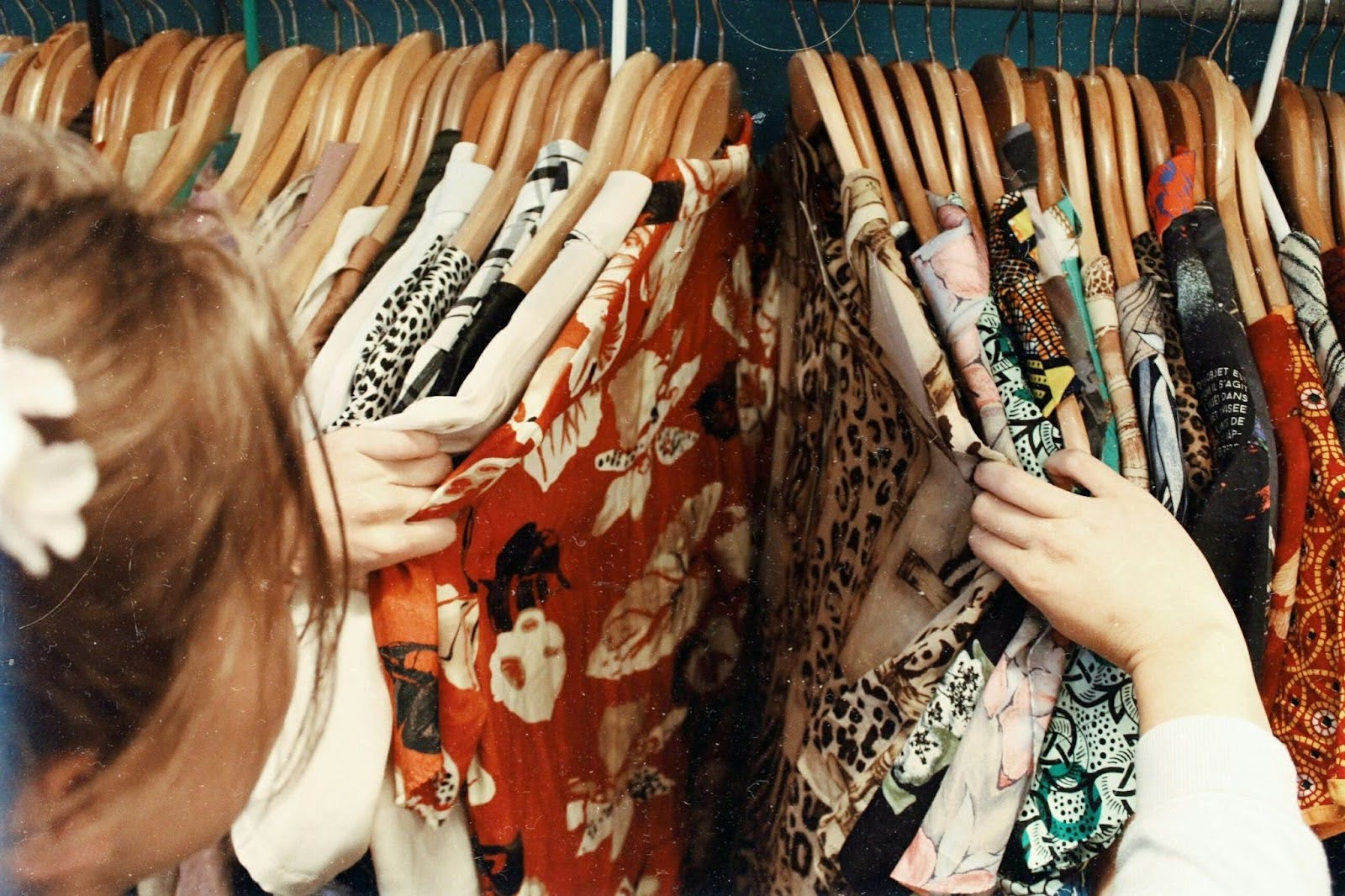
over the shoulder image of a woman sorting through shirts on a clothes rack
Uncategorized
November 14, 2025

Thrifting Tips for Shopping on a Budget

Thrifting has become a fashionable way to shop for those who are conscious about the environment and need more affordably-priced clothes. The fashion industry is highly saturated, and there’s a lot of clothing out there being mass-produced, which is harming the environment.

With thrift shopping, it’s a handy way of being more sustainable, shopping for unique items, and buying clothing for those on a budget. Strategy is important when shopping on a budget. It’s good to avoid impulse buys and instead focus on maximum value when spending your money.

Embracing a more thrift-dominant shopping attitude can help to make every dollar go further.

Plan ahead before shopping

Before hitting the thrift stores, you’ll want to do some local digging to see what local stores are available in your area and any sales that might have been recommended by local thrifters on social media, like local Facebook groups, for example.

There are often clearance events and local community thrift days available that you might not be aware of if you’re new to thrift shopping.

Aim to set a spending cap when it comes to shopping in general, so you’re not spending a fortune each time. A list of priorities is helpful so that you know exactly what you need, like a winter coat or a new going-out dress.

The best times to shop are helpful to get first dibs on the best pieces. Weekday morning and end-of-season donations are likely the best times to shop in these stores.

Tips for spotting quality and value when thrifting

If you’re thrifting on a budget, you’ll want to know the tips for spotting quality and value. This will hopefully ensure every item you shop, offers great value and longevity for wear.

1. Check fabric, labels, and stitching 

This helps to distinguish lasting quality and to ensure you’re not selecting from fast fashion cast-offs.

Take a close look at what the fabric is on the clothing, making sure to avoid the cheaper fabrics like synthetics. These include polyester, acrylic, as well as lower-quality rayon or viscose. Labels are always good to take a close look at. It’ll help you to work out if it’s a brand that you can trust for quality and value for money.

The stitching is something you should also pay close attention to. While it’s even a common occurrence in new garments, the outfits you’ll find in thrift stores might not always be in the best condition.

Therefore, it’s good to take a look at the stitching to make sure it’s all relatively intact. If not, you might want to assess the repair work or continue looking for other pieces in better condition. 

2. Understanding brand resale value 

Some secondhand finds are often a better investment when shopping in a thrift store than buying new off the rack.

You may find that some pieces that used to be brand new are now significantly less in price than they would have been if bought new. Sometimes you can find some really valuable finds in thrift stores, where you’ve saved yourself hundreds of dollars.

3. Inspect all your finds closely, both on the rack and when trying on 

A few minutes spent looking closely at your garment will help you decide if it’s worthwhile or not. It’s good to take a close look at the garment on the rack before you take it to the changing rooms.

Once you’re in the changing rooms, take care in trying on the outfit and make sure the changing room offers suitable lighting so you can get a good look at the garment.

4. Spend time in the outfit to make sure it’s the right choice

This is an important step because making a rushed decision might end up in the wrong choice being made. With that being said, spend time in the outfit to ensure it’s what you really want and that it suits you. Otherwise, it may end up in the closet, never to be touched again.

Make Every Find Last Longer

Every effort that’s made to ensure your thrift finds last longer is important. Not just to reinforce your efforts in being more sustainable, but to ensure your money has been well spent. Here are some helpful tips that will make every find you buy from the thrift store last longer.

Basic repair and care tips

A basic knowledge of repair and care will help get more life out of your outfits. From simple sewing fixes to following the labels when it comes to washing the garments.

Stain removal is also an important one to help keep the garment looking as new as when you got it from the thrift store.

Creative upcycling ideas

Sometimes, thrift finds can be transformed into something unique, especially if you’re a dab hand at DIY and crafts.

Rotate and restyle

It’s useful to look at all your thrifted pieces and to see what existing wardrobe staples you have that can be combined for fresh looks and styles. This could even be something you cross over seasons, as certain garments might be fashionable and wearable all year round.

Donate back once you’re done

To help continue the thrift experience for many more generations to come, it’s good to give back to thrift stores when you can. Once you’re done with an outfit, donate it back to a local thrift store, so that it can be enjoyed by someone else.

Get the most out of thrift shopping when on a budget

When you’re looking at how to thrift on a budget, it’s good to remember that thrifting isn’t just about saving money but about thoughtful consumption. Every purchase is an investment in your personal style and your sustainability efforts.

You’re likely to find plenty of thrift stores near you, so if you’re on a budget for your closet this year, thrift shopping is worth a try. Consider shopping in more thrift stores to help shop more sustainably and for the benefit of the world’s environment for years to come.

Read More
By Joe Arduini
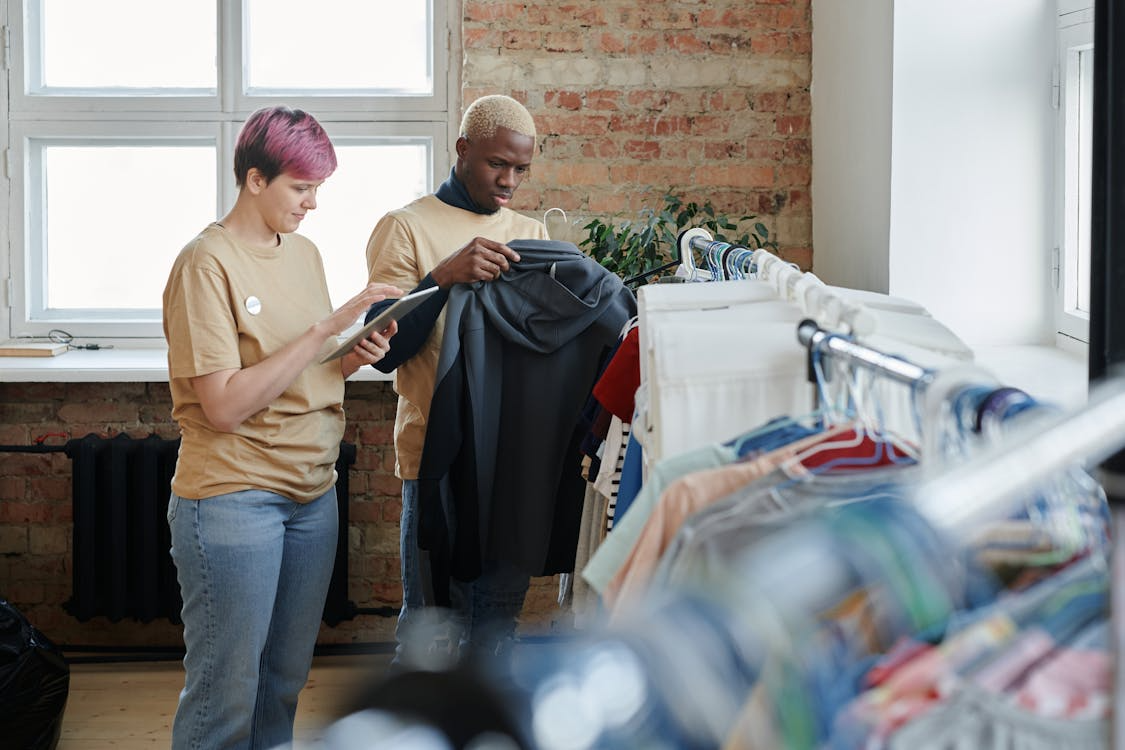
man and woman cataloging an article of clothing for donation for a thrift store
Uncategorized
October 20, 2025

How to Spot High-Quality Items at a Thrift Store

A trip to the thrift store is essentially a scavenger hunt, but for adults. You never know what you are going to find, and if you’re very lucky, you may even come across several hidden treasures. If you want to make solid decisions when shopping at a thrift store, then here’s what you need to know.

Spotting Maker’s Marks 

Paying attention to the material, construction method, weight, and little details of a specific piece can be a very good way for you to recognise a winner. A good thing to do is look out for the maker’s mark. This is a very distinctive mark that is found on older jewellery or pottery. The mark could represent the designer, manufacturer, or craftsperson. Every mark is different, and it could be a label, stamp, or even engraving. It could even be branding, or a metal tag. Some might include company logos or images, and others may include a name. Finding a mark can help you to find out if a piece is in fact authentic, but with that said, something not having a mark doesn’t mean that it’s not. Lacking a mark doesn’t mean that something is worthless, as it is possible for marks to wear away over time. If you want to identify a mark, you need to look in hidden spots if you can. On furniture, it may be inside the drawer, on the back panel, or on the leg. On ceramic pieces, it’s usually on the bottom.

Using Google Lens is a great workaround here, as you can use this to search for the mark and then identify the company. From there, you can find out its potential age. You can also compare it to a legitimate piece to find out if you have scored a bargain.

How to Identify Quality Expensive Ties at a Thrift Store

When browsing ties at a thrift store, start by checking the fabric and construction. High-quality ties are often made from silk or wool and feel smooth and substantial to the touch. Look for a label from a reputable brand, but also inspect the stitching, hand-stitched seams and a slightly uneven finish can indicate better craftsmanship than mass-produced alternatives.

Next, examine the lining and overall shape. A quality tie will have a wool or cotton interlining that helps it maintain structure and drape well when worn. Try gently folding it; it should spring back into shape without creasing. Also, check for patterns that align neatly and avoid ties with fraying, stains, or loose threads, as these reduce both value and longevity.

Looking out for High-End Brands

You also need to look out for high-end brands. Some brands are known for their quality, but others are known for their name and high value. You can even find vintage items online. If you have a list of manufacturers or brands that you would like to search for, as well as the popular items that are from that collection, you will find it easier to find what you are looking for. If you want a high-end piece of furniture, look out for Drexel Heritage, Henredon, Thomasville, and more. Glassware may include Murano and Steuben, and from there, you can find it easier to spot high-end pieces.  

Numbered Prints and Pencil Signatures

You should also keep an eye out for numbered prints, as well as pencil signatures. If you want to spruce up your space, art can be a good way to go, but at the same time, it can be difficult to find something that really speaks to you. Originals are worth more than prints, and if you want to score an original, you need to look out for the indicators present. One thing you can do is look out for visible brush strokes. You can also look out for artist notes as well as pencil sketch marks. If something is limited edition, this is also great. Finding a print that is limited to just 50 prints could make it valuable, but at the same time, a famous print limited to 1000 prints could be worth just as much. It might not be possible for you to determine the weight of the item, but as a general rule, the heavier an item is, the more likely it is to be valuable. 

Glass and Crystal

Another thing you need to look out for is whether something is glass or crystal. It’s very easy for crystal and cut glass to look similar. Crystal is normally a type of glass but has a higher amount of lead oxide. It’s also more expensive than cut glass, which is why it is beneficial to be able to identify it. While both options look great, glass is worth less. One way for you to distinguish between the two would be to tap it with your fingernail. If you hear a sound that is similar to a bell ringing, then there’s a good chance you have crystal. Cut glass won’t make a ringing sound. Crystal glassware also shows blue or even purple hues when you shine a light through it, with a prismatic effect. Crystal is also heavier with glass and tends to have more rounded edges.

Wood Furniture

If you want to buy some wooden furniture that is high quality then you don’t want to look for perfection. When something is made by hand, there are imperfections, and therefore, pieces are worth more. Look out for slight differences in the sheen or the color, and also take note of decorative detailing so you can find out if it is hand-crafted or not. When wood is carved by hand, you will see variations and inlays. It’s also possible that you can spot hand-crafted wood by looking at the less visible areas. An artisan piece of wood will still have carvings in lesser-seen areas, but if you have a more mass-produced piece, then it’s entirely possible that this will look unfinished on the sides, and that the underside won’t even be stained.

Although things like this tend to be small, it is a good way for you to make sure that you are not buying pieces that are not actually worth as much as you think. By doing your research and by having a keen eye for detail, you will find it easier to find pieces that really work for you and that stand out overall. If you want to go bargain hunting, you can visit one of our stores. We also have a loyalty program for those who want additional savings.

Read More
By Joe Arduini
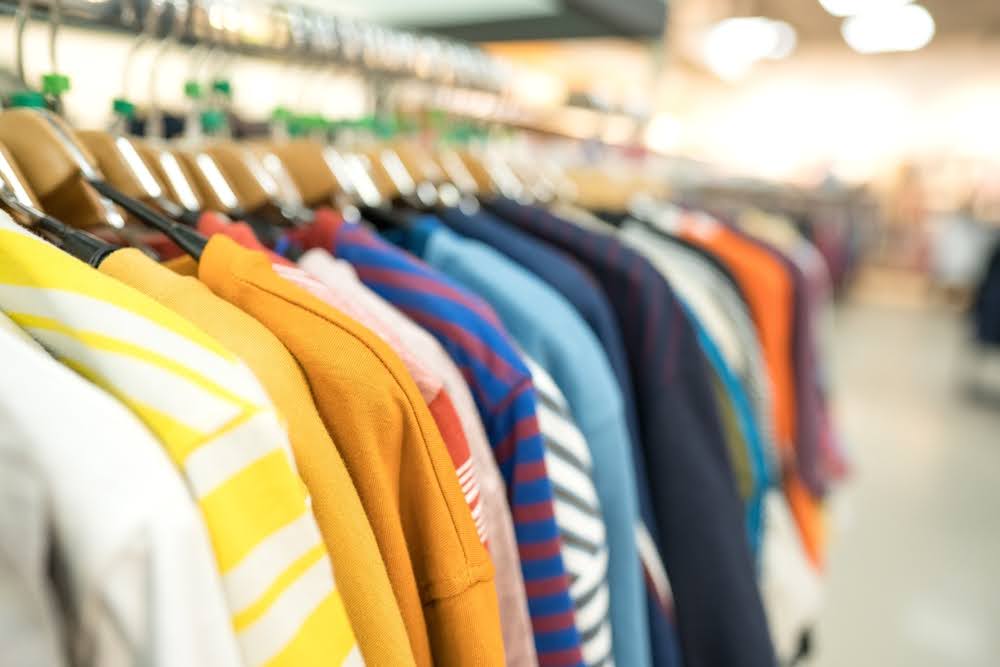
closeup of a row of colorful sweaters on hangers in a thrift store
Uncategorized
October 15, 2025

Best Days for Thrift Store Deals

Unlike normal retail stores, thrift stores don’t have specific sales cycles, as inventory always changes depending on the donations given. With that said, you can use patterns and seasonal adjustments to your advantage, so you can get some real bargains.

When are the Best Times to Shop at a Thrift Store?

One of the best times for you to go shopping would be on a Monday morning. Many people clear out their homes on a weekend, so this gives you a chance to have a look at new items with ease. Garage sales might have ended as well, and it’s not uncommon to see unsold items donated. You can also shop at the end of the month. Many thrift stores try to clear out old items for new ones, which can usually mean additional discounts. 

Seasonal shifts can also help you to time your thrift shop. As the weather turns, people’s needs for home decor and clothes change. This can lead to more of a certain item appearing. Spring cleaning is a big window that you can take advantage of here. People donate things that they don’t need, and as a result, thrift stores see an increase in their total products available.

In summary, the best days to go thrifting are:

  • Monday
  • Tuesday
  • Last days of the month
  • Start of a new season

The Best Times to Shop at Thrift Town Stores

If you want to make the most of your visit to Thrift Town Stores, there are also some regular discounts and sales that you can take advantage of. These include:

Mondays: 20% military discount *

Mondays: 20% discount for shoppers age 50 and over *

Weekly color tag sale: 30% and 50% off select colors *

*Offers are subject to change. Please check with your individual Thrift Town Stores location to confirm the availability of these offers before visiting.

Clothing Bargains

If you’re after clothing in particular, late summer and early fall are good windows for you to take advantage of. You might even find furniture from dorms during this time as well. As parents prepare for the school year, they often sell older clothes that still have plenty of wear left. Holidays can also be a good time for you to shop for clothes, as people clear out before Christmas to make room for more items. After Christmas, people also donate the things they don’t want, which can lead to an influx of new stock. As a result, thrift stores lower the prices of older stock.

Extra Thrifting Opportunities

If you want to capitalize on deals and discounts even more, then you should know that yard sales are very popular. Yard sale leftovers often get donated to local thrift stores, so if you know that there are a lot of sales in your local area, wait until they end and then visit the thrift store for even bigger savings. If you want to get the best result, then make sure that you visit as early as you can in the morning, as this is the best way for you to get access to new items.

Use Tech to Your Advantage

Technology can help you a lot with thrift shopping. Make sure that you follow your local thrift stores on social media, as this is a great way for you to learn about any upcoming sales or events. It also allows you to compare different deals. Thrift stores often post photos of the stock they have, which gives you a heads-up on what’s available. Some thrift stores also have their own app that you can use to monitor deals. Here at Thrift Town Stores, we give you the chance to save even more by becoming a VIP member as well. This is all managed digitally. If you spend $1, you earn 1 point, and when you get to 100 points, you can claim $5 off when you spend $15. We also offer a range of exclusive discounts, so it’s worth keeping an eye out for other things like this.

Be Patient

You also need to be patient. Patience is important when shopping at thrift stores, as they may not always have a set amount of inventory. Hunting is fun, however, so you need to be ready to search around. Online stores are great, as they can tell you about any nearby opportunities that you might not have been aware of. Regular visits do pay off, too, so make sure that you visit your local thrift store regularly. When you do, you will find things you never knew you needed. The great thing about thrift stores is that what was there yesterday might not be there today, so be opportunistic and be mindful of specific sales that are being advertised.

Get to Know the Staff

You should also get to know the staff who work at your local thrift store. They might be able to tell you about any local sales that they are hosting. Some may have preferences you can ask about as well. It’s smart to follow the rules and respect store policy, as this is a great way for you to build good relationships with the people who work there, while also setting yourself up for a successful go at shopping in the future. 

Getting the Biggest Deals and Discounts

Of course, if you want to get the biggest deals and discounts, you do need to make sure that you go to your local thrift shop in the morning, and right after Christmas. A lot of people go to thrift stores to try and find last-minute bargains, and although this is great, you do face a lot of competition. After Christmas, however, most people are shopped out and are looking for ways to try and clear out their home. This is your window, so try and make sure that you keep that in mind. You can also apply this concept to other items. Going to the thrift store after the school year has started, rather than before, is a good way for you to secure clothing bargains. Little tricks like this make total sense, and if you can keep them in mind, then you will find it easier to not only get the result you need out of your shopping, but also to make sure that you can get the biggest discounts possible. 

If you want to find some bargains, you can also visit our own thrift stores. We have four locations like San Antonio and Richardson Texas and one in Albuquerque New Mexico. Stock is always shifting, with loyalty schemes available for those who want more discounts. We’re open until 8 pm too, so you can shop later, while getting access to great deals. 

Read More
By Joe Arduini
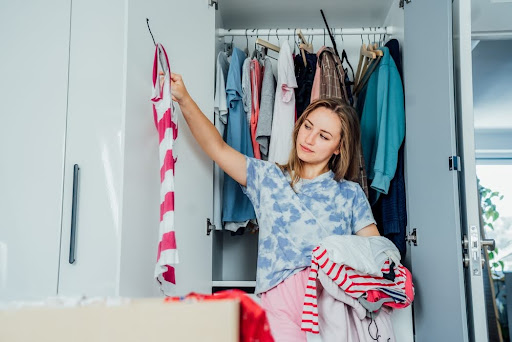
woman holding up a shirt from a few hangers of clothes
Uncategorized
September 8, 2025

What to do After Bringing Home Thrifted Clothes

Thrift shopping is a great way to save money, reduce waste, and discover unique clothing pieces that express your personal style. Before you slip into that vintage jacket or those cool second hand jeans, it’s important to know what steps you have to take after bringing those items home.

Most people ask whether or not you can wear clothes straight from a thrift thrift store, and the short answer is you really shouldn’t. Beyond basic hygiene, caring for thrift clothing involves cleaning, inspecting, and sometimes even repairing or altering them.

In this short guide, we’re going to break down what to do after a thrift haul to ensure that your clothes are clean, safe, and ready to wear with confidence.

Don’t wear thrifted clothes right away

It’s always super tempting to wear your new thrifted items straight from the store. This is especially the case if they look clean, but thrift clothes come with unknown histories, previous owners, storage conditions, and handling by shoppers. 

These items can carry dirt and oils from previous use, bacteria, fungi or allergens, dust mites or pet dander, lice, bedbugs or their eggs. Chemical residues from prior dry cleaning. So, even if a piece of clothing appears spotless, assume it’s not and clean it thoroughly before you wear it.

Sort your haul before you wash it

Before you toss everything into the washer, take a moment to organize. You need to separate everything by fabric and colour because sorting reduces the risk of bleeding colours and ensures each item gets proper care. 

If anything smells strongly of mildew, has visible stains or looks like it could harbour pests, isolate it in a sealed bag until you can treat it properly. Don’t place anything near your bed, closet, or furniture until it has been completely cleaned.

Inspect all items for damage or needed repairs

Caring for thrift clothing isn’t just about cleaning, but about restoring them to a wearable condition.Some of the things that you should check for include the list below.

  • Missing buttons or loose seams.
  • Broken zippers or snaps
  • Small tears or holes
  • Pilling, fading, or worn spots.

You can put all of these items into a repair pile and decide what’s worth fixing or tailoring. Some floors are easily repaired with minimal skill, but others may not be worth the effort. A good tip here is to keep a simple sewing kit at home for small repairs like Hemming pants, reinforcing seams, or replacing buttons. You’ll save some money and extend the life of your finds.

How to clean thrifted clothes

Pretreat your stains

Before you wash anything, look for stains and treat them accordingly. Older stains may not come out without targeted attention, and common methods for pretreatment include rubbing grease stains with dish soap or using baking soda for sweat or deodorant marks.

If you find a stain and you don’t know what it is, try a gentle enzyme based stain remover. Before you add anything to these items of clothing, always test in an inconspicuous area first because some older fabrics or dyes may react differently to modern products.

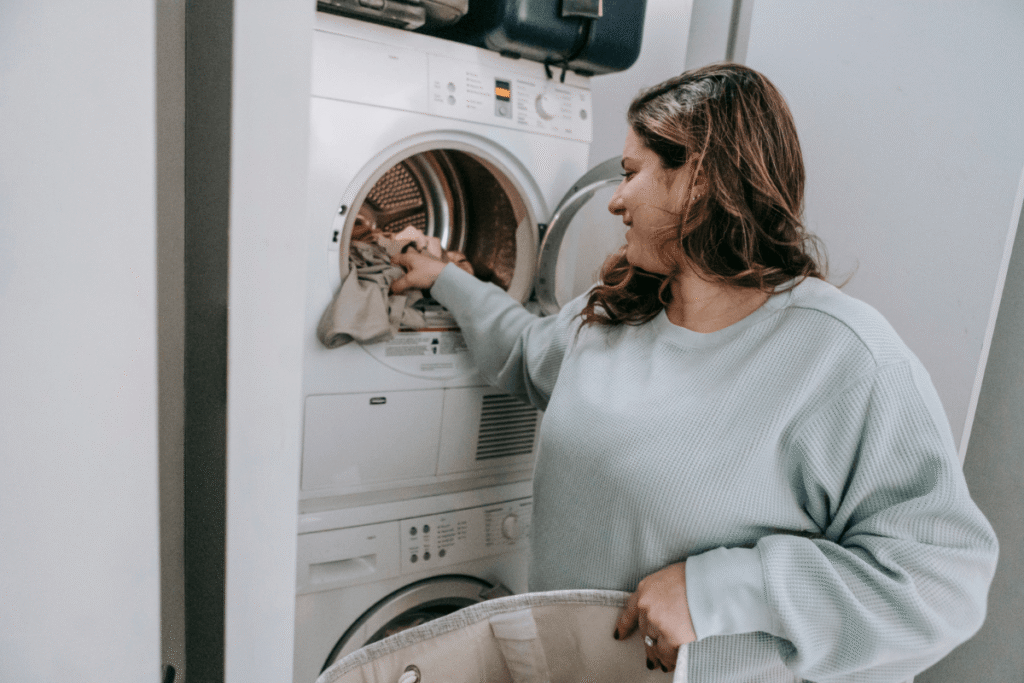
Use your dryer to your advantage

Use your dryer to your advantage

We’re not going to walk you through the washing or dry cleaning instructions because all items should have labeling on them anyway. But when it comes to using the dryer, be careful with it, but use it to your advantage. Heat can help eliminate potential germs or pests, but not all fabrics can handle it.

For the sturdier fabrics like jeans, towels or cotton tops, use high heat tub or dry low or air dry delicate or shrink prone items. Add a dryer sheet or wool dryer balls with essential oils to refresh the scent. If you’re worried about pests, consider running your clothes through the dryer on a high heat before washing as an extra precaution, but always check the fabric type before you do that.

Steam or iron to sanitize further.

For items that can’t be washed, or for an added layer of disinfection, steaming is an effective way to do it. A good garment steamer can kill bacteria, dust mites and pests, remove odors, smooth wrinkles and revive old fabrics. Ironing on a high heat can also sanitize, but you should be cautious here because delicate fabrics could get burned.

Deodorize and freshen up

Thrifted items can come with lingering smells such as mothballs, smoke, must or perfume if washing doesn’t remove the odours. There are some odour eliminating tricks that you could use and we’ve listed some of them for you below.

  • Soak in vinegar and water at a 1:4 ratio before washing.
  • Use baking soda during the wash cycle.
  • Put your clothes in a sealed bag with activated charcoal or coffee grounds overnight.
  • Use the sunshine as a natural deodorizer and sanitizer.

Tailor or alter to fit your style

Sometimes, you’d find the perfect piece that just needs a little tweak. A dated silhouette or awkward hemline should never stop you from buying a gem. Common alterations include hemming pants, dresses or skirts, taking in or letting out seams, and replacing buttons or hardware. Even basic tailoring can make a $5 thrifted dress look like a designer piece.

Store safely and keep the bugs away

Once everything is clean, keep your thrifted clothing fresh and safe. Avoid storing them in plastic bags, so use breathable fabric garment bags instead. Add cedar blocks, lavender sachets or mothballs to repel pests. Store in a cool, dry place and regularly rotate or inspect those stored items. Padded or wooden hangers are also best for delicate fabrics.

Also, let’s forget that if you thrift shoes, belts, bags or hats, you want to take care of those too. Shoes can be washed. Belt bags and hats can also be cleaned properly with spot cleaning and leather cleaner or disinfectant wipes.

So keep in mind good stores follow strict rules, in Thrift Town Austin, Thrift Town Richardson and all of our locations, we make sure all items are properly cleaned and safe from bugs.

Do Thrift Stores Wash Clothes?

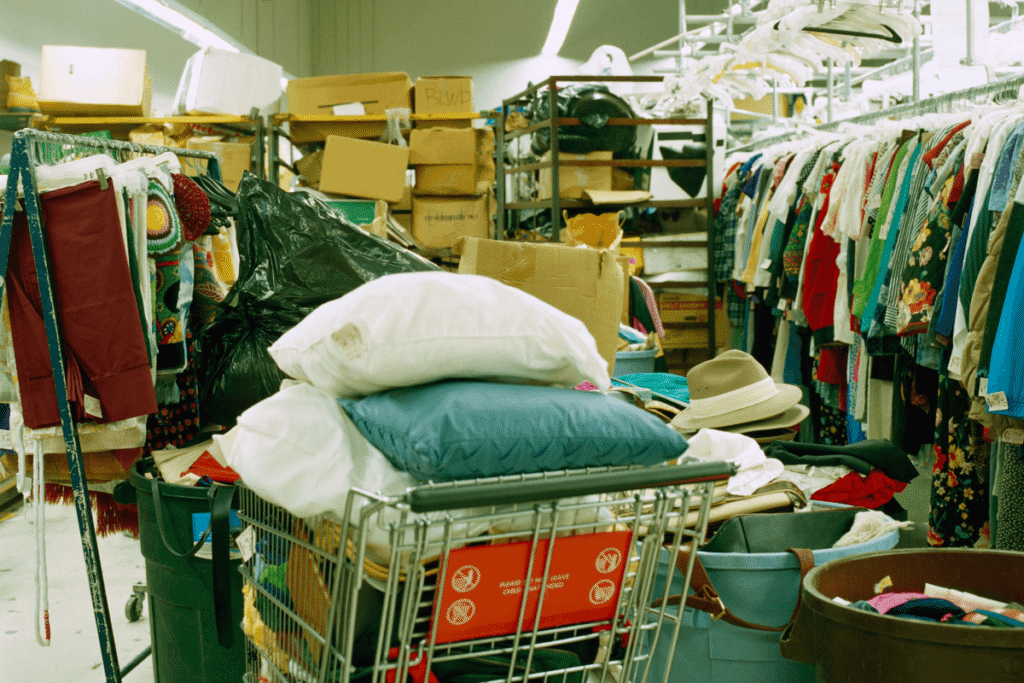
In most cases no, many thrift stores do not wash clothing before selling it, which is why it’s always important to clean items yourself after purchase. While some stores may inspect donations or follow basic handling procedures, laundering every item would be extremely time- and resource-intensive, especially given the volume of donations they receive daily.

do thrift stores wash clothes

This is one of the reasons why post-thrift care mentioned in this article matters so much, particularly as thrifting continues to grow in popularity with Gen Z and younger shoppers who value sustainability and affordability. With more people shopping secondhand, items move quickly from donor to rack to buyer, often without being washed in between.

That doesn’t mean thrifted clothing is unsafe, it just means the responsibility shifts to the buyer. You can wash thrifted clothes with other clothes after they have been properly cleaned the first time, although many people prefer to wash them separately for their initial wash to remove any lingering dirt, odors or residues. Washing, steaming, or treating items at home ensures your finds are hygienic and ready to wear, letting you enjoy thrifting confidently and safely.

Why Thrifting Is Good When Done Right

Thrifting offers a smart way to save money, reduce waste, and find unique pieces that fit your style. While secondhand clothes are affordable and stylish, it’s important to handle them safely to avoid potential health risks of wearing used clothes. Properly inspecting, cleaning, and treating your thrift wears ensures they are safe and ready to wear.

By following these steps, you get all the benefits of thrifting while protecting yourself. Thrifting is good when done thoughtfully. It’s sustainable, creative, and enjoyable, giving your wardrobe fresh, personalized pieces without compromising safety.

Make your thrifted clothing truly yours

Thrifting is about so much more than saving money. It’s about building a wardrobe that reflects your personality and your values. When you take the time to clean, repair, and tailor your fines, you’ll not only make them safe to wear, but give them a new life in your closet.

So the next time you ask whether you can wear clothes straight from the thrift store, remember you can, but you shouldn’t. These are the steps you can take to ensure that your “new to you” clothing is fresh and wearable and ready to shine.

Read More
By Joe Arduini
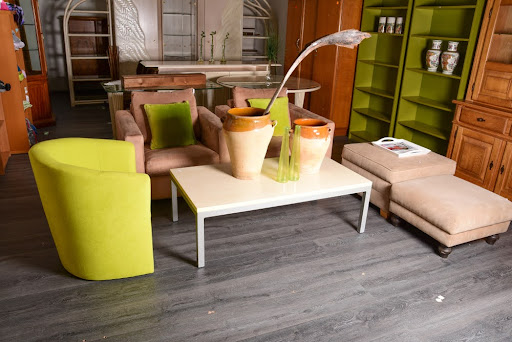
styled living room furniture and accents from secondhand items
Uncategorized
September 4, 2025

Tips for Thrifting for Home Decor

Over the years, home decor thrift shopping has evolved from a niche hobby into a fully fledged interior design strategy. You could be finishing a brand new home, looking to refresh your current space, or just trying to save money without sacrificing on style.

No matter which way you look at it, thrift store Home Decor can provide creative and affordable solutions for you.

In this guide, we’re going to look at some tips for thrifting that will help you to design both interior and exterior spaces in your home with charm, personality, and a unique flair for something different.

Why choose thrift store home decor?

Most people think that thrift shopping is just about saving money, but it’s not. Of course it’s a huge bonus, but it’s also a sustainable and rewarding way to find one-of-a-kind pieces that are not available in the big box stores anymore.

It’s a good way to repurpose and upcycle items to fit your taste and reduce waste and support sustainability. You get a chance to add vintage charm and character to your living spaces and stretch your decorating budget without compromising on your style.

Plus, it’s super fun. There is a thrill in the hunt and the satisfaction of finding a $5 treasure that transforms your entire space.

7 Thrifting Tips For Home Decor

1. Start with a vision, but keep an open mind

Before you go to your local thrift shop, have an idea generally of what you’re looking for. Are you decorating a specific room? Do you have a current aesthetic or vibe that you want to achieve? Are there colour schemes that you’re working with specifically? You can bring inspiration with you, such as Pinterest boards, Instagram posts or magazine clippings, but also stay flexible. One of the golden rules of home decor thrift shopping is to expect the unexpected! One of the perfect items you find may not be what you originally envisioned, but could absolutely set off the space.

2. Know what to look for

Thrift stores can be overwhelming, but knowing what items are worth the hunt makes your trip more efficient and enjoyable. There are some high value thrift decor fines and these include:

  • Picture frames that are easily repainted or refinished to match your theme.
  • Mirrors that are often high quality and decorative. They can make the smaller rooms feel large.
  • Vintage lamps and light fixtures. A quick rewire or a new lampshade can modernize something old.
  • Vases, jars and vessels. These are great for shelf styling or floral arrangements.
  • Art and wall decor, which are sometimes quirky, sometimes surprisingly valuable.
  • Small furniture, night stands, coffee tables, side tables. These are easy to refinish or repaint.
  • Baskets and trays that are ideal for organization and layering texture.

Of course, in thrift stores, there are some items that you do need to be careful with. Upholstered furniture could be difficult due to potential allergens or pests, so they need to be inspected and cleaned thoroughly. Items with water damage, mold, or a persistent odor also need to be looked at. If you’re going to get electronics, you need to be very careful unless you’re prepared to test and possibly repair them.

3. Visit the thrift shop often and shop strategically

Thrift stores have a constantly rotating inventory. If you go often, you’ll increase your chance of finding exactly what you want. If you shop midweek, you’ll be able to find more because weekends are often picked over. 

You could ask the team at the shop about restocking schedules so you can time your visits for new arrivals. You could even sign up for loyalty programs or e-mail lists because many thrift stores offer sales or coupons to new people.

The best part is that you can visit multiple types of stores. Traditional thrift stores, estate sales, flea markets, and more. There are even garage sales out there.

4. Go beyond the obvious

Being creative in your thinking is one of the most rewarding aspects of a thrifted home decor piece. Ask yourself whether it can be repainted, repurposed, or reupholstered. Could this object serve a different function? Could it become outdoor decor with a weatherproof sealant? Vintage ladders could be turned into a blanket rack or a plant stand. Ornate silver trays could be used as wall art or catch all trays.

5. Carefully inspect everything

Just because something is a bargain doesn’t mean it’s a good find. Take time to check for cracks, missing parts, or loose joints. Plug in the electronics or lamps before you buy, just in case. Examine for smells, water damage, or mold. These are things that you need to be doing for every piece of furniture or electronics you buy in a thrift store.

6. Bring the essential tools

Stay prepared on your thrift adventures with a mini Decor toolkit. You’ll need a measuring tape to know whether or not things will fit in your space. It helps to bring paint and fabric swatches so that you can match or coordinate items. You can also bring a notebook or an app to track dimensions, shopping lists, and style ideas.

7. Mix the old with the new

Thrift store home decor doesn’t mean your entire house has to be second hand. In fact, mixing old and new as a core interior design tip that adds depth and richness. You compare your thrifted fines with Modern furniture or lighting for contrast, new textiles like curtains, rugs or throw pillows, fresh paint to unify different styles or eras. This is a balanced approach that keeps your space feeling curated, not cluttered.

Home Decor Thrift shopping is so much more than a budget friendly way to decorate. It’s an opportunity to express creativity and embrace sustainability at the same time. With the tips we’ve given you, you’ll be well equipped to turn off, turn the cast offs into cherished focal points and create spaces that reflect your style.

Read More
By Joe Arduini
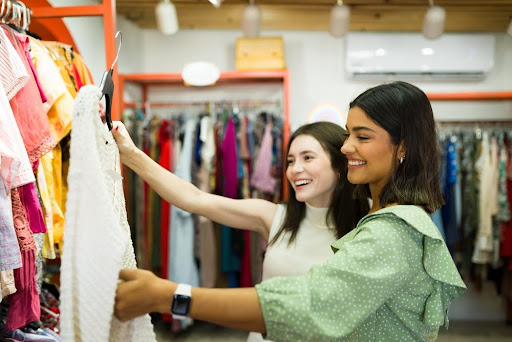
Young women holding up a piece of clothing to look at from a thrift store rack
Uncategorized
July 29, 2025

Thrift Store Etiquette

Whether you’re a seasoned thrifter or just getting started, how you behave in a thrift store affects everyone around you. From respecting other shoppers to being mindful with your cart, following a few basic thrift store commandments can go a long way toward making the experience better for everyone.

Here are some simple but meaningful ways to shop secondhand respectfully.

Respect Personal Space

Thrift stores can get crowded, especially when new stock hits the floor or during weekend rushes. Give other shoppers some breathing room while browsing, and avoid reaching over or around them to grab something.

If someone is already looking through a rack or shelf, wait your turn or politely ask if they’re finished. Nobody likes being elbowed out of the way for a $5 jacket!

If you spot something interesting near another person, keep a little distance and wait for them to move before jumping in.

Only Add Items to Your Cart If You’re Serious

It’s tempting to grab everything that might work and decide later, but thrift stores aren’t big-box retailers. When new inventory comes out or space is tight, holding on to a pile of “maybes” for too long can prevent others from getting a fair shot at something they might love.

A good rule of thrifting etiquette is this: only add items to your cart if you truly plan to buy them, or at least try them on quickly. Hoarding racks of clothing, furniture, or decor clogs up the flow and creates tension, especially during busy times with lots of shoppers in the store.

Don’t Hover Over New Racks

Yes, we all love seeing what just came out. But when staff roll out fresh inventory, give them space to place items and move away before swarming the racks.

Being polite and patient to employees goes a long way. Crowding or snatching things off the cart while they’re stocking is not just bad manners, it can also make their job harder. Let the team finish, then browse. You’ll still find great items and you’ll help keep things running smoothly.

Go Easy on the Haggling

Unlike flea markets or private sales, most thrift stores are non-profits or charities that rely on fixed pricing to fund their programs. Unless a sign says otherwise, prices are usually final and are not meant to be haggled.

That means it’s best not to over-negotiate or ask for discounts unless there’s a clear reason (like visible damage). If you’re buying several items, you can ask politely if there are any promotions, but keep it respectful and understand that the answer may be no.

As a reminder, many thrift store prices are already incredibly low. Paying full price helps support the mission behind the store, whether that’s funding local programs or providing jobs, meals, and essential services to those in need. Remember that your purchase goes beyond the item; it helps strengthen the community and keeps valuable resources out of landfills.

Treat the Store Like a Shared Space

Thrift stores are community spaces. That means it’s on all of us to keep them tidy and welcoming.

  • Hang up or fold items you decide not to buy
  • Don’t leave clothes on the floor or shelves in disarray
  • Don’t stash items in random spots around the store just in case you might buy it

This makes the staff’s job easier and the experience better for the next shopper.

Be Kind to Staff and Volunteers

Many thrift stores are run by volunteers or non-profit teams who are doing important work, and they often have limited resources. A little kindness goes a long way.

Say hello, and say thank you. And if something’s missing a price or out of place, let them know politely rather than getting frustrated. Remember that you’re not just supporting a store; you’re supporting a mission.

Limit Loud Phone Calls or Disruptive Behavior

Thrifting should be enjoyable for everyone. Try to keep noise levels down by limiting speakerphone calls, loud conversations, or bantering with friends in the aisles. It may be fun for you, but it can make the space stressful for others who are trying to shop peacefully.

If you’re calling a friend or partner for a second opinion on an item, that’s totally fine; just remember to step aside or keep the volume low.

Think About What You Leave Behind

Thrifting isn’t just about what you find; it’s also about what you contribute. If you’re cleaning out your closet, consider donating your gently used clothing before your shopping trip.

By doing this, you’re helping keep the cycle going: making room for new stock, supporting the store’s cause, and giving others the chance to find something special.

And if you live in Texas, Utah, or Missouri, Eco-Spot offers convenient donation bins and free pick-up scheduling to make donating easier than ever.

Support the Cycle

One of the best ways to give back while thrifting is to donate regularly. If you’re clearing space for new finds, set aside items you no longer wear or use. Donating before you shop helps maintain balance at home and supports the sustainability cycle that thrift stores rely on.

At Eco-Spot, we make it easy with donation bins across Texas, Utah, and Missouri and free pick-up in select areas. Whether you’re shopping or giving, you’re part of a movement that values reuse, reduces waste, and uplifts local communities. That’s something worth being part of.

Remember to Thrift With Kindness

Thrifting is fun, affordable, and eco-friendly, but it’s also a shared experience. By following these thrifting etiquette tips, you’re helping create a positive atmosphere for other shoppers, staff, and the organisations behind the store. So next time you hit your local thrift, remember these simple thrift store rules:

  • Be respectful
  • Be intentional
  • Be generous

The more thoughtfully we shop, the better the experience is for everyone–and that’s something worth holding onto.

Read More
By Joe Arduini
couple and their daughter looking at a school backpack in a store
Uncategorized
July 16, 2025

Thrift Shopping for Back to School Essentials

Back to school season doesn’t just mean new classes and fresh notebooks–it also often comes with a hefty price tag. Between clothing, backpacks, dorm supplies, and electronics, families and students can end up spending hundreds before the first day even arrives.

But here’s the good news: thrift shopping back to school can save you serious money and help you find unique, high-quality items you can’t get off a big-box shelf. Whether you’re shopping for your child or going back to school shopping for yourself as a high school or college student, thrift stores offer a sustainable, budget-friendly alternative that still gets you everything you need.

Here’s your straightforward guide to making the most of back-to-school thrift shopping including what to look for, how to shop smart, and why secondhand is a win for your wallet and the planet.

Why Choose Thrift Stores for Back to School?

Thrift stores have come a long way in recent years. Today, you can find everything from barely-worn designer clothes to brand-new school supplies, all for a fraction of retail prices. And since thrift stores receive new donations daily, the selection is always changing, meaning there’s always a chance to uncover a hidden gem.

Benefits of thrift shopping back to school include:

  • Huge savings on essentials like clothing, shoes, and accessories
  • One-of-a-kind items that help students express their personality
  • Support for community programs (most thrift stores fund local charities or non-profits)
  • Reduced environmental impact, since you’re keeping clothing and goods in use and out of landfills

Shopping for the back to college season

Whether you’re shopping for a first grader or a college freshman, thrift stores are packed with useful finds for back to school. Here’s what to look for:

Clothing and footwear

Kids grow fast, and trends change even faster, which is why it rarely makes sense to pay full price for school clothes. Thrift stores are full of:

  • Jeans, khakis, and uniform-friendly basics
  • Graphic tees, sweatshirts, and hoodies
  • Jackets and cold-weather gear
  • Shoes, sneakers, and boots (often gently used or new)
  • Gym clothes and athletic wear

Older students can also find items for interviews, internships, or presentations like blazers, dress shirts, and slacks, all without spending department store prices.

Backpacks and bags

Durable backpacks are a thrift store staple. Many shops carry top brands and barely-used bags that have been donated simply because of style changes or slight wear. Look for:

  • Padded straps and compartments
  • Sturdy zippers
  • Built-in laptop sleeves for college students

Dorm room essentials

If you’re heading off to college, you’ll need more than notebooks. Thrift stores are great for:

  • Bedding, blankets, and pillows
  • Lamps and desk accessories
  • Storage bins and laundry baskets
  • Kitchen basics like mugs, utensils, or mini-appliances

Remember to always wash or sanitise these items before use, especially fabric goods.

Books and supplies

While school supplies like new pencils and notebooks are often cheaper at discount retailers, thrift stores sometimes carry:

  • Binders, folders, and stationery
  • Art supplies and sketchbooks
  • Gently used books, including required reading for high school and college
  • You might even find used textbooks which are always worth checking before buying new.

Outerwear and seasonal items

Thrift stores are ideal for jackets, scarves, gloves, and rain gear. Don’t wait until the last minute; shop off-season for the best deals and availability.

How to Thrift Smart for Back to School

Thrift shopping requires a slightly different strategy than shopping new. Here’s how to make it work for you:

  • Start with a list: It’s easy to get overwhelmed by the options, so make a checklist of what you need before you shop.
  • Shop early and often: Thrift store stock changes frequently. The best items go fast, especially during back to school season. Start early, and plan to visit more than once if possible.
  • Inspect before you buy: Always check for stains, missing buttons, broken zippers, or signs of wear. Most stores don’t offer returns, so make sure each item is usable and worth the price.
  • Try things on: Sizes can vary wildly depending on the brand or era. If fitting rooms are available, use them. If not, bring a tape measure or compare items to something that fits well.
  • Have fun with it: Thrift shopping is part treasure hunt, part creativity challenge. Encourage kids or teens to pick items that reflect their style as they’ll be more excited to wear them, and you’ll avoid back-to-school shopping arguments.

Donate What You No Longer Need

Before you head out to shop, consider doing a quick wardrobe clean-out. If your child has outgrown their clothes, or if you’ve moved on from old college supplies, it’s the perfect time to donate.

At Eco-Spot, we make it easy to pass on gently used items. Our bins across Missouri, Texas and Utah are ready to accept clothing donations, and we even offer free pick-up in select areas.

By donating and shopping secondhand, you’re helping to close the loop by reducing waste and keeping perfectly good items in circulation.

Back to School on a Budget Without Sacrificing Style

The truth is, most of what students need for back to school doesn’t need to be brand new. Clothes are outgrown, supplies are lost, and styles change with each semester. Thrift stores let you cover the essentials while spending less and wasting less.

It’s one of the smartest, most sustainable ways to shop, whether you’re preparing your kindergartener for their first day or setting yourself up for a successful semester at college.

Thrift shopping back to school isn’t just a budget-friendly move–it’s a smarter, more intentional way to prepare for the year ahead. You get to skip the crowds, spend less, and still walk away with high-quality, useful items that make the school year a little easier. Plus, by choosing secondhand, you’re helping reduce the environmental impact of fast fashion and supporting local community programs.

So grab your list, bring a tote bag, and dive into the racks. You never know what you’ll find and how much you’ll save.

Read More
By Joe Arduini

Copyright © 2020 BigHearts by WebGeniusLab. All Rights Reserved