Thrift Town

  • Home
  • Locations
  • Contact
    • About Us
  • Donations
  • Join Our Family
  • Blog

Thrift Town

  • Home
  • Locations
  • Contact
    • About Us
  • Donations
  • Join Our Family
  • Blog
  • Home
  • Locations
  • Contact
    • About Us
  • Donations
  • Join Our Family
  • Blog

Thrift Town

Thrift Town

  • Home
  • Locations
  • Contact
    • About Us
  • Donations
  • Join Our Family
  • Blog
Author: Carmen Web
Home Articles Posted by Carmen Web
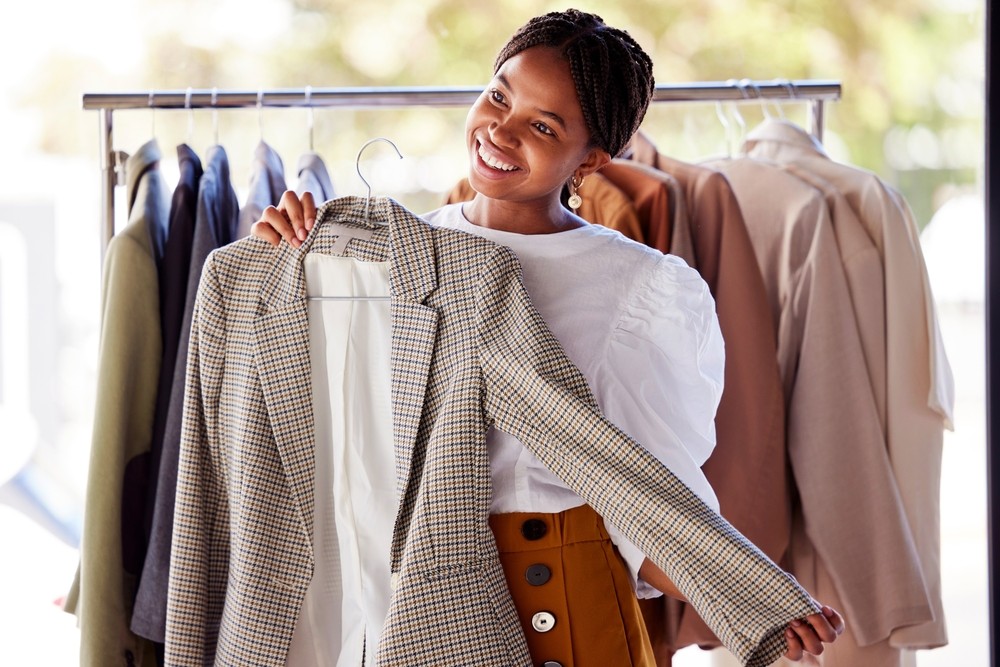
Woman holding up a blazer in front of her that she got off the clothes rack.
Uncategorized
July 3, 2025

Tips for Finding the Best Stuff While Thrifting

Thrifting is a unique shopping experience that can be rewarding especially when you find a beloved item you may not otherwise find in a traditional department store. If you’ve never been thrifting before – or find it super overwhelming and don’t know where to start – here are some of the best thrift store tips to help you find the perfect thrifted pieces.

Before You Head To The Store

Work Out Where and When To Go

Finding what thrift stores are worth your time is half the battle. Thrifting can be exhausting, so you want to narrow down the shops that will most likely have something you’re interested in. Spend some time researching the stores near you to work out what kind of stuff they have. If it doesn’t fit your vibe, then it might not be worth the visit. 

It’s also worth finding out the best time to go too. When does the shop restock? That’ll be when the stores are most full of stuff and you’re most likely to find a hidden gem before anyone else.

What Sort Of Things Are You After?

One of the best thrifting tips is to go in with some idea of what you want to find. It could be as vague as some furniture to fill your bedroom or a jacket to match a particular outfit. Going in with an idea of what you want will help you focus, as well as prevent you from wandering around the store aimlessly.

Start With The Things You Want

Once you’ve identified what items you want to get from your thrifting trip, start off in that area of the store. Focusing on what stuff you want to find will give you a goal for your trip, preventing that overwhelming feeling you can often experience in a thrift store if you don’t know where to start. If you find what you’re after or the store hasn’t got what you want, then you can start to look at other things you are drawn to. 

Keep An Open Mind

Sometimes, going into a thrift store completely blind is when you’ll end up with the best pieces. It can be quite rare to find a super specific item you’re after, like a red mini skirt. You’ll be better off and have more success if you keep whatever you’re after super open. You may be more likely to find a miniskirt you like, for example, but in a different color. 

Being more open-minded about what you’re looking for can allow you to be a bit more experimental and can help you to find more interesting, rarer pieces – that’s why it’s one of the best thrifting tips.

Divide And Conquer 

Searching through the endless racks of clothes can get exhausting and frustrating fast. Especially if you just start in a random area. You might even start to lose track of what you have gone through and what you have left to search – you want to leave no corner unturned to avoid possibly missing the best pieces. When stepping through the door, try to have a list of certain areas you want to visit. Once you’ve scoured those, then try slowly sifting through the areas left to maximize your time and opportunity to find something good. 

Maximizing Your Finds

When looking through the huge variety of items on offer, you need to be able to work out what is worth it and what really isn’t. Focus on looking for items that are high quality and well-made. You can find out by feel or check the items’ tags to see what they’re made of. You don’t want to bring an item home that ends up falling apart on its first wear.

Another way to maximize your clothing finds is to look at stuff that is not potentially your size. If you find an item you’ve fallen in love with but it doesn’t quite fit, is it possible to get it altered? Altering items can create the perfect fit for you as well as elevate the item’s appearance. You could get creative and even transform it into something new.

Things To Keep in Mind

Just Try Adding One Item At A Time

When you’re new to thrifting, it might be hard to integrate thrifted items into your everyday wardrobe. You can start by investing in one piece at a time to see if you can make things work. Thrifting isn’t just a trend; don’t go changing your entire wardrobe just to fill it with stuff you might find hard to work with and end up getting rid of everything else – this defeats the point of thrifting. It’s also super overwhelming to try to find a bunch of stuff in one go, so make sure you try to get that one item you really like when heading into the store..

If You Didn’t Get Anything, Don’t Be Discouraged

Sometimes it just doesn’t work out – and that’s okay! There will always be another time to visit and get some good stuff. Thrift stores get new stock all the time, so it’s always worth another trip on a different day or at another time; don’t be put off if you couldn’t find anything on your first visit. Sometimes, just visiting the stores and having a browse is a fun day out in itself, even if you don’t go home with anything!

We hope that you enjoyed this beginner-friendly guide to thrifting. It can be very intimidating stepping into a thrift store for the first time. There are endless racks laid out in front of you, and it can be tricky to work out where to start and how to end up with some really neat pieces. Even though thrifting can require some patience and persistence, you should now have a bunch of useful hints and tips to help you make the most of your next thrifting trip.

For more info, visit thrifttownstores.com to find your local store, check donation guidelines, and see how thrifting fits into a more sustainable future. It’s simple, it works, and it’s for everyone.
Read More
By Carmen Web
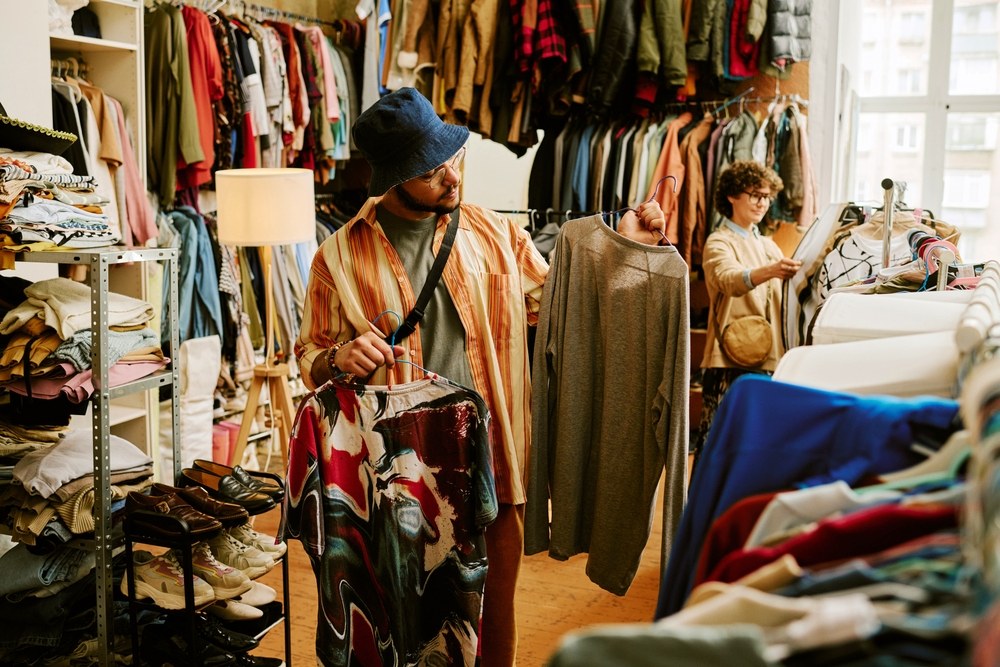
Man and woman looking at different pieces of clothing in a thrift store.
Uncategorized
July 3, 2025

What is Thrifting?

Thrifting is one of those things that means different things to different people. For some, it’s about saving money. For others, it’s the thrill of hunting down a vintage gem. And for more and more people, it’s become part of a sustainable lifestyle that pushes back against fast fashion and overconsumption.

But if you’re wondering what thrifting actually is, how it works, and how it’s different from just buying used clothes online, this post will break it all down.

Thrifting means shopping secondhand

At its core, thrifting is shopping for secondhand goods, usually at physical stores that collect donations from the public. Most people associate it with clothes, but thrift shops also carry home décor, furniture, kitchenware, books, and a lot more depending on the shop.

What makes thrifting unique is the setting. You’re not browsing a curated showroom or online shop. You’re walking into a store where everything was pre-owned, dropped off by someone else, and resold at a low price. It’s about finding value in what already exists.

How thrift stores work

Thrift stores usually get their inventory from donations. People clean out their closets, drop off items they no longer use, and the store sorts through it all. Some items go on shelves right away. Others might be cleaned or repaired first. A few things may be recycled or rejected if they’re damaged beyond use.

Prices tend to be low because the items are secondhand and often sold as-is. What the store earns often goes toward running costs or local community programs. Some thrift stores are tied to charities. Others are small businesses or community-run spaces.

Either way, the goal is the same. Take something someone no longer wants and get it into the hands of someone who can use it again.

Is thrifting the same as buying used?

It depends who you ask, but the short answer is this – All thrifting is secondhand shopping, but not all secondhand shopping is thrifting.

Buying secondhand includes thrifting, but also covers things like online resale apps, vintage boutiques, and consignment shops. These options might be more expensive or more curated. Some are focused on trends, designer labels, or high-quality used goods.

So while the items might all be pre-owned, the experience can feel very different.

Why people thrift

There’s no single reason why someone chooses to thrift. Some are drawn to the lower prices. Others want to support local shops. Many enjoy the hunt — you never know what you’re going to find, and that makes it exciting.

More recently, thrifting has become popular among people who want to cut back on waste. With fast fashion flooding the market and landfills overflowing, secondhand shopping gives clothes a longer life. It’s a way to shop without contributing to overproduction.

It also opens the door to more personal style. Thrift stores offer items from every era, trend, and brand. You can mix and match, experiment, and build a wardrobe that’s truly yours.

What you can find while thrifting

Every thrift store is different, but here’s what you can usually shop for at thrift stores:

  • Clothing for all ages and sizes
  • Shoes, boots, and accessories
  • Bags, hats, scarves, and belts
  • Home goods like dishes, mugs, cookware, and small appliances
  • Books, puzzles, games, and sometimes vinyl records or DVDs
  • Furniture, depending on the size of the shop
  • Décor like lamps, mirrors, vases, or holiday items

Some stores specialize more than others. A smaller shop might focus only on clothes. A bigger location might feel like a mini department store. The fun is in the variety.

Tips for your first trip

If you’ve never thrifted before, here are a few things to keep in mind.

  1. Go with an open mind. Thrifting isn’t like regular shopping. You probably won’t find exactly what you want right away, but you might stumble on something even better.
  1. Take your time. There’s usually a lot to sort through, and it isn’t always organised like a big chain store.
  1. Check the condition. Look for stains, rips, missing buttons, or broken zippers. A small flaw isn’t a dealbreaker if you’re handy, but it’s good to know what you’re getting.
  1. Try things on if you can. Sizes vary a lot between brands and decades. A size medium from the 90s won’t fit the same way as a modern one.
  1. Visit often. New items come in all the time, so if you don’t find anything today, try again next week.
  1. Bring your own bag. Many thrift stores skip plastic bags to stay eco-friendly.

Why thrifting matters

Thrifting is more than just shopping on a budget. It’s a way to reduce waste, lower your carbon footprint, and push back against disposable culture. Every item you buy secondhand is one less item being made new. That saves water, energy, and raw materials. It also keeps clothes out of the landfill and extends their lifespan.

On top of that, thrifting supports small businesses and community efforts. Many stores use their profits to fund food banks, shelters, job training programs, and more. So your purchase often helps more than just the planet — it helps people too.

And let’s not forget about creativity. Thrifting gives you the freedom to try styles that aren’t in stores anymore. You can upcycle, customize, and experiment without spending a fortune.

Thrifting means buying pre-owned goods, usually at a local shop that relies on donations. It’s affordable, eco-friendly, and endlessly full of surprises. Whether you’re looking to save money, reduce waste, or just find something unique, thrifting makes it possible.

It’s different from typical secondhand shopping in that it’s local, donation-based, and often more casual. There’s no pressure to follow trends. No need to spend a lot. And no downside to giving things a second life.

So if you’ve never given it a go, start now. Head to your nearest thrift store and see what you can find. And when you’re ready to let go of things you no longer use, drop them off and keep the cycle going.
For more info, visit thrifttownstores.com to find your local store, check donation guidelines, and see how thrifting fits into a more sustainable future. It’s simple, it works, and it’s for everyone.

Read More
By Carmen Web
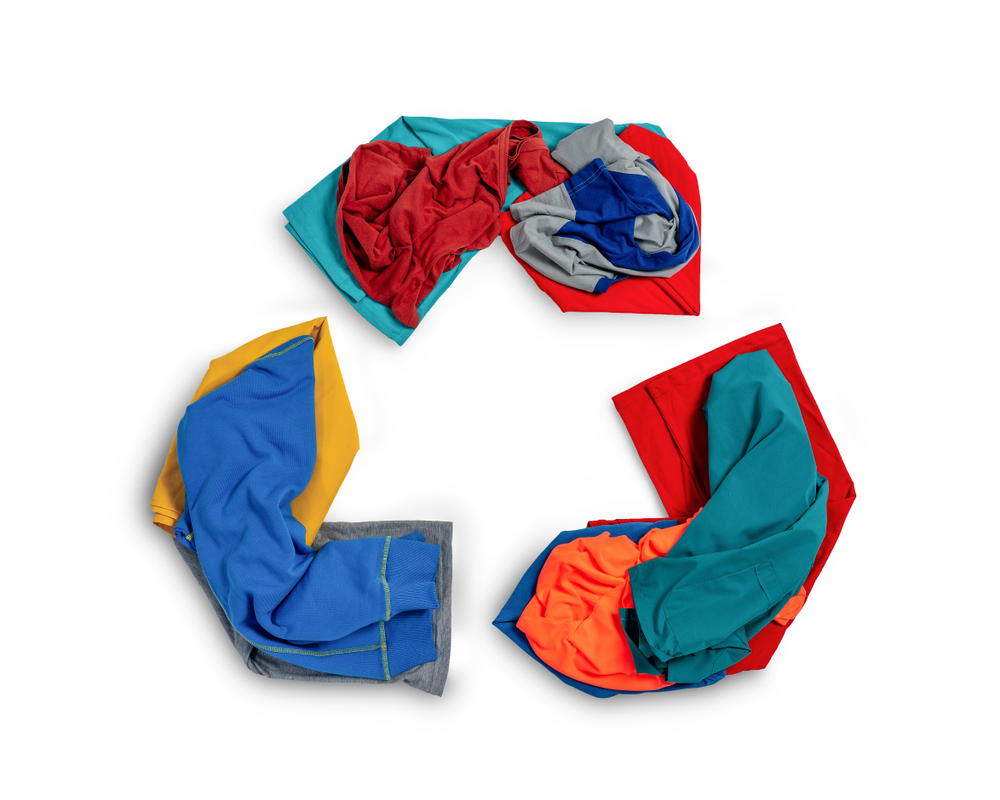
Clothes organized in the shape of a recycling logo.
Uncategorized
July 3, 2025

How Does Thrifting Contribute to Sustainability?

Thrifting might seem like just a fun way to save money or find something quirky to wear, but it’s doing a lot more behind the scenes. Every time you choose secondhand instead of new, you’re doing your part to cut down on waste, save resources, and support a more sustainable way of living.

So how does shopping and donating at your local thrift store really help the planet? Here’s a full breakdown of what’s going on under the surface.

It keeps perfectly good clothes out of the trash

Let’s face it. Most of us have clothes sitting in the back of the closet that we’ll never wear again. But the sad part is that a huge amount of clothing ends up in landfills, even when it’s still wearable. In the United States alone, we’re talking millions of tons every single year.

When you donate your clothes instead of tossing them, you give them a second chance. And when someone else picks up that old hoodie or pair of jeans, that’s one less item heading for the dump. It may not feel like much, but it adds up fast and lowers your carbon footprint.

It helps slow down fast fashion

Fast fashion thrives on constant newness. Stores churn out new trends every week, and we’re encouraged to keep buying whether we need it or not. But most of these clothes aren’t made to last. They’re low quality, mass-produced, and often worn just a few times before they fall apart or go out of style.

Thrifting cuts into that system. Choosing used instead of new means less demand for cheap, disposable fashion. It sends a message that we don’t need a brand-new outfit every season and that style can come from creativity, not constant consumption.

It saves a huge amount of resources

Making clothes from scratch takes a lot more than people realise. Growing cotton, dyeing fabrics, running factories, and shipping products around the globe burns through water, electricity, fuel, and raw materials. Just one t-shirt can take over 2,000 litres of water to produce.

Buying something secondhand skips all of that. You’re not tapping into any new resources. You’re simply using what already exists. That’s a big win for the planet, especially when millions of people start thinking the same way.

It cuts back on pollution and emissions

Fashion is one of the biggest polluting industries in the world. Factories release chemicals and dyes into waterways. Shipping new clothes overseas burns through fossil fuels. And when synthetic fabrics break down in landfills, they release harmful gases like methane.

Choosing to thrift helps reduce all of that. When you reuse instead of buying new, you’re avoiding the pollution that comes with manufacturing. Donating clothes helps too. Instead of ending up in a landfill, your stuff gets a new life in someone else’s wardrobe.

It keeps clothing in the loop

Most of us buy something, wear it for a while, then throw it away. It’s a one-way system that creates endless waste. Thrifting changes that by creating a loop. Clothes stay in circulation instead of being tossed the second they’re no longer trendy or useful to one person.

This kind of circular system is one of the keys to a sustainable future. It works on a simple idea: keep things going for as long as possible. Whether it’s a winter coat, a baby onesie, or an old band tee, if it’s still wearable, it still has value.

It helps you avoid supporting unethical brands

The reality behind many fast fashion brands isn’t pretty. A lot of clothes are made in factories where workers are paid poorly and treated unfairly. But when you shop secondhand, your money doesn’t support those systems.

Instead, it often goes to local thrift shops that give back to the community. Some fund job programs, others support charities, and most operate on tight budgets. Your money goes further when it stays local and ethical.

It encourages slower, more thoughtful shopping

One of the great things about thrifting is that it naturally slows down the shopping process. You’re not just mindlessly filling an online cart. You’re searching, checking fabric tags, trying things on, and making sure something really works for you before buying it.

This approach helps you think more clearly about what you actually want. You’re more likely to buy what you need and wear it often. You’re also less likely to get swept up in short-lived trends or impulse buys. That kind of awareness can change your whole relationship with fashion.

It opens the door to creativity and upcycling

Thrift stores are full of possibilities. That oversized shirt could be cropped into something trendier. A basic dress could be dyed, patched, or styled in a dozen different ways. Thrifting lets you experiment, get creative, and build a wardrobe that actually reflects your personality.

Even if you’re not into sewing or DIY, secondhand clothes offer a kind of freedom. You’re not stuck with what’s on the shelf this season. You get to dig, discover, and wear things your own way.

It makes sustainable fashion affordable

Let’s be honest. A lot of eco-friendly brands are expensive. Not everyone can afford to spend a hundred dollars on a single shirt, no matter how ethically made it is. That’s where thrift stores shine.

You can shop secondhand on almost any budget. And you still get the benefits of reducing waste and saving resources without breaking the bank. It makes sustainability something real people can actually take part in — not just those with extra money to spare.

Thrifting is one of the simplest ways to make a positive impact on the environment. It reduces landfill waste, slows down overproduction, saves resources, and supports a circular way of thinking. It also helps you build better habits, avoid unethical brands, and explore your own style in a more meaningful way.

And the best part is, it’s easy. You don’t have to be perfect or make huge changes. Just buying one item secondhand instead of new can make a difference. And when you donate your old clothes instead of throwing them out, you’re helping someone else do the same.If you’re ready to start, head to thrifttownstores.com and find your nearest location. You can donate your gently used clothes, browse the racks, or just get inspired to start shopping differently. Every choice counts — and this one couldn’t be simpler.

Read More
By Carmen Web
Out-of-focus isles and wall displays in a thrift store.
Uncategorized
July 3, 2025

What you should always buy at Thrift Stores

Are you thinking about visiting a thrift store? These are great places to pick up items you will adore at a far lower price while giving back to a great cause. There are thousands of thrift stores across the country and one probably far closer than you might think. So, let’s look at some of the best items that you should specifically look at buying when visiting a thrift store and why this is a smart choice. 

Books

There are a few reasons why books are worth shopping for at thrift stores. With books, you might be able to find different titles that you won’t be able to discover on Amazon or even at your local book store. They could also be different prints of books that you already love or even books your kids might need for school. A fresh print can bring a story to life in new and exciting ways. 

Accessories

Another option worth thinking about is shopping for accessories. There are two types of accessories that you could look for at a thrift store. The first is furniture accessories or home accessories. These are great because you can find unique items that won’t be available anywhere else. You can give your home an exciting new style with truly unique features. Top interior designers shop at thrift stores all the time to ensure that their designs have a unique edge. 

Alternatively, you could also shop for personal accessories. These little things are a great way to accentuate your personal style and ensure that you stand out more. 

Artwork

Similar to home accent pieces, you can find some unique artwork at thrift stores that is a departure from racks of reprints at the department store. Don’t think too much about the value of these pieces. Instead, try to focus on how a piece of art like this makes you feel and whether it fits in with your own personal home style. 

Clothing

Another option worth considering buying from a thrift store is clothing. This is a great way to get some fantastic vintage or retro items that will look great as part of your wardrobe. You’re certain to find some unique possibilities here that will look fantastic on you. It’s a great way to ensure that your wardrobe feels fresh and totally unique to your personal style. When choosing items like this, make sure that you check the quality first. You should avoid picking up items that are ripped or stained. The good news here is that thrift stores often have quality checks in place so you should never find this an issue. 

Collectibles 

Collectibles

Regardless of what you collect, you may be able to find a unique addition at your local thrift store. As already mentioned, you might find items that are worth more than you bargained for at a thrift store. Or, you could simply discover the one thing that you need to complete your collection. 

Upcycling 

It’s worth noting that not everything you find at a thrift store will be suitable for your needs. However, you might find that there’s something that you can use for upcycling. This is the process of transforming one thing into another and giving it a brand-new, practical purpose that fits well with your specific needs. There are lots of different options when it comes to upcycling. For instance an old pair of shoes could make a funky plant pot. It’s just one possibility to consider when you are shopping at different thrift stores. 

Physical media 

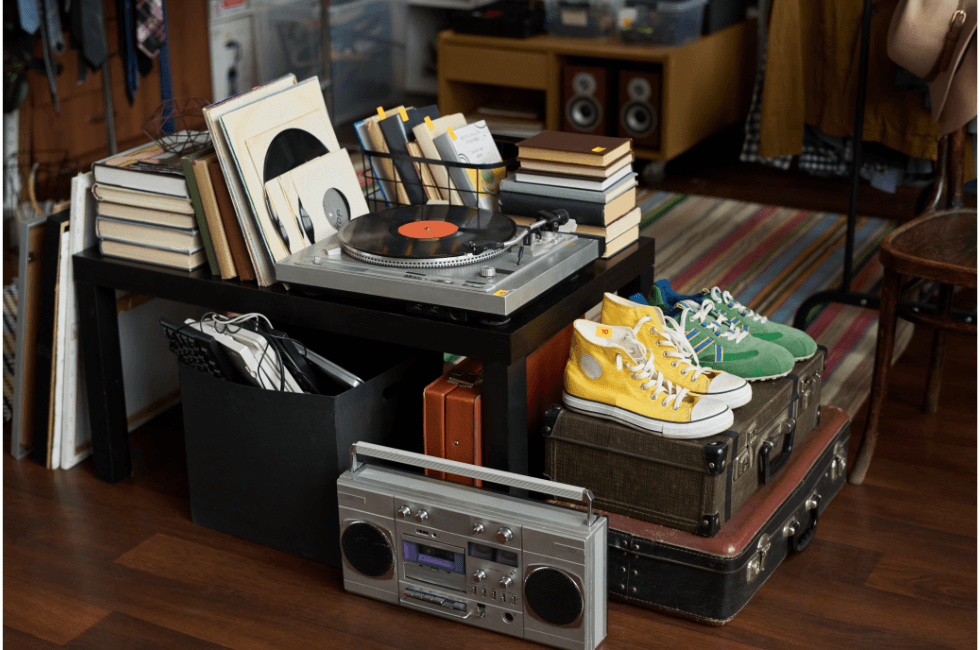
Physical media is absolutely worth shopping for at a thrift store. What do we mean by this? Well, anything from CDs, to LPs, DVDs, Blu-Rays, and more. Physical media like this is quickly becoming far more rare on the market. In the past, there were copies of different titles in stores across the US. These days, if you want the latest film on a hard copy, then you need to buy online, usually from Amazon. That’s because there’s only a couple factories left that are still making them and selling them to suppliers. As such, if you want some of the best titles on physical media, then a thrift store might soon be one of the only options. It’ll also be significantly cheaper than buying them from a store online. They could even be viewed as collectors items at some point in the future as tech junkies maintain that they provide a better image and sound.

Furniture

Furniture is one of the biggest reasons people visit thrift stores. Whether you’re furnishing your first apartment, replacing a worn-out piece, or looking for something with more character, you can often find quality furniture for a fraction of the cost of buying new. Solid wood tables, dressers, bookshelves, chairs, and coffee tables are all common thrift store finds, and many older pieces are built to last longer than some modern alternatives.

When shopping for furniture, take a few minutes to inspect each item for structural damage, loose joints, or signs of pests. Minor cosmetic imperfections like scratches or faded finishes are usually easy to repair with a little DIY work. A fresh coat of paint, new hardware, or refinishing can completely transform a thrifted piece into something that looks custom-made for your home.

Home Decor

If you’re looking to add personality to your living space, thrift stores are an excellent place to shop for home decor. You can often discover decorative mirrors, lamps, vases, baskets, picture frames, candles, seasonal decorations, and other unique accents that help make your home feel more inviting. Because donations are constantly changing, every visit offers the chance to find something different.

Shopping for home decor at a thrift store also makes it easier to experiment with new styles without spending a lot of money. You can mix vintage pieces with modern furniture, create an eclectic look, or simply update a room with a few affordable accessories. Small decorative items are an easy and budget-friendly way to refresh your space while giving pre-owned items a second life.

Jewelry 

Jewelry

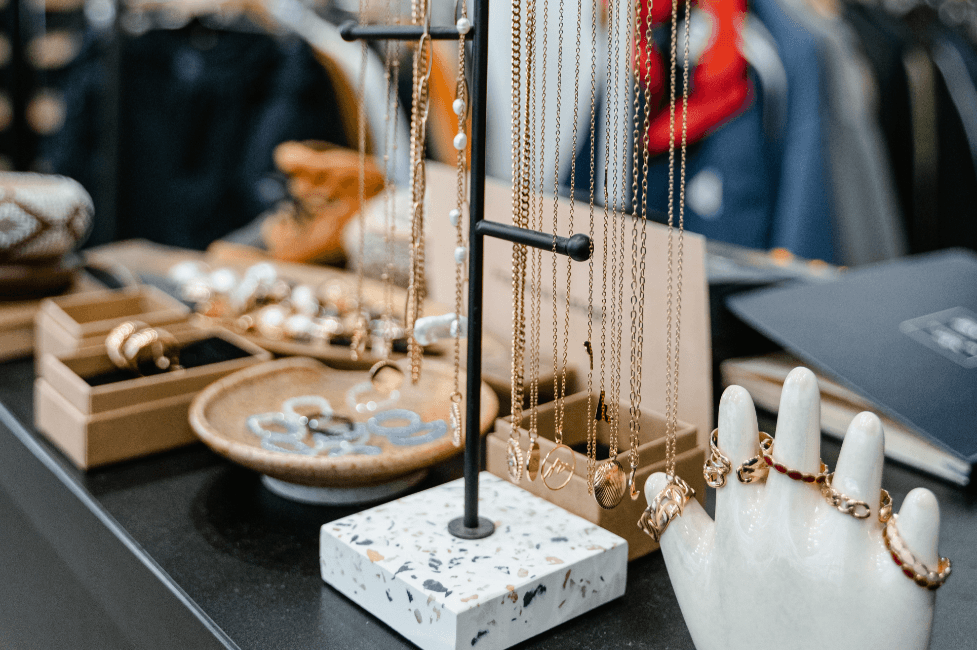
Finally, you should absolutely consider purchasing jewelry from a thrift store. You could find items such as vintage necklaces or watches. If you’re really lucky, these could have been donated without someone realising their true worth. However, at the very least, you’ll probably pick up an item that has an interesting story or two attached to it. It’s also another way to refresh your fashion and help ensure that you stand out with a brand new style that is virtually impossible to replicate. 

We hope this helps you understand some of the key items that you should take if you are planning to shop at a thrift store in the future. Whether you’re looking for your next great read, a wonderful fresh accessory, or a refresh of your existing wardrobe, there are so many possibilities to explore here.

For more info, visit thrifttownstores.com to find your local store, check donation guidelines, and see how thrifting fits into a more sustainable future. It’s simple, it works, and it’s for everyone.
Read More
By Carmen Web

Copyright © 2020 BigHearts by WebGeniusLab. All Rights Reserved