
How Thrifting Supports Local Communities
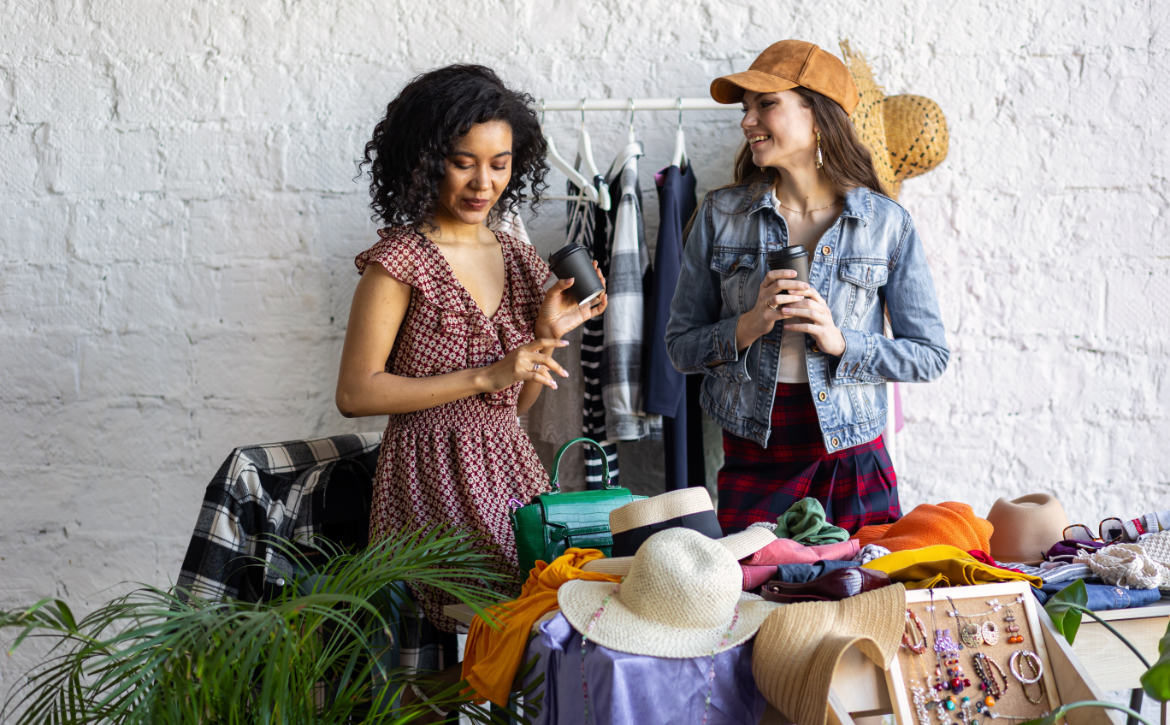
Thrifting has become a popular way to shop and curate fashion. While this seems like a recent trend, thrifting has a long and interesting history that is worth exploring. As people become more conscious of what they consume, sustainability and how they can support local businesses, there is no wonder that thrifting is thriving.
One of the main reasons why thrift shops are popular with Gen Z and people from all ages is that they offer affordable shopping options. However, they offer a lot more to local communities than affordability. While this is a huge benefit and reason, thrift stores have a far-reaching impact that goes beyond money. From supporting charity programs to crafting community spirit, thrift stores play an important role in many neighborhoods.
To help you understand just how beneficial thrift stores are, here are just some of the ways that they support the local community.
Boosting the local economy
Local communities are positively impacted by thrift stores through the economic impact they provide. This is one of the most tangible ways a thrift shop is supportive. When you shop in a thrift store, you contribute to the local community.
You create more jobs for people, as the store requires full-time and part-time help to manage the day-to-day operations of the store, including collecting donations, sorting donations, pricing items, serving customers and overall maintenance of the store. Typically running as nonprofits, thrift stores help individuals with work, especially if they face challenges.
Money is then circulated through the community and indirectly supports other businesses in the local community. Many thrift stores source their supplies from local communities, while encouraging customers to spend their money in other local stores.
Raising funds for charities and community programs
As most thrift stores are run by nonprofits, a good portion of the revenue goes towards charitable causes and local programs. This is the main goal and focus of the stores. These causes tend to be ones that support the local community, such as with shelters, food banks, mental health initiatives and youth programs.
Creating a sense of community
Thrift stores, while offering an abundance of second-hand items for people to purchase, also serve as community hubs. People are known to create connections in these spaces, which can help to build a stronger, friendlier community. It positively impacts the sense of belonging and the way residents relate to one another.
Volunteers are the backbone of these charitable causes, which offers individuals within the community to help and to give back. This creates a sense of purpose and overall a positive atmosphere within a community. New skills are developed, and friendships are forged. This can have a positive ripple effect.
Many thrift stores have a secondary purpose of gathering spaces. Beyond the business nature of the shop, they often provide a space for friends and neighbors to spend time together, chat and exchange ideas. In smaller communities, more often than not, thrift stores offer collaborations with charities, such as coffee mornings or board game evenings. They become a place where people from all backgrounds can come together and interact in a safe and supportive environment. This creates a strong community.
Encouraging sustainability and reducing waste
One of the major benefits of thrift stores is the environmental impact overall, but also within a local community. The presence of thrift stores helps to raise awareness of the impact of waste on local environments as well as provide a space for people to get involved in better, more sustainable practices. Thrift stores enable the local community to donate items that someone else can benefit from at a low rate, which supports local causes.
With the wide range of items available, including branded and high-quality items, it has become more appealing to people to shop second hand rather than investing in companies with bad ethics. This investment helps shoppers to contribute to the circular economy and divert items from landfills. It can be rewarding to know that you are doing your part and donating items and buying secondhand. Items are a lot more affordable for people, and can be given a second life.
The collective carbon footprint of the community is lowered, with fast fashion and mass production becoming more concerning by the day. This creates less strain on natural resources and helps communities become more sustainable as they reduce their impact on the planet.
Offering affordable items for everyone to access
One of the primary reasons thrift stores are used is due to their affordability. For individuals or families who are facing financial challenges, thrift stores can provide a place for people in the community to feel safe and welcome. They are able to purchase anything from furniture and household items to clothing, at a fraction of the cost of new items.
Thrift stores create an inclusive community economy where anyone, on any budget, has the chance to thrive and make an impact.
Building logical identity and pride
Thrift stores can reflect the uniqueness and the character of the different communities that they serve. Whether through the causes they support, the items they have available, or the way they engage with the local people, thrift stores can craft a sense of pride and identity within a community.
Thrift stores can often specialize in locally made crafts and vintage clothing, sharing the past and present of the community. The culture of the community can be preserved through thrift stores, and their history can be celebrated. Visiting a thrift store in Richardson might give you a different experience than a local thrift store in San Antonio.
Community events are popular with thrift stores, and often include community support such as fashion shows with vintage clothing, educational workshops, art and creativity classes and community clean-ups. These events can bring communities closer together, strengthen their bonds and encourage social responsibility. When people care about other people in the community as well as the environment, it creates an unmatched, thriving local community.
Thrift stores offer affordability and accessibility to everyone, regardless of social status, budget or circumstances. However, they go far beyond getting a good deal; they are critical at contributing to the strength and wellbeing of local communities.