
7 Tips for Thrifting Kids’ Clothes
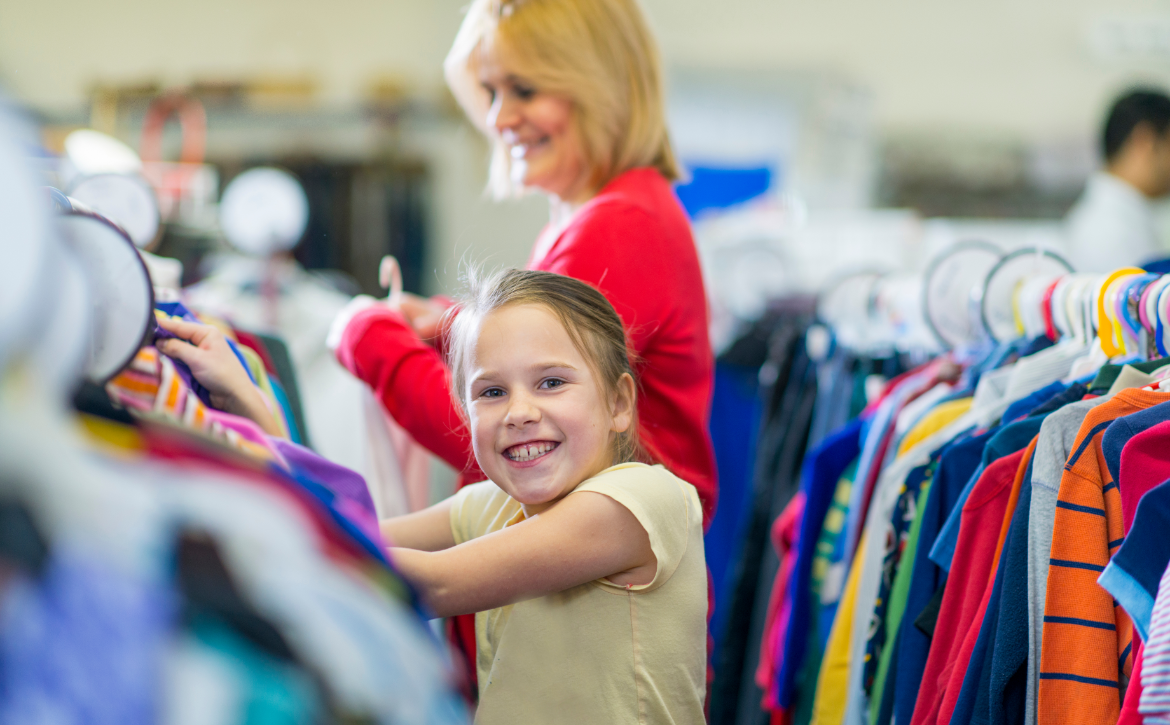
Anyone who has children definitely knows how quickly they can go through clothes – one minute something fits perfectly and looks so cute, and the next minute the sleeves are halfway up their arms and the pants are suddenly too short. It happens so fast that buying everything brand new can start to feel a little pointless, especially when some items are only worn a handful of times (if that) before they’re outgrown.
That’s one of the reasons thrifting has become so popular with parents. Thrifting for kids’ clothes isn’t just about saving money, although that’s obviously a big advantage, it’s also about being able to find practical pieces that can handle real life without worrying too much if they get muddy, painted on, or just completely worn out from play.
Of course, just going in blindly when it comes to thrift shopping isn’t ideal – there’s a certain way of making it a good experience, and once you get used to it, it’s going to be so much easier to find things that are definitely going to work. With that in mind, keep reading to find out more.
Start With The Right Stores
Not every thrift store is the same, and once you start looking around, you’ll start to notice that some places are a lot better for children’s clothes than others. For example, stores in neighborhoods where lots of families live tend to have a pretty constant turnover of kids’ items just because children grow so quickly, and that means the chances of finding good quality pieces are much higher.
If you’re serious about thrifting for kids’ clothes, it’s worth visiting a few different stores to see which ones regularly have good selections. Some shops restock on certain days, so you might find that going at the same time every week gives you first pick of the newest arrivals.
Basically, it’s a bit like treasure hunting, and after a while you get a feel for where the good finds usually pop up.
Check Quality Before Style
It’s really easy to get distracted by cute patterns or trendy designs, but durability always matters a lot more – kids are hard on their clothes, and that means items are going to need to survive playgrounds, spills, and endless washing cycles (or at least that’s how it tends to feel).
That’s why it’s best to look at the fabrics first. Heavier cottons, sturdy denim, and well-constructed seams are the things that usually last longer than thinner materials, and you’ll also want to check knees, cuffs, and elbows because they’re the first places wear shows up. If those areas are still looking good and strong, the items will probably hold up well.
When thinking about tips for thrifting kids’ clothes, this one tends to matter most – a simple, durable shirt is always more useful than something fashionable that falls apart after a few wears.
Think Ahead On Sizing
One of the advantages of thrift shopping is that prices are low enough to plan ahead, so if you spot something in a slightly larger size that looks perfect for the next season, it usually makes sense to grab it.
Children grow quickly, but they don’t grow to a specific schedule, and buying one or two sizes up on occasion can help you stay prepared without paying full retail prices because you need something in a hurry later on.
In fact, a lot of parents who regularly do thrifting for kids’ clothes keep a small storage box at home for the next few sizes, so when the growth spurt arrives, the next wardrobe is already waiting.
Look For Everyday Basics
Some of the best thrift store finds are the simplest things, like plain t-shirts, leggings, sweatshirts, and jeans, for example, because they’re the things that can be mixed and matched with pretty much anything else.
Yes, it can definitely be quite tempting to search for standout items, but the truth is that building a collection of reliable basics is usually a lot more helpful because they’re the clothes the kids are going to wear to school, play, and all kinds of other activities, so having a number of affordable options makes life easier.
A lot of tips for thrifting kids’ clothes focus on finding those dependable staples that can be worn time and again.
Don’t Be Afraid Of Minor Wear
Not everything needs to look brand new to be useful, and some small signs of wear are usually completely fine, especially if the price reflects it. A faint fade or a tiny mark might not even matter at all once the item becomes part of a regular play wardrobe.
The key is knowing the difference between harmless wear and damage that will quickly get worse – loose seams, large stains, or stretched-out fabric are usually better left behind, but light wear that doesn’t affect how comfortable the clothes are or how long they’ll last can still be a great find.
Part of successful thrifting for kid’s clothes is learning to spot pieces that still have plenty of life left in them.
Wash And Refresh Everything
Once you bring thrifted clothing home, a good wash really can make all the difference. Using gentle detergent and checking care labels is the first thing to do, as that’s going to help preserve the fabric and removes any lingering odors.
Some parents also like to re-dry items on low heat or give them a quick steam so they feel fresh and ready to wear. After that, most thrifted clothing blends right into the rest of the wardrobe without anyone noticing where it came from.
Accept That Not Every Trip Is Going To Be Successful
One thing worth remembering is that thrift stores are unpredictable, and some visits are going to turn up more than one great find, but others might mean you leave empty handed.
That’s totally normal, and people who enjoy thrifting for kid’s clothes usually see it as a long-term habit rather than a one-time shopping trip. Over time, any small discovery you make is going to add up and give you a practical wardrobe at a fraction of the usual cost.